How to Season and Cure Meats Before Open Pit Cooking for Maximum Flavor
You’re wasting flavor if you skip curing before open pit cooking. Use a dry brine-salt and spices rubbed on thick cuts like brisket or pork shoulder-to draw out moisture and pull flavors deep into the meat. This method beats wet brining, which often dilutes taste and hampers bark. Let it cure 12 to 72 hours in the fridge, then apply a balanced rub with pepper, smoked paprika, and a touch of sugar to boost sear and smoke adhesion. Rest the meat before the pit for even cooking and juicier results-what happens before the fire matters most.
Notable Insights
- Cure meats with salt-based dry brines to enhance flavor penetration and moisture retention during open pit cooking.
- Choose dry brining over wet brining to avoid waterlogged fibers and promote better smoke adhesion and bark formation.
- Apply a balanced rub with salt, pepper, sugar, and smoke-reactive spices to boost searing and flavor depth.
- Allow meats to cure 12–72 hours refrigerated, depending on thickness, for optimal tenderness and seasoning penetration.
- Match rub ingredients to wood type and rest seasoned meat before cooking for even flavor and texture.
Why Curing Is Key for Open Pit Flavor
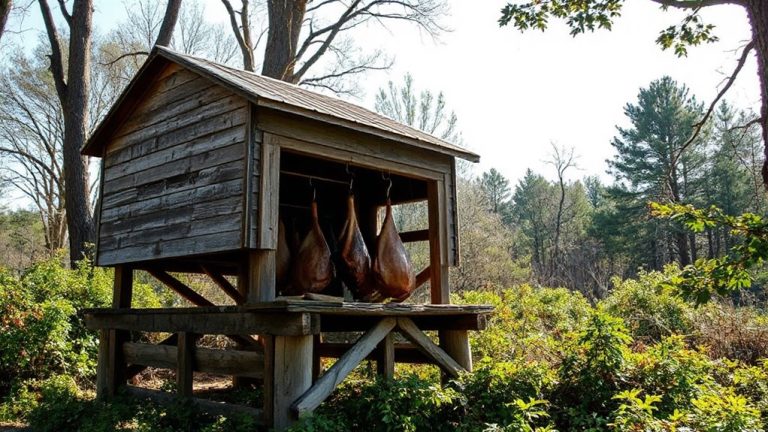
Flavor starts long before the fire-it begins with the cure. You’re not just preserving meat when you cure; you’re jumpstarting a transformation. The curing chemistry alters protein structure, allowing deeper flavor penetration and better moisture retention during long, slow open pit cooking. Salt, nitrites, and sometimes sugar work together to stabilize the meat while enhancing its taste from within. Without this step, surface seasoning barely scratches the surface-literally. You’ll lose complexity and texture, especially with thick cuts like brisket or pork shoulder. Curing guarantees flavor travels beyond the crust, aligning each bite with richness. It’s not about masking taste; it’s about building layers. When smoke meets cured meat, the results are more cohesive, robust. You’ll notice it in the tenderness, the juiciness, the way spice and smoke linger. For serious open pit flavor, curing isn’t optional-it’s essential.
Pick the Right Cure: Dry vs. Wet Brine
You’ve seen how curing shapes the foundation of flavor and texture in open pit cooking, setting the stage for smoke and heat to do their work. Now it’s time to pick your method: dry brine or wet brine. A dry brine-just salt and spices rubbed on the meat-delivers superior salt balance and deeper spice penetration since it draws out moisture, then pulls flavors back in. It also yields crispier bark, essential for open pit searing. Wet brining submerges meat in liquid, which can waterlog fibers, diluting taste and hindering smoke adhesion. While it’s forgiving on timing, it often sacrifices depth. For most cuts, especially pork shoulder or ribs, dry brining gives more control, better texture, and intensified seasoning. Unless you’re working with very lean meat that needs extra moisture, dry is the pro choice-efficient, reliable, and ideal for long, slow cooks where flavor concentration matters most.
Make a Rub That Boosts Smoke and Sear
A well-balanced rub isn’t just seasoning-it’s a catalyst for crust and smoke synergy. You want a mix that promotes Maillard browning while enhancing smoke adhesion, not overpowering it. Start with coarse salt and black pepper as your base-they form a solid foundation for sear and flavor penetration. Add smoked paprika or garlic powder to deepen the profile and react well with heat. Sugar in moderation helps with caramelization, but go easy unless you’re aiming for sweetness over char. Your wood selection dictates what compounds bind to the meat, so match your rub to the smoke: hickory or oak pairs well with bold spices, while fruitwoods shine with lighter blends. Don’t overlook smoker maintenance-clean grates and consistent airflow guarantee even searing and prevent bitter flare-ups that ruin crust development. For inspiration on proven flavor combinations, check out top-rated blends like those in the best steak rubs for BBQ.
How Long to Cure for Juicy, Tender Meat
Once the rub is applied and the fire is set, attention shifts to the curing stage, where time becomes just as important as seasoning. You’ll want to cure your meat between 12 and 72 hours, depending on thickness and cut. This window allows the salt and spices to penetrate deeply while enhancing moisture retention, ensuring juiciness during the open pit cook. Keep the curing temperature steady-ideally between 34°F and 40°F-to prevent bacterial growth and maintain texture. Too cold, and the process stalls; too warm, and you risk spoilage. Thicker cuts like whole packs benefit from longer curing, letting flavors develop and structural integrity improve. Remember, proper curing isn’t just about flavor-it’s a precision step that impacts tenderness and bite. Done right, it transforms raw protein into succulent, smoke-ready meat that holds up under intense, prolonged heat. For turkey, using a brine kit for turkey can simplify the process and ensure consistent moisture and flavor.
Season Brisket, Ribs, and Pork Shoulder Right
| Cut | Method | Key Benefit |
|---|---|---|
| Brisket | Injection + Rub | Deep flavor, consistent juiciness |
| Ribs | Marination + Rub | Tender texture, complex notes |
| Pork Shoulder | Heavy Rub + Rest | Spices penetrate, bark develops |
A well-chosen dry rub can significantly enhance the flavor profile of beef roasts, and selecting one with balanced spice blends for beef ensures optimal taste and crust formation.
Let Meat Rest Before the Pit
You’ve seasoned with precision-whether injecting brisket for depth, marinating ribs for nuance, or packing pork shoulder with a heavy rub to build bark-and now patience becomes your next tool. Letting meat rest before the pit isn’t passive; it’s an active shift in preparation. As flavors meld and surface moisture reabsorbs, the resting duration allows seasoning to penetrate slightly while stabilizing meat temperature. Cold spots even out, promoting more uniform cooking once it hits the heat. For best results, rest for at least 30 minutes at room temperature, especially with larger cuts like brisket or pork shoulder. This short window reduces thermal shock when placed over open flame, minimizing the risk of uneven searing or prolonged cook times. Though it may seem like delay, this step improves bark formation and internal texture. Trust the process-proper resting duration enhances control, flavor integration, and final doneness, making it a non-negotiable habit for serious open pit cooking.
On a final note
You’ve got the tools to build bold, smoky flavor the right way. Proper curing locks in moisture and deepens taste, whether you choose a dry rub or wet brine. A well-crafted rub promotes a crisp bark and enhances smoke retention. Timing matters-under-cure and you lose depth; over-cure and texture suffers. Resting guarantees juiciness. Master these steps, and your brisket, ribs, or pork shoulder won’t just cook-they’ll impress.