Blending Maple and Pecan Charcoals for Balanced Flavor in Whole Turkey Smoking
You’ll get the best flavor by blending maple and pecan charcoals in a 60/40 ratio-maple brings a light sweetness, while pecan adds rich, nutty depth without overwhelming the turkey. Use high-quality, dense chunks for clean, even burns and avoid off-flavors from low-grade briquettes. Maintain 225–250°F with good airflow to prevent bitter smoke. Pair this with proper brining and temp control, and you’ll achieve moist, flavorful meat with a balanced smoky finish that improves with every step of the process.
Notable Insights
- Use a 60/40 blend of maple to pecan charcoal for balanced sweetness and nutty depth without overpowering the turkey.
- Choose high-quality, dense hardwood chunks to ensure clean, even burns and minimal ash production.
- Avoid low-quality briquettes or wet wood, which can create bitter smoke and off-flavors in the meat.
- Maintain a steady 225–250°F in the smoker for optimal smoke penetration and tender, moist results.
- Promote clean combustion by managing airflow with vents to prevent creosote and ensure flavorful, blue smoke.
Choose the Right Maple and Pecan Charcoal Blend
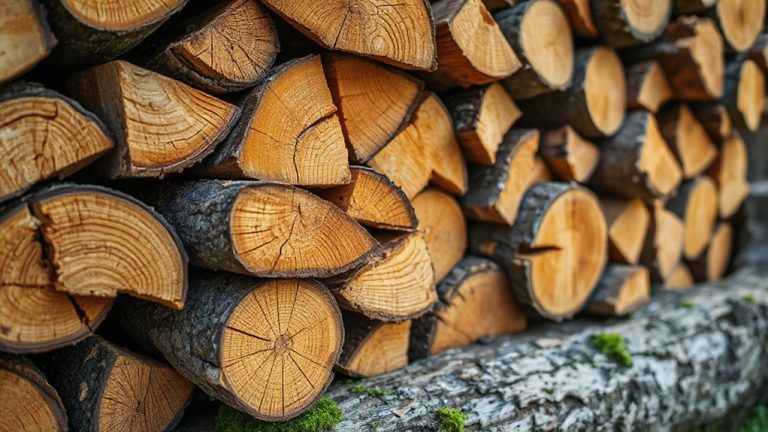
A well-balanced blend of maple and pecan charcoal can make all the difference when smoking a turkey, and choosing the right one means weighing smoke intensity, burn time, and flavor harmony. You’ll want to prioritize charcoal quality-look for dense, uniformly sized chunks that ignite evenly and produce minimal ash. Lower-quality briquettes can introduce off-flavors or inconsistent heat. The blend ratio matters just as much; a 60/40 split favoring maple delivers a milder, subtly sweet smoke, while leaning heavier on pecan intensifies the nutty richness, which might overwhelm delicate poultry. For most turkeys, a 50/50 or 60/40 maple-to-pecan ratio strikes the ideal balance, providing enough depth without masking the bird’s natural flavor. You’re not just burning fuel-you’re shaping the smoke profile. Consistent coals mean stable temps and even flavor development, so invest in reputable hardwood sources and test small batches to find your preferred mix. For best results, choose a high-quality top pick charcoal that ensures clean, long-lasting burns with optimal smoke output.
Set Up Your Smoker for Even Cooking
Now that you’ve selected a balanced maple and pecan charcoal blend, it’s time to get your smoker ready for consistent, even cooking. Proper smoker placement matters-set it on a level, non-flammable surface away from wind and overhanging branches to maintain steady temps. Positioning it too close to a wall or deck could restrict airflow and create hot spots. For ideal heat distribution, arrange your charcoal in a two-zone setup: pile coals on one side, leaving the other free for indirect cooking. This allows the turkey to cook evenly without scorching. Use a reliable drip pan under the grates to catch fat and minimize flare-ups. Calibrate your smoker’s vents to regulate oxygen flow-this directly impacts internal temperature stability. A well-balanced smoker maintains a 225–250°F range, essential for tender, evenly smoked meat. Monitor the exhaust stack and intake vents throughout; small adjustments prevent drastic swings. Choosing the right smoker model can enhance this process, so consider checking out top-rated options in our guide to the best smokers for every grilling enthusiast.
Brine and Season Your Turkey for Smoked Flavor
If you want your smoked turkey to deliver rich flavor and stay juicy from skin to bone, then brining isn’t just a step-it’s essential. A well-prepared brine enhances moisture retention and deepens taste, especially when using bold woods like maple and pecan. Aim for a brine duration of 12 to 24 hours; less than that won’t penetrate fully, and longer increases salt saturation, risking texture. Keep the turkey refrigerated and fully submerged. After brining, pat it dry and move to seasoning. A balanced rub supports, not overwhelms-think garlic, onion, paprika, and a touch of brown sugar to complement the wood’s sweetness. Prioritize spice balance so no single note dominates. This guarantees the smoky richness from the charcoal blends seamlessly with the bird’s natural flavor. Proper brining and thoughtful seasoning set the foundation for a turkey that’s flavorful, moist, and perfectly seasoned all the way through. For convenient and consistent results, consider using one of the best turkey brine kits on the market.
Smoke Your Turkey at the Right Temperature and Time
Once your turkey’s been properly brined and seasoned, the real magic begins in the smoker, where temperature control and timing determine whether you end up with succulent, smoky perfection or dry, overcooked disappointment. You’ll want to maintain a steady 225°F to 250°F-this narrow range allows for even cooking and ideal smoke absorption without drying out the meat. Aim for about 30–40 minutes per pound, but always rely on internal temperature rather than the clock. Keep smoke intensity moderate; too much early on can overwhelm the delicate balance of maple and pecan. Thin, blue smoke is ideal-thick, white smoke means poor combustion and potential bitterness. Good temperature control prevents these issues while ensuring consistent heat distribution. Using a reliable thermometer helps you stay on track, letting you focus on flavor development instead of guesswork. Patience here pays off big in both texture and taste.
Fix Common Smoking Problems Like Dry Meat and Bitter Smoke
A well-smoked turkey should be moist, richly flavored, and delicately kissed by smoke-not dried out or tainted with bitterness. If you’re dealing with dry meat, you’re likely cooking too hot or too fast. Keep your smoker steady at 225–250°F, and use a water pan to maintain humidity. Brining the turkey beforehand also helps retain juices. As for bitter smoke, it usually comes from incomplete combustion-thick, white smoke coating the meat instead of thin, blue wisps. That creosote buildup leads to unpleasant, acrid flavors. To avoid it, make certain your fire has enough oxygen and your charcoal is clean-burning. Don’t use green or wet wood; stick to properly seasoned chunks. Proper airflow and clean fuel mean you’ll sidestep bitter smoke and enjoy a smooth, balanced taste every time.
Why Maple and Pecan Make the Best Combo for Turkey
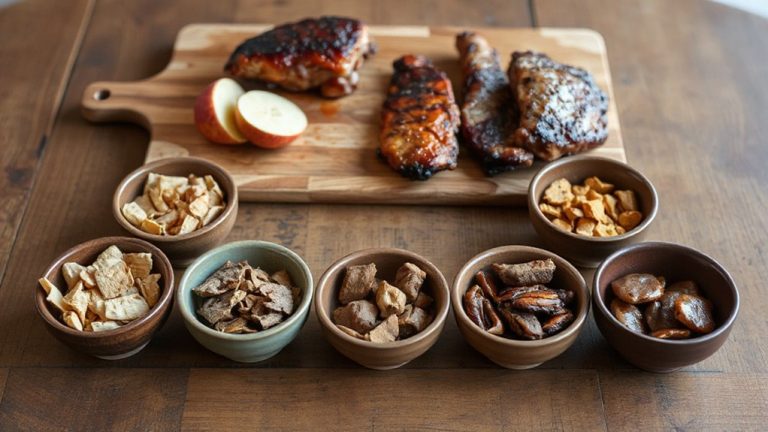
Maple and pecan woods stand out as a dynamic duo when smoking turkey, offering a flavor profile that’s both sweet and nutty without overwhelming the bird’s natural taste. You get just enough smoke intensity to enhance, not mask, the meat-maple brings a gentle, almost caramelized sweetness, while pecan adds a rich, buttery depth. Together, they create a wood synergy that balances flavor and burn rate, ensuring consistent heat and clean smoke throughout the cook. Unlike stronger woods like hickory or mesquite, this combo won’t turn bitter, even over long sessions. You’ll notice the turkey absorbs just the right amount of smokiness, yielding moist, flavorful meat with a golden, aromatic crust. It’s ideal for holiday feasts or weekend BBQs where presentation and taste matter. For consistent results and nuanced flavor, this pairing simply outperforms most alternatives in both control and character.
On a final note
You’ve chosen maple and pecan charcoal for good reason-they deliver a balanced, mildly sweet smoke that complements turkey without overpowering it. When burned evenly in a well-set-up smoker, this blend enhances moisture retention and flavor depth. Proper brining and temperature control prevent dryness, while attentive airflow management avoids bitter notes. In practice, this combo consistently outperforms stronger woods, making it a smart, reliable choice for flavorful, tender smoked turkey.