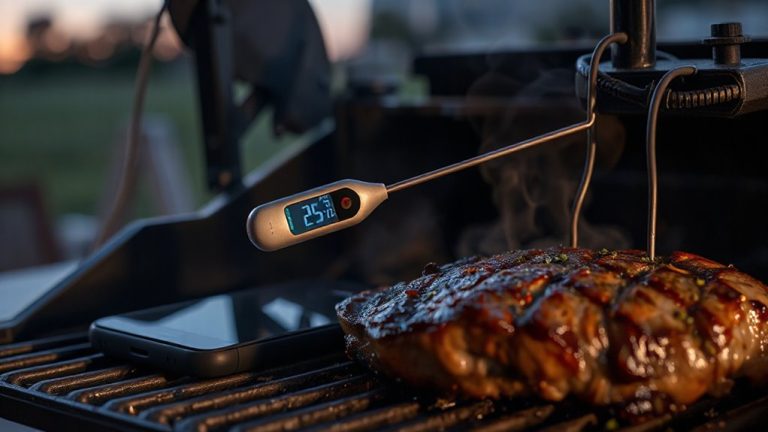
Grilling Octopus Over Olive Wood: 375-400°F Tapas Method
Choose fresh *Octopus vulgaris*, preferably wild-caught and sustainably trapped, to preserve texture and flavor. Brine it for at least four hours to firm the flesh, then pat dry and season with smoked paprika, garlic, and a touch of cumin. Build a steady fire using well-seasoned olive wood-its low moisture content guarantees clean, aromatic heat between 375–400°F. Grill directly over glowing embers for a crisp, smoky sear that seals in juices. Finish with extra virgin olive oil, fresh lemon juice, zest, and herbs. You’ll find the full technique unfolds even better with the right timing and wood management.
Notable Insights
- Select fresh *Octopus vulgaris* with bright eyes and taut skin for optimal texture and flavor.
- Brine the octopus in chilled salt water for at least 4 hours to firm flesh and enhance taste.
- Use well-seasoned dry olive wood with under 20% moisture for clean, aromatic grilling heat.
- Grill octopus directly over glowing olive wood embers to achieve smoky char and tender interior.
- Finish with olive oil, lemon juice, zest, and herbs, serving on ceramic with tapas accompaniments.
Pick the Freshest Mediterranean Octopus
While you might be tempted to grab the first octopus you spot at the fishmonger, choosing the freshest Mediterranean octopus makes all the difference when grilling-it’s not just about taste, but texture and how well it responds to heat. You’ll want to look for common octopus species like *Octopus vulgaris*, known for its firm, flavorful meat ideal for high-heat cooking. Freshness shows in bright, clear eyes and taut, shiny skin that springs back when touched. The fishing methods matter, too-wild-caught octopus, especially from sustainable trap or pot fishing, tends to have better texture than trawl-caught, which can bruise the flesh. These delicate methods preserve the integrity of the meat, ensuring it holds up on the grill without falling apart. Avoid frozen imports if you can; fresh, locally sourced Mediterranean octopus grilled over dry olive wood delivers a cleaner, smokier flavor that elevates your artisan tapas every time.
Tenderize for Perfect Texture
You’ve picked a fresh Mediterranean octopus with clear eyes and springy skin, so now it’s time to prepare it for the grill by breaking down its naturally tough fibers. Start by submerging it in a chilled salt brine-this draws out excess moisture while gently firming the flesh, enhancing both texture and flavor retention. Let it steep for at least 4 hours; the mild salinity improves tenderness without overpowering the delicate meat. After brining, pat the octopus dry and apply a balanced spice rub-think smoked paprika, garlic powder, and a hint of cumin-to build depth. The rub adheres better post-brine and forms a subtle crust when grilled. Though some swear by freezing or pounding, brining offers more consistent results with less risk of over-tenderizing. This method prepares the octopus for even searing, ensuring it remains succulent at the core while developing complexity on the surface-ideal for high-heat olive wood grilling.
Build a Steady Olive Wood Fire
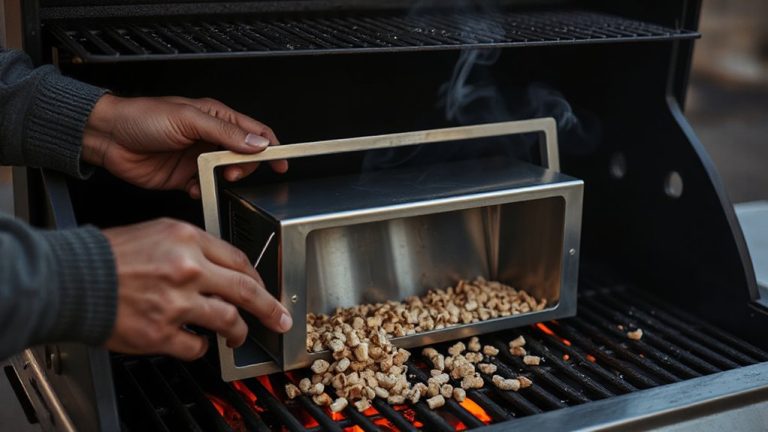
Since the quality of your grill fire directly impacts flavor and texture, choosing olive wood isn’t just traditional-it’s strategic, delivering a robust yet balanced smoke that complements delicate seafood without overwhelming it. Your wood selection should prioritize well-seasoned, dry olive wood-moisture content under 20% guarantees cleaner burns and steady heat. Fresh-cut or damp wood creates erratic flames and bitter smoke, undermining both taste and fire maintenance. Start with a lean teepee of kindling and hardwood chunks, letting the fire build gradually to avoid sooty flare-ups. Once embers form, maintain consistency by adding fist-sized pieces every 15–20 minutes-this rhythm sustains 375–400°F, ideal for grilling. Avoid overcrowding the coals; spacing allows oxygen flow and even combustion. Proper fire maintenance isn’t just about heat control-it preserves the aromatic integrity of the olive wood, guaranteeing every bite carries that distinctively earthy, subtly fruity depth you’re after. For best results, pair your olive wood with other best smoking wood options when layering flavors for complex dishes.
Grill Octopus for Smoky Char
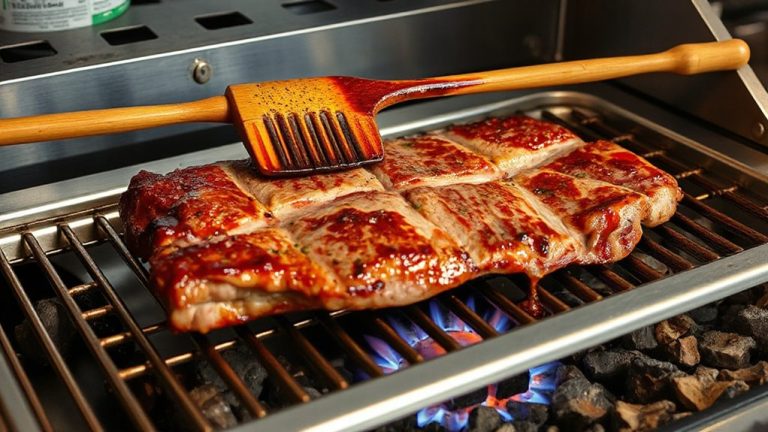
A well-prepared fire sets the stage, but now it’s time to place the octopus directly over the glowing olive wood embers, where the real transformation happens. You’ll notice the tentacles sizzle immediately, searing to lock in moisture while developing a deep, smoky char. Olive wood burns hotter and longer than standard charcoal, delivering a subtle, aromatic intensity that enhances the octopus’s natural marine flavor without overpowering it. As flames lick the surface, the skin crisps and blisters, creating textural contrast between the tender interior and the slightly crunchy exterior. You’re not just cooking-you’re layering flavor: the clean burn of hardwood coals infuses each bite with a refined charcoal aroma, distinct from gas or electric grills. Proper placement over radiant heat guarantees even charring, turning a simple seafood dish into something distinctly artisanal. For those exploring other premium woods, best smoke wood for chicken offers insight into top hardwood choices that deliver clean, robust flavor.
Finish With Lemon and Olive Oil
Though the grill work sets the foundation, it’s the final touch of lemon and olive oil that elevates the dish from simply charred seafood to a balanced Mediterranean expression. You’ll want to drizzle generous amounts of high-quality extra virgin olive oil over the warm octopus-its richness rounds out the smoky intensity from the dry olive wood. Then, add a sharp squeeze of fresh lemon juice just before serving; the acidity cuts through the oil and enhances the natural sweetness of the seafood. For depth, sprinkle finely grated lemon zest, which carries more aromatic oils than the juice alone and intensifies the citrus profile. Finish with a thoughtful herb garnish-flat-leaf parsley or oregano works best-adding a subtle bitterness and freshness that unifies the flavors. This final layer isn’t just decorative; it’s essential to achieving an authentic, well-rounded tapas-style dish that balances texture, smoke, and brightness with precision and care.
Serve Like a Spanish Tapas Bar
You’ve grilled the octopus to smoky perfection and finished it with a bright kiss of lemon and rich olive oil-now it’s time to bring the dish home the way they do in seaside tavernas across southern Spain. For authentic tapas plating, slice the tentacles thickly and arrange them casually on a shallow ceramic plate-overcrowding adds to the rustic charm. Scatter flaky sea salt and smoked pimentón over the top, then nestle in a few warm potatoes or charred padrón peppers. Serve immediately while the aroma lingers. The key to proper Spanish pairing lies in balance: a chilled Albariño or crisp Manzanilla sherry cuts through the octopus’s richness. These wines elevate both flavor and experience. Unlike formal dining, tapas is communal and spontaneous. This style of serving highlights the craftsmanship of outdoor cooking, where heat control and ingredient quality define success. It’s not just food-it’s tradition served from flame to table.
On a final note
You’ve grilled Mediterranean octopus over dry olive wood, and the results speak for themselves-smoky, tender, and deeply flavorful. This method delivers superior charring and aroma, thanks to olive wood’s high heat and low moisture. Proper prep and steady fire management are key. For artisan tapas nights, this technique elevates simple ingredients with authenticity and finesse, blending tradition with precise execution, making it a reliable favorite for discerning outdoor cooks.