Adjusting Cooking Times for Different Meats on a Hibachi Grill
You’ll get the best results by matching each meat to the right heat zone and timing. Sear steaks over high heat, then move thicker cuts to indirect heat, resting 5–10 minutes. Keep chicken at medium heat, flipping once, and never press it-rest after cooking. Pork chops need a good sear, then indirect heat to hit 145°F. Seafood cooks fast-shrimp and scallops take just minutes. With the right zones and timing, every dish comes out perfectly. There’s more to mastering each protein where technique meets heat.
Notable Insights
- Sear thick steaks over high heat, then adjust cooking time based on thickness and desired doneness.
- Marinate chicken 30 minutes to 4 hours; cook over medium heat to 165°F for juiciness.
- For pork chops, sear 3–6 minutes per side depending on thickness, then rest 5–7 minutes.
- Grill shrimp 2–3 minutes per side and fish 4–5 minutes per side, adjusting for thickness.
- Use heat zones to control cooking: sear over high heat, finish over indirect heat as needed.
Grill Steak to Tender Perfection
While you can throw a steak on the grill and hope for the best, getting it truly tender means paying attention to thickness, heat level, and timing. Thicker cuts need high heat to sear the outside while keeping the center juicy, but avoid charring-moderate flames work better for even doneness. Marinating for 4 to 12 hours improves flavor and tenderness, though going beyond 24 hours can turn the texture mushy, especially with acidic ingredients. Marinate timing matters: leaner steaks like sirloin benefit from longer exposure, while fattier cuts like ribeye need less. Once off the hibachi, let the steak sit. That resting period-about 5 to 10 minutes-lets juices redistribute, so each bite stays moist. Skipping it causes moisture loss the moment you slice. Control these variables, and you’re not just grilling-you’re refining the process.
Keep Chicken Juicy on the Hibachi
Grilling chicken on a hibachi requires a different approach than steak, mainly because poultry is leaner and less forgiving when it comes to heat and timing. You’ll want to pay close attention to marinade duration-aim for at least 30 minutes, but no more than 4 hours with acidic ingredients to avoid breaking down the meat too much. This step boosts flavor and helps retain moisture during grilling. Cook over medium heat, flipping once, until the internal temperature hits 165°F. Avoid pressing down on the chicken, as that forces juices out. Once done, don’t cut right away-let it sit. A proper resting period of 5 to 10 minutes allows juices to redistribute, ensuring each bite stays moist. Skipping this step leads to dry, stringy results. With precise heat control and attention to marinade duration and resting period, your hibachi chicken turns out flavorful, tender, and reliably juicy every time.
Cook Pork Chops and Medallions Right
A well-seared pork chop or medallion can deliver rich flavor and tender texture when cooked right on a hibachi, but getting it perfect means balancing heat, timing, and meat thickness. Use marinating techniques with acidic bases like citrus or vinegar to tenderize and deepen flavor. Always consider pork doneness-145°F internal temperature guarantees juiciness without overcooking. Sear over high heat first, then shift to indirect heat to finish evenly. Choosing the right equipment, such as a versatile best smoker, can enhance your overall grilling experience and flavor control.
| Thickness | Direct Heat (min) | Rest Time |
|---|---|---|
| 1 inch | 3–4 per side | 5 min |
| 1.5 inch | 5–6 per side | 7 min |
| Medallions | 2–3 per side | 5 min |
Rotate occasionally for even grill marks. Let meat rest before serving-this preserves juices and improves overall texture. With proper marinating techniques and attention to pork doneness, your hibachi pork turns out flavorful, safe, and consistently satisfying.
How Long to Grill Shrimp, Scallops, and Fish?
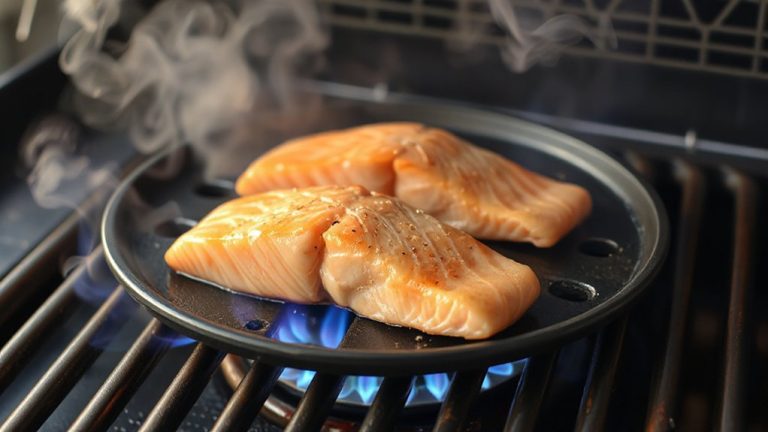
You’ve just mastered the timing for pork chops and medallions, balancing sear and rest to achieve that ideal hibachi result-now turn that same precision toward seafood, which demands even sharper attention due to its delicate structure and rapid cook time. Shrimp cooks in just 2–3 minutes per side, scallops about 3–4, and fish fillets 4–5, depending on thickness. Overcooking leads to toughness, so precise timing is essential. Effective marinating techniques, like brief citrus or soy-based soaks, enhance flavor without breaking down proteins. When using skewer options, metal works best for even heat transfer, while soaked wooden ones prevent burning-especially helpful when grilling shrimp or scallops. Arrange pieces uniformly to guarantee consistent cooking. Unlike heartier meats, seafood offers little margin for error, making preparation and equipment choices critical. Success hinges on technique, timing, and thoughtful use of tools.
Control Hibachi Heat Zones Like a Pro
When managing the intense heat of a hibachi grill, creating distinct zones-searing hot, moderate, and cool-gives you real control over how your food cooks, instead of leaving it to chance. You can manage heat distribution effectively by adjusting coal placement: pile them high for searing, spread thinly for moderate heat, and leave areas empty for cooling. Airflow management is just as vital; tweak the vents to regulate oxygen flow and sustain consistent temperatures. Without proper airflow, you’ll struggle to maintain zones or respond to flare-ups. A well-balanced setup guarantees delicate meats like fish don’t dry out while tougher cuts finish evenly. Pro cooks rely on this method because it’s predictable and adaptable. You’re not just grilling-you’re orchestrating heat with precision. Mastering these zones means fewer mistakes and better results every time.
Sear Tofu and Veggies for Maximum Flavor
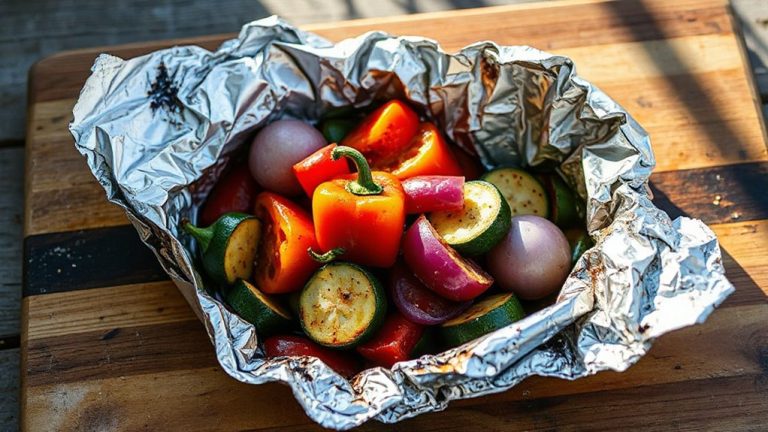
Though searing might seem best suited for meats, it’s equally transformative for tofu and vegetables on a hibachi grill, where high heat and precise control lock in flavor fast. You’ll want to press and dry tofu first-it crisps better that way. A solid marinade options like soy-ginger, teriyaki, or smoky miso boosts depth before searing. For veggies, go with firm types: bell peppers, zucchini, and mushrooms hold up under direct heat. Apply high-heat stir fry techniques-keep ingredients moving in quick, controlled sweeps using a metal spatula. Don’t overcrowd; space guarantees caramelization, not steam. The grill’s flat surface reacts quickly, so adjust your position over the heat zones mid-cook. You’ll notice sharper browning and richer umami when searing right after marinating. This method outperforms baking or steaming for texture and taste. With practice, you’ll master timing and pressure, turning simple plant-based ingredients into standout hibachi highlights.
On a final note
You’ve got the timing down, and now your meats cook just right every time. Grilling isn’t just about heat-it’s control. With proper heat zones and attention to thickness and doneness, your hibachi delivers consistent results. Chicken stays juicy, steak gets that perfect sear, and delicate seafood avoids overcooking. Master these fundamentals, and you’ll maximize flavor, texture, and safety. Outdoor cooking becomes efficient, predictable, and rewarding when technique guides the fire.