Balancing Hickory Smoke With Brown Sugar and Mustard in St. Louis-Style Ribs
You balance hickory smoke in St. Louis-style ribs by using thin blue smoke at 225°F–250°F, avoiding bitter white smoke. Brown sugar enriches the bark through controlled caramelization, while fresh mustard cuts richness, binds the rub, and promotes even browning. Together, they create depth and texture when applied with precise timing-especially during the final glaze. Get the ratios and sequence right, and you’ll see how small adjustments elevate the entire cook.
Notable Insights
- Use thin blue smoke and maintain 225°F–250°F to prevent hickory from overwhelming the sweet and tangy notes.
- Apply a brown sugar-based rub to enhance bark formation while avoiding scorching with controlled, low heat.
- Spread a thin layer of mustard first to bind the rub and balance hickory’s boldness with tangy depth.
- Limit smoke time to 4–5 hours, ceasing major wood additions after 90 minutes to reduce bitterness.
- Glaze ribs in the final 15–20 minutes to caramelize brown sugar without burning, sealing in moisture and shine.
What Makes St. Louis Ribs Taste So Good?
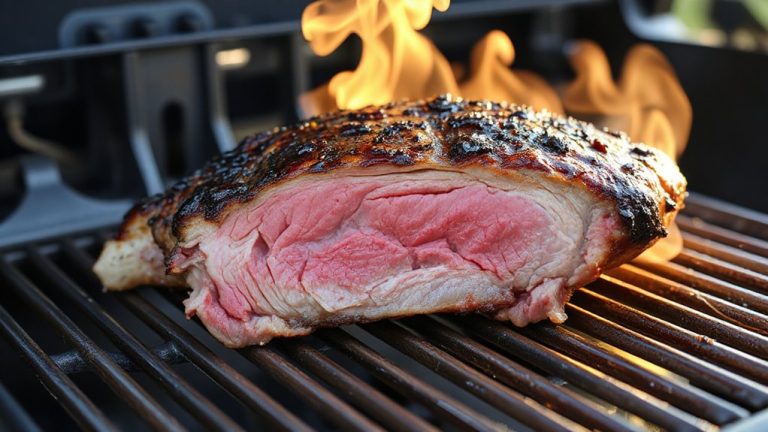
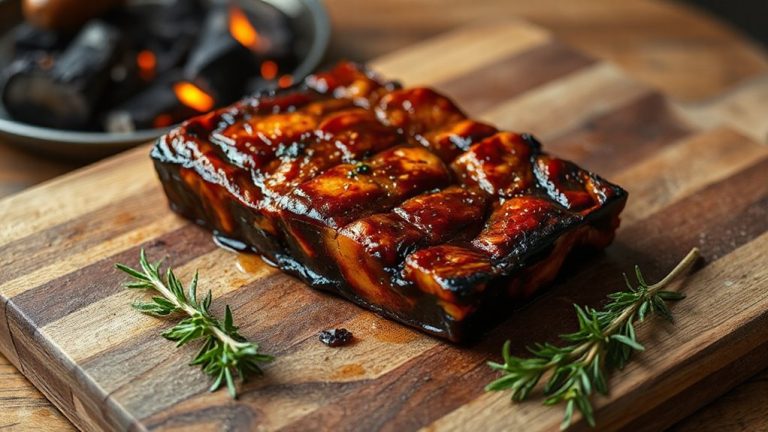
While the cut itself plays a major role, it’s the combination of fat distribution, bone structure, and smoke penetration that truly defines the flavor of St. Louis ribs. You’ll notice how the even fat cap renders slowly, basting the meat from within and promoting a consistent, tender texture. The rectangular shape isn’t just for looks-it guarantees uniform heat exposure, essential when building a deep, caramelized crust. Unlike spareribs, these are trimmed to remove cartilage, giving you more bite and less chew. When grilled or smoked correctly, the meat pulls back just enough to expose the bone ends, a visual cue of proper doneness. The plate bone adds structural integrity, slowing cook time slightly but enhancing juiciness. You’re not just tasting smoke or seasoning-you’re experiencing balance. That crisp exterior paired with fall-off-the-fork tenderness is no accident. It’s precision cooking, where every variable contributes to that unmistakable, craveable result. For optimal smoke flavor, pairing the right best wood chips for smoking with your rub ingredients like brown sugar and mustard enhances the overall depth and richness of the ribs.
How to Nail Hickory Smoke Without Overdoing It
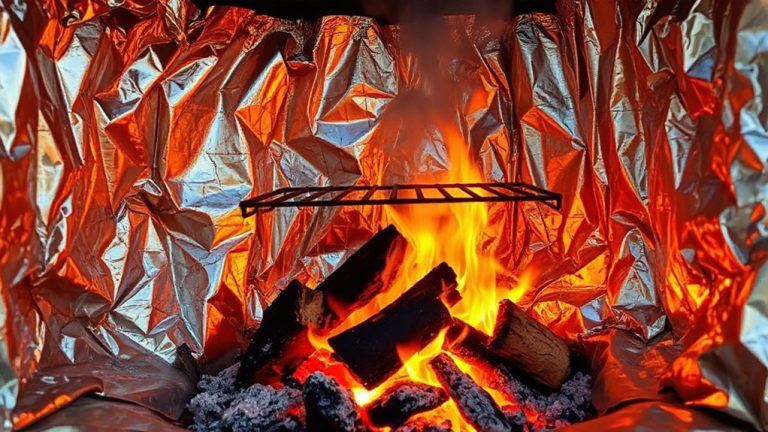
Since hickory delivers a bold, unmistakable flavor, getting the amount and duration just right can make or break your St. Louis-style ribs. You want clean smoke, not thick billows-those bring bitterness. Control smoke intensity by maintaining a stable fire between 225°F and 250°F; too hot, and you’ll overpower the meat. Use chunks or chips sparingly, adding more only if needed after the first 90 minutes. Fresh wood matters-check for splits that reveal moist, earthy-smelling inner surfaces; old or dry hickory burns too fast and dims in flavor. Aim for a thin blue smoke, not white plumes, signaling proper combustion. Let the smoke do the work over 4 to 5 hours, but don’t overcommit-hickory dominates when unchecked. With good airflow and attention to wood freshness, you’ll achieve depth without harshness, letting the ribs shine. For consistent results, choose a smoker known for steady temperature control and even smoke distribution, such as those featured in the best smokers for exceptional BBQ flavor.
Brown Sugar: Sweetness That Builds Flavor, Not Burn
Brown sugar isn’t just a sweetener-it’s a flavor architect in your rub, building depth and promoting a rich, mahogany crust without tipping into cloying or burning. You get sweetness, yes, but more importantly, it aids caramelization control, reacting with proteins and smoke to form a complex bark. Because it contains molasses, brown sugar starts browning earlier than white sugar, so heat management is key-keep your grill steady around 225°F to avoid scorching. Too high, and that sugar turns bitter; too low, and you’ll miss that glossy finish. When balanced right, it enhances hickory’s bite without masking it. You’re not just sweetening-you’re engineering texture and color. It draws moisture to the surface, then cooks off slowly, helping the rub cling and deepen. Use it deliberately, not generously, and you’ll find brown sugar doesn’t dominate-it elevates, rounding out heat and smoke into something greater.
Why Mustard Is the Secret Weapon in St. Louis Ribs
You’ve already seen how brown sugar shapes the crust and deepens flavor in your rub, but there’s another, quieter player that does even more behind the scenes: mustard. You’re not slathering it on for tang alone-though that tangy balance cuts through hickory’s heaviness perfectly. Instead, a thin coat acts as a binder, helping your rub cling through hours of smoke. As it cooks, the sharpness mellows, leaving behind a subtle acidity that enhances flavor depth without shouting. Mustard doesn’t overpower; it enables. It supports the brown sugar’s sweetness and the smoke’s intensity, bridging gaps between spice and char. Experienced pitmasters swear by it not for novelty, but function-consistent adhesion, even browning, and a complexity that builds quietly. It’s not the star, but the foundation. Skip it, and your ribs might stick, burn, or taste flat. Use it right, and your St. Louis-style gains harmony, moisture, and that essential tangy balance. For the best results, consider using a Dijon-style mustard known for its smooth texture and balanced tang, which enhances adhesion and flavor integration.
When to Glaze for Maximum Flavor Impact
Though smoke builds character over hours, the glaze delivers its impact in a narrow window, turning sweet, sticky potential into caramelized brilliance only when timed precisely. Your glaze timing determines whether flavors sit on the surface or achieve true flavor penetration. Apply too early, and the sugars burn; too late, and the glaze won’t set. For St. Louis-style ribs, the final 15–20 minutes are ideal-enough heat to caramelize without scorching. A well-timed glaze seals in moisture while adding a glossy, flavorful crust.
| Stage | Glaze Timing | Result |
|---|---|---|
| Early (60+ min before done) | Burns sugar, bitter notes | Poor flavor penetration |
| Mid (30 min before done) | Partial set, some charring | Moderate flavor penetration |
| Final (15–20 min before done) | Peak caramelization | Maximum flavor penetration |
On a final note
You’ve got the essentials: hickory smoke adds depth without overwhelming if regulated through controlled burn temps. Brown sugar carmelizes clean when applied late, boosting richness instead of burning. Mustard’s tang cuts through fat, tenderizing while enhancing adhesion and flavor layering. Glaze in the final 15 minutes for shine and stick without scorch. Together, they strike balance-savory, sweet, smoky, sharp-defining St. Louis ribs at their best: precise, intentional, and deeply satisfying when technique meets quality heat management.