Cooking Stuffed Onions in an Open Pit With Herbs and Ground Meat
Choose large, round Spanish or Vidalia onions-they hold up better in the pit than smaller types. Hollow them evenly, leaving ½-inch walls for structure. Fill with a mix of ground beef and pork seasoned with smoked paprika, garlic, and fresh herbs like thyme and parsley. Wrap tightly in foil to trap steam and protect from ash. Cook in gray-edged coals for 45 to 60 minutes. You’ll get tender, smoky onions with rich, savory filling-ideal for outdoor feasts where flavor and consistency matter. Good technique makes all the difference, and there’s more to mastering the method.
Notable Insights
- Choose large, globe-shaped onions like Spanish or Vidalia for better structure during pit cooking.
- Hollow onions evenly, leaving ½-inch thick walls to ensure structural integrity and even heat distribution.
- Mix ground beef and pork with sautéed onions, garlic, and herbs like thyme, parsley, and rosemary for flavorful filling.
- Wrap stuffed onions tightly in heavy-duty foil to seal in juices and protect from direct ash in the pit.
- Cook foil-wrapped onions in gray-edged embers for 45–60 minutes, using hardwoods like oak or hickory for smoke flavor.
Choose the Right Onions for Stuffed Pit Cooking
Size matters when you’re picking onions for pit cooking, and you’ll want to go with large, round varieties that hold their shape under prolonged heat. Your best bet is selecting robust onion varieties like Spanish or Vidalia-both offer the structural integrity needed for slow, indirect heat. Smaller types tend to collapse or char too quickly, making them poor choices for stuffing and cooking over coals. With proper size selection, you guarantee even cooking and enough cavity space for fillings. Large onions not only withstand hours in a pit but caramelize slightly, enhancing flavor without disintegrating. Globe-shaped specimens work best because their layers nest tightly, reducing the risk of breakage during handling. You’ll notice these varieties maintain moisture and form better than slender or irregular ones. When pit-cooking, consistency in shape and weight across your onion batch prevents uneven results. So prioritize uniformity in both onion varieties and size selection-they’re your foundation for success.
Prep and Hollow the Onions Properly
Now that you’ve picked the right onions-large, sturdy varieties like Spanish or Vidalia that can handle the long, slow heat of a pit-it’s time to get them ready for stuffing. Start by trimming the stem end flat, leaving about half an inch to maintain structure. Cut the root end just enough to sit flat without detaching layers. This guarantees onion stability during cooking, preventing tipping or collapsing in the pit. Next, carefully scoop out the inner layers with a spoon, leaving a ½-inch thick wall. This balance preserves shape while creating space for filling. Properly hollowed onions allow for even heat distribution, essential when buried in embers where uneven temps can undercook or scorch. The intact base also helps conduct heat upward, promoting uniform doneness. Avoid over-thinning walls-they weaken structure and hinder steady cooking. Done right, prep sets the stage for flavor absorption and textural integrity through hours of smoldering heat.
Make the Meat and Herb Filling
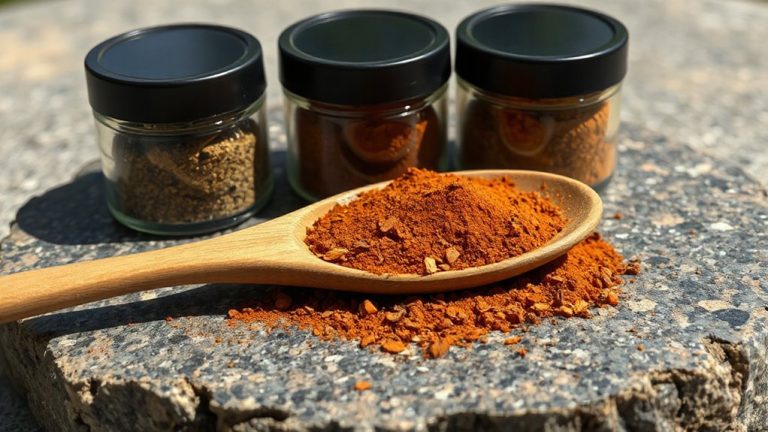
While the onions are cooling after their prep, you can start building a filling that balances richness and aroma without overwhelming the subtle sweetness of the onion. Choose a mix of ground beef and pork for depth, then season thoughtfully-your meat seasoning should enhance, not mask. A dash of smoked paprika, garlic powder, salt, and black pepper lays a solid foundation. For herb pairing, fresh parsley, thyme, and a hint of rosemary bring earthy brightness. Sauté onions and garlic in olive oil until soft, then blend into the meat. Let the mixture cool slightly before stuffing. This filling holds up well in the pit’s heat while staying juicy.
| Emotion | Ingredient | Role in Filling |
|---|---|---|
| Comfort | Ground beef | Richness anchor |
| Warmth | Thyme | Herb pairing balance |
| Depth | Smoked paprika | Meat seasoning essence |
| Freshness | Parsley | Aromatic finish |
Wrap Stuffed Onions for the Pit
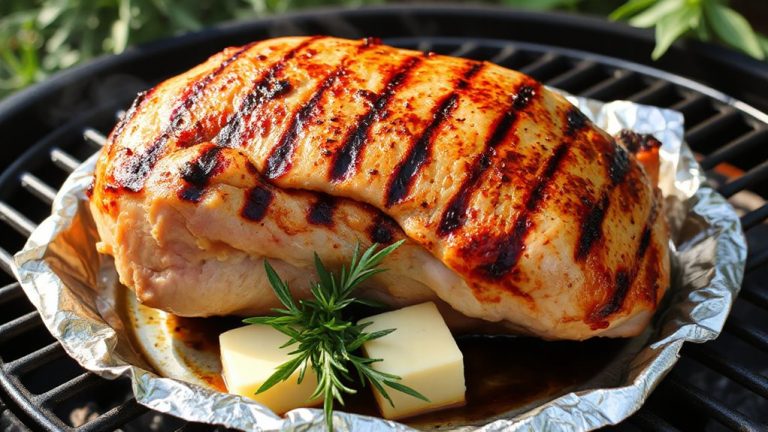
You’ve built a flavorful filling that brings together the richness of meat, the warmth of herbs, and the subtle smokiness of paprika-now it’s time to secure that flavor where it belongs, inside the onion and ready for the pit. Carefully place each stuffed onion in a sheet of heavy-duty foil, then fold the edges up and over, creating a tight seal. Proper foil wrapping prevents juices from escaping and protects the onion from direct ash contact. This method also maximizes heat retention, ensuring even cooking through slow, conductive warmth rather than charring. Loose wraps lead to moisture loss and uneven results, so take time to seal thoroughly. While some opt for natural leaves, foil offers superior control and consistency in an open pit. It traps steam effectively, softening the onion layers without turning them to mush. Done right, this step sets the stage for tender, fully infused onions that hold their structure from pit to plate.
Cook Stuffed Onions in Embers
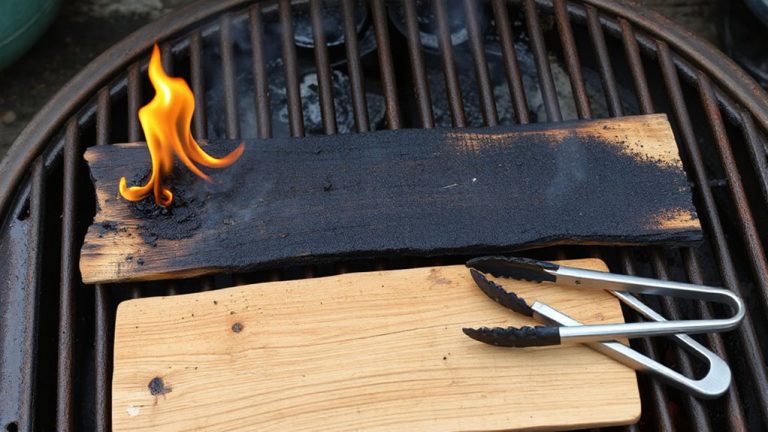
A well-wrapped bundle placed in the right part of the fire makes all the difference when cooking stuffed onions in embers. You’ll want to use hardwoods like oak or hickory-wood selection directly impacts flavor, and these woods burn clean with steady heat. Once coals turn gray at the edges and glow faintly orange underneath, the ember temperature is just right-too hot, and your bundles scorch; too cool, and they steam without caramelizing. Nestle them beneath a thin layer of ashes, letting residual heat do the work over 45 to 60 minutes. The moisture from the onions and herbs builds steam inside the wrap, while the meat slowly browns. Proper ember temperature guarantees even cooking without burning the outer layers. With the right wood and heat control, the result is deeply savory, with subtle smokiness that complements, not overwhelms. This method’s reliability makes it a standout for pit cooking done right. For consistent results, consider using a campfire grill to elevate the bundle and regulate heat exposure.
Serve Stuffed Onions at Your Feast
Once the embers have worked their magic, it’s time to uncover your stuffed onions and bring them to the table, where their presentation can match their rich, smoky flavor. Carefully transferring each onion keeps the structure intact, enhancing guest presentation and showcasing your effort. These aren’t just hearty servings-they carry cultural significance, echoing traditional earth-cooked dishes across Eastern European and Middle Eastern communities. Serve them on rustic platters with fresh herbs as garnish to elevate visual appeal and authenticity.
| Pairing Option | Reason for Pairing |
|---|---|
| Flatbread | Soaks up juices and complements texture |
| Yogurt sauce | Cuts richness with cool, tangy contrast |
| Pickled vegetables | Adds brightness and balances smoke |
| Fresh herbs | Reinforces aroma and improves guest presentation |
Their depth of flavor and thoughtful serving style reflect both culinary care and cultural significance, making them a memorable centerpiece.
On a final note
You’ve mastered a rustic, flavorful technique by cooking stuffed onions in an open pit. The smoky embers impart deep aroma, while the wrap seals in juices, enhancing texture and taste. This method showcases traditional BBQ principles-low, indirect heat and natural fuel-delivering consistent results. Though labor-intensive, the outcome justifies the effort, especially for outdoor gatherings. With proper prep and attention to ember temperature, this dish proves both practical and impressive in authentic open-fire cooking.