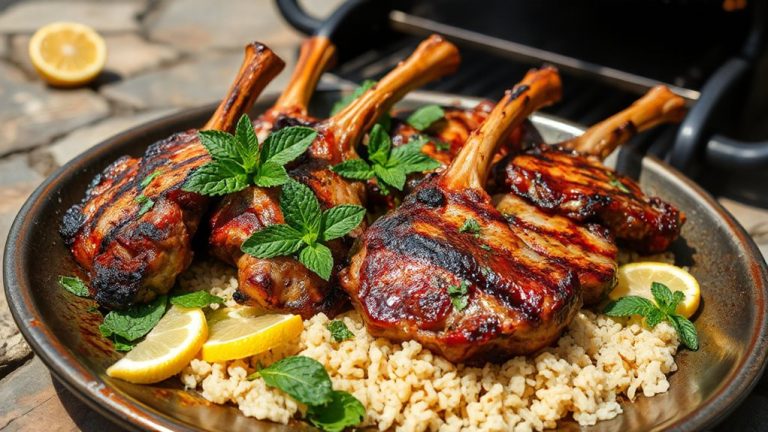
Half-Grill Fire: Two-Zone Setup for Compact Charcoal Grills
Light 50–75 briquettes in a chimney starter, then pile them evenly on one side of your compact grill to create a half-grill fire. This setup gives you a hot zone for searing and a cooler zone for indirect cooking, reducing flare-ups and fuel waste. Use stable-burning briquettes for consistent heat, and control airflow with the bottom and top vents. Position food over direct heat to sear, then move it to the cool side to finish. You’ll find more strategies for refining temperature control and cooking efficiency with a few smart tweaks.
Notable Insights
- Light 50 to 75 briquettes in a chimney starter for even ignition and sufficient heat on a compact grill.
- Dump all lit coals to one side of the grill to create distinct direct and indirect cooking zones.
- Use briquettes for steady, long-lasting heat or lump charcoal for high-temperature searing as needed.
- Sear foods over the hot zone, then move to the cooler side to finish cooking indirectly.
- Control temperature by adjusting bottom and top vents while minimizing lid openings to maintain heat stability.
Build a Half-Grill Fire in 4 Steps
Start by lighting your charcoal in a chimney starter-about 50 to 75 briquettes usually does the job for most medium-sized grills. Once the coals are ashed over, dump them to one side of the grill to establish clear fire placement. This uneven coal distribution creates a hot zone for searing and a cooler zone for indirect cooking, essential for control. You’re not just building heat-you’re building strategy. Positioning all lit coals under half the grate maximizes efficiency without needing a full burn, reducing fuel waste and flare-ups. The result? Reliable two-zone readiness without complexity. This method works consistently, whether you’re grilling chicken or managing delicate vegetables. Proper fire placement guarantees radiant heat stays targeted, while smart coal distribution prevents thermal bleed. It’s not just convenient-it’s effective design in action. With this setup, you gain flexibility, precision, and better results across a range of foods. For even heat management, consider upgrading to one of the best charcoal grills that support adjustable air vents and sturdy construction.
Use Two-Zone Heat on Small Grills
Even though space is tight on a small grill, you can still take full advantage of two-zone heat by carefully managing your fire layout. You’ll stack coals on one side, leaving the other bare for indirect lighting-perfect for slower cooking or holding finished items. This setup gives you control, letting you sear over direct heat and then shift food to safety when flare-ups happen or temperatures need calming. Airflow control is critical; tweak the bottom and top vents just enough to keep oxygen feeding the fire without overheating the entire chamber. On compact grills, even small changes in vent position affect temperature quickly. You’ll notice more stable zones when airflow is balanced. And while it takes practice, mastering this method means you can roast, smoke, or gently warm sides-even on a 17-inch kettle. Two-zone heat isn’t just for big rigs; it’s essential, even at small scale. The right charcoal grill for camping can make mastering this technique easier, especially when designed for portability and precise heat management.
Pick Charcoal for Steady Two-Zone Heat
You’ve already seen how airflow and fire placement shape cooking zones on compact grills, but the kind of charcoal you use plays just as big a role in sustaining those conditions. Charcoal selection directly impacts temperature control and cooking time, especially when managing a half-grill fire. For steady two-zone heat, choose fuel that offers a balanced burn rate and consistent output. A reliable choice among top models in the best charcoal grills for 2025 is briquettes for even burn, known for their stability and long-lasting performance.
| Charcoal Type | Burn Rate | Best For |
|---|---|---|
| Lump Charcoal | Fast | Quick searing, high heat |
| Briquettes | Slow | Stable, long cooks |
| Binchotan | Very Slow | Precision grilling |
| Soy-based | Moderate | Eco-conscious grilling |
Briquettes are often the top pick-they burn evenly and maintain zone integrity longer. While lump offers intense heat, its faster burn rate can disrupt balance. For reliable two-zone performance on small grills, predictable burn rate and uniform charcoal selection beat flashiness every time.
Cook These Foods on a Half-Grill Setup
Once the coals are banked to one side and the grill reaches equilibrium, the two-zone setup really earns its keep, letting you tackle a wider range of foods with precision. You’ll use direct grilling for steaks, burgers, or veggies-anything that thrives with high, fast heat and a quick sear. Flip them easily over the hot side without fear of burning. Meantime, the cool zone enables indirect roasting for thicker cuts like chicken breasts, pork chops, or even small whole birds. They cook through gently, avoiding flare-ups while developing deep flavor. Even delicate items like fish fillets benefit when started over direct heat, then moved to finish with indirect warmth. The half-grill fire lets you manage doneness strategically. With practice, you’ll balance char and tenderness effortlessly across diverse meals.
Keep Heat Steady on a Small Grill
A single layer of evenly spaced coals on one side of a small grill gives you control without sacrificing stability, letting you maintain a steady temperature despite the limited space. You’ll minimize temperature fluctuations by avoiding overcrowding the firebox-too many coals trap heat and make airflow erratic. Instead, use just enough lit charcoal to sustain your cooking zone, which also boosts fuel efficiency. The key is balanced ventilation: slightly open the bottom damper and adjust the lid vents to regulate oxygen flow. You’ll notice consistent heat retention when you monitor the lid thermometer and resist the urge to peek too often. This method keeps searing temps stable while preserving a cool side for indirect cooking. On a compact grill, thoughtful coal placement and airflow management do more than convenience-they’re essential for precision, efficiency, and repeatable results.
Fix Two-Zone Fire Problems on Small Grills
Even with careful setup, two-zone fires on small grills can still run into issues like uneven heat distribution or flare-ups that disrupt cooking. You might notice one side burning hotter due to poor fire placement-coals packed too close to the center or skewed to one edge throw off balance. Correct this by rearranging them quickly with tongs to maintain a clear hot zone and cooler side. Flare-ups often stem from excess drippings meeting open flames, but managing airflow control through the bottom and top vents helps reduce intensity. Partially closing vents limits oxygen, calming sudden spikes without killing the fire. Uneven burns may also point to blocked vents or inconsistent coal lighting, so check for obstructions before and during use. With proper airflow control and deliberate fire placement, you’ll stabilize the zones and avoid frustrating mid-cook surprises, keeping performance reliable on compact grills.
Make Smart Adjustments for Better Results
While managing heat zones is essential, fine-tuning your setup during cooking often makes the difference between good results and great ones. You should monitor grill ventilation closely-adjusting the bottom and top vents controls oxygen flow, which directly affects charcoal burn rate and heat stability. If your fire starts dying, open the vents slightly; if it’s too hot, restrict airflow. Proper ash management also plays a key role-excess ash insulates coals and blocks airflow, leading to uneven burns. Use a grill tool to push ash toward the unlit side or remove it carefully mid-cook. These small tweaks keep temperatures consistent and improve fuel efficiency. Smart adjustments aren’t about constant interference, but timely corrections based on smoke, heat response, and cooking progress. With practice, you’ll anticipate shifts and maintain ideal conditions from sear to finish.
On a final note
You’ve set up your half-grill fire, mastered two-zone cooking, and chosen the right charcoal for steady heat. This method gives you control, letting you sear over direct heat and finish over indirect-ideal for everything from chicken to veggies. On small grills, airflow and coal placement are critical, so adjust vents and coals as needed. With practice, this simple setup boosts versatility and delivers consistent results, proving compact grills can perform like larger models when used strategically.