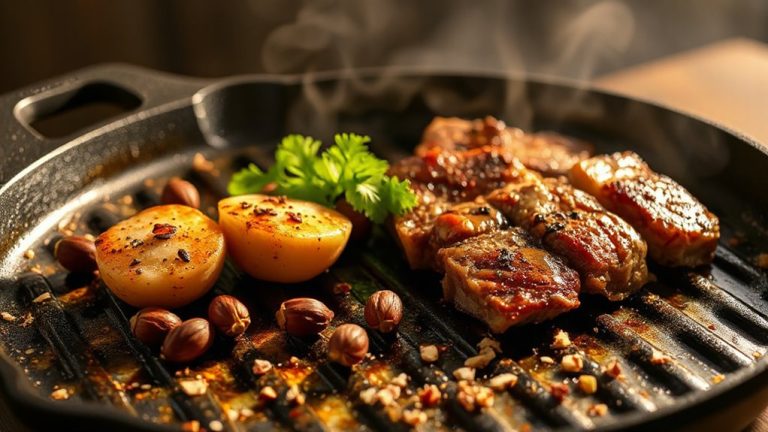
How to Cook Perfectly Juicy Meats Using the Low-and-Slow Open Pit Method
Choose tough cuts like brisket or pork shoulder-they’re rich in connective tissue and marbling, which break down beautifully over time. Set up your pit for indirect heat, keeping coals to one side so the meat cooks gently without drying out. Maintain a steady 225°F using hardwoods like oak for clean, consistent smoke. Test doneness with a probe; it should slide in like butter when fully tender. Rest the meat for at least 30 minutes, then slice against the grain for maximum juiciness. There’s more to mastering the fire than temperature alone.
Notable Insights
- Choose well-marbled, tough cuts like brisket or pork shoulder for optimal moisture and texture.
- Use indirect heat by placing coals to one side, keeping meat away from direct flame.
- Maintain a steady 225°F with hardwoods like oak or hickory for ideal fat rendering and tenderness.
- Test doneness with a calibrated probe; meat is ready when it slides in like butter.
- Rest meat for at least 30 minutes, then slice against the grain for maximum juiciness.
Choose the Best Cuts for Low-And-Slow Cooking
You’ll want to pick cuts with plenty of connective tissue and marbling-those tough, fatty sections break down beautifully over time, giving you tender, juicy results. For low-and-slow cooking, marbling content is essential; it melts gradually, basting the meat from within and preserving moisture. Cuts like beef brisket, pork shoulder, and ribs thrive because their high connective tissue softens into gelatin, creating that signature pull-apart texture. Leaner options like sirloin or chicken breast dry out under prolonged heat, so they’re poor choices. You’re better off selecting well-exercised muscles-places where collagen builds up naturally. These areas rely on fat and connective tissue for flavor and structure. When slow-cooked, they transform dramatically, far surpassing leaner, more expensive cuts. Marbling content isn’t just cosmetic; it’s functional, ensuring succulence. Trust the process: the tougher the raw cut, often, the better it performs. Choose wisely, and your pit rewards you. The best cuts of meat for smoking deliver optimal flavor and texture when cooked low and slow.
Set Up Your Pit for Indirect Heat
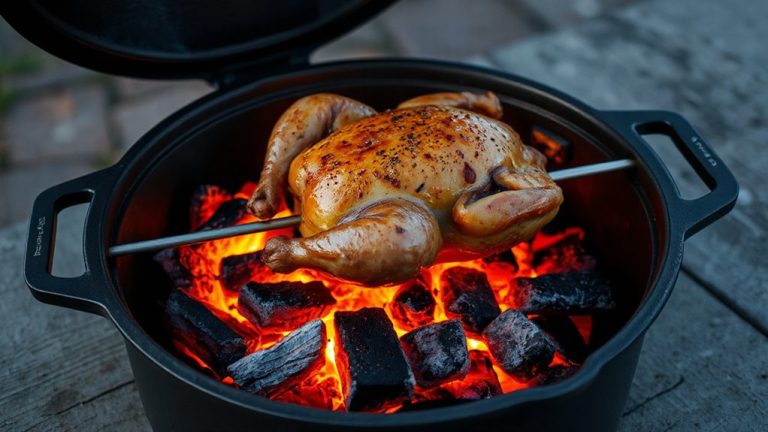
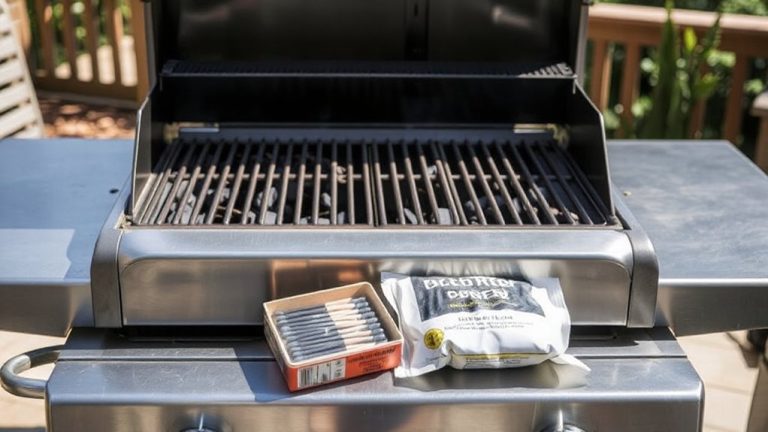
With indirect heat, the fire burns to one side or below a separate chamber, allowing the meat to roast in hot, circulating air without direct exposure to flames-this method’s key advantage is steady, even cooking that prevents scorching while rendering fat and collagen gradually. You’ll need to adjust your charcoal arrangement accordingly: pile lit coals on one side of the grill or firebox, leaving the opposite side empty for the meat. This setup creates a temperature gradient, letting you manage cooking zones effectively. Proper airflow control is just as critical-open the bottom and top vents partially to sustain oxygen flow without overheating. Too much draft spikes the temperature; too little suffocates the fire. Use adjustable dampers to fine-tune combustion over hours. A well-balanced pit runs efficiently, maintaining consistent thermal conditions with minimal intervention, ensuring your meat cooks evenly and develops deep, smoky flavor without burning. For optimal results, consider using a model designed specifically for this technique, such as a charcoal grill smoker with a dedicated fire chamber and ample heat retention.
Hold a Steady 225°F for Tender Results
Maintaining a consistent 225°F isn’t just a recommendation-it’s the foundation of tender, pull-apart barbecue, especially after setting up your pit for indirect heat. Your fuel type plays a vital role here; hardwoods like oak or hickory burn steady and clean, making temperature control easier than with softwoods or low-quality charcoal. Once your fire’s stabilized, resist the urge to constantly adjust-it disrupts the cooking duration needed for collagen to break down slowly. Most large cuts require 1.5 to 2 hours per pound at this temp, so patience is key. Fluctuations above 250°F can dry out meat, while dips below 200°F prolong cooking and risk under-rendered fat. A reliable thermometer and airflow management let you maintain equilibrium. This steady low heat guarantees fibers soften gradually, yielding juicy, cohesive results instead of stringy or tough textures. Properly managed, this method transforms even the toughest cuts into succulent barbecue. For those without access to a traditional pit, using a high-quality best smoker can replicate authentic open pit results with precision temperature control.
Check Doneness With the Probe Test
A properly cooked low-and-slow brisket or pork shoulder isn’t just about time or temperature-it’s about texture, and the most reliable way to judge that is with the probe test. You insert a calibrated meat probe into the thickest part, watching for that telltale ease-when it slides in like butter, you’ve hit the sweet spot. Proper probe calibration guarantees accuracy, because even a 5–10°F offset can mislead you amid subtle temperature gradients within large cuts. Don’t rely solely on surface readings; internal layers cook slower, creating gradients that digital probes help you navigate. A well-calibrated instant-read or leave-in probe gives real-time feedback, letting you assess tenderness beyond what time charts suggest. This method beats guesswork, revealing doneness through resistance, not just degrees. With consistent probe use, you’ll recognize when collagen fully breaks down and fibers begin to separate-key markers of properly finished barbecue.
Rest and Slice for Juicy, Tender Meat
Once you’ve pulled your brisket or pork shoulder from the pit, resist the urge to cut right in-letting it rest isn’t just helpful, it’s essential for juicy results. Resting allows the meat temperature to stabilize and juices to redistribute, ensuring each bite stays moist. Wrap the meat loosely in foil and let it sit for at least 30 minutes. Skipping this step risks dry, tough meat, no matter how well you smoked it. When ready, pay close attention to your slice angle; cutting across the grain at a 45-degree angle maximizes tenderness. Here’s a quick guide:
| Cut of Meat | Recommended Slice Angle |
|---|---|
| Brisket | 45° across the grain |
| Pork Shoulder | Thin slices, against grain |
| Ribeye Roast | 90° perpendicular to grain |
| Chicken thighs | Follow natural fibers |
Proper rest and correct slice angle make all the difference.
On a final note
You’ve picked the right cuts, managed steady heat, and used the probe test for precision-now resting guarantees every slice stays moist. The low-and-slow open pit method rewards patience with unmatched tenderness and deep smoke flavor. While it demands attention to temperature and airflow, the results justify the effort, especially for tough, collagen-rich meats. This technique isn’t flashy, but it’s proven, transforming ordinary cuts into something exceptional through consistent, indirect heat and smart execution.