Installing Stainless Steel Ventilation Hoods Over Outdoor Grills
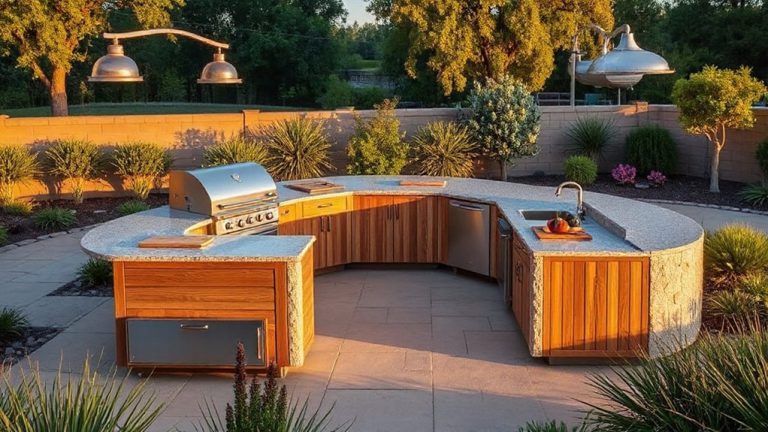
You’ll want a stainless steel hood over your outdoor grill because it resists rust, handles high heat, and outlasts aluminum or painted steel. Mount it 30–36 inches above the cooking surface for ideal smoke capture and safety. Use rigid ducting with an inline fan sized to your grill’s BTUs for strong, quiet ventilation. Center the hood evenly and seal joints with high-temp silicone. Keep it performing by cleaning filters regularly and wiping down the exterior-there’s more to get right if you’re building a durable, efficient outdoor kitchen.
Notable Insights
- Choose 304 or 316-grade stainless steel for superior corrosion resistance and long-term durability in outdoor environments.
- Position the hood 30 to 36 inches above the cooking surface for optimal smoke capture and heat management.
- Use rigid ducting with minimal bends and short runs to maintain strong, efficient airflow from the grill to the exterior.
- Center the hood over the grill with even overhang to ensure balanced ventilation and complete emission capture.
- Install an inline fan with sufficient CFM rating to match your grill’s BTU output for effective outdoor smoke removal.
Why Stainless Steel Beats Other Hood Materials
While you might consider aluminum or painted steel for your outdoor grill hood, stainless steel stands out as the superior choice for both performance and longevity. You’ll face constant exposure to moisture, smoke, and high temperatures, so materials matter. Stainless steel offers exceptional corrosion resistance, meaning it won’t rust or degrade when hit with rain, humidity, or grease-laden air-unlike painted steel, which chips and corrodes over time. It also boasts superior heat tolerance, safely handling the intense thermal output of grills without warping or losing structural integrity. Aluminum may be lighter, but it dents easily and lacks the same durability. Stainless steel maintains its appearance and function for years with minimal maintenance. For outdoor cooking environments that demand reliability, choosing stainless steel isn’t just smart-it’s essential. You’re investing in a hood that performs consistently, looks clean, and lasts.
Measure for Stainless Steel Hood Placement
You’ve chosen stainless steel for your grill hood because it stands up to heat, resists corrosion, and holds up over time-now it’s time to make certain it’s installed in the right place. Proper hood clearance is essential: most manufacturers recommend at least 30 inches between the cooking surface and the bottom of the hood to manage heat effectively without reducing efficiency. Too little space risks warping or flare-ups; too much reduces smoke capture. Placement alignment matters just as much-the hood should center perfectly over the grill, with even overhang on all sides to make certain balanced ventilation is achieved. Misalignment can create hot spots or leave smoke to drift sideways, compromising your outdoor kitchen’s comfort. Use a level and measuring tape to confirm both vertical and horizontal positioning before securing the frame. Accurate measurements now prevent performance issues later.
Pick a Vent Type for Your Stainless Steel Hood
How do you guarantee your stainless steel hood performs as well as it looks? You start by picking the right vent type, which depends heavily on fan selection and duct sizing. If you’re running a high-BTU grill, you’ll need a powerful fan-typically measured in CFM-to move smoke and grease efficiently. Inline fans often deliver stronger, quieter performance than rooftop models, especially in built-up outdoor kitchens. Duct sizing matters just as much; undersized ducts restrict airflow, reducing effectiveness no matter how strong the fan. Aim for smooth, short runs with minimal bends to maintain suction. Recirculating hoods are easier to install but don’t vent outdoors, making them less effective for heavy grilling. For serious outdoor cooking, ducted systems are the clear choice. They keep your space comfortable and prevent grease buildup over time. Think ahead-proper fan selection and correct duct sizing guarantee long-term performance and easier maintenance.
Install Your Stainless Steel Ventilation Hood
Since proper ventilation is essential for both performance and longevity, installing your stainless steel hood correctly guarantees it handles smoke, heat, and grease effectively. You’ll want to guarantee precise grill alignment so the hood captures emissions at the source. Proper positioning boosts airflow efficiency, preventing smoke buildup and improving cooking conditions. Mount the hood at the recommended height-typically 30 to 36 inches above the grill-for maximum function. Use rigid ducting for straight exhaust runs, minimizing bends that restrict airflow. Below is a quick reference for key considerations:
| Factor | Why It Matters |
|---|---|
| Grill alignment | Guarantees complete smoke capture at the source |
| Airflow efficiency | Reduces lingering odors and cooking time |
| Mounting height | Affects suction performance and safety |
| Duct layout | Straight paths improve ventilation, lowering maintenance |
Weatherproof Your Stainless Steel Hood
A well-installed ventilation hood does more than just manage smoke-it sets the stage for durable, high-performance outdoor cooking. To guarantee long-term success, you need to weatherproof your stainless steel hood properly. While stainless steel offers strong material durability, it’s not immune to the elements. Without adequate protection, moisture, salt air, and temperature swings can compromise its integrity over time. That’s why choosing a hood with high corrosion resistance-like 304 or 316-grade stainless-is essential, especially in humid or coastal climates. These grades contain chromium and nickel, which form a passive oxide layer that resists rust. Installing a protective cover during off-seasons helps too, as does sealing seams and joints with high-temp silicone. Proper slope and drainage prevent water pooling, which reduces long-term wear. With the right precautions, your hood won’t just survive the weather-it’ll perform efficiently for years.
Clean and Maintain Your Stainless Steel Hood
What separates a lasting outdoor cooking setup from one that quickly degrades? Your cleaning routine. You can’t overlook regular care, especially with stainless steel hoods exposed to heat, smoke, and moisture. Wipe down the exterior weekly to prevent buildup and maintain its sheen-surface polishing isn’t just for looks; it preserves corrosion resistance. A quality hood includes effective grease filtering, which traps airborne oils during grilling. Without it, residue accumulates faster, compromising performance and increasing fire risk. Clean or replace filters every few months, depending on use. For surface polishing, use a non-abrasive cleaner designed for stainless steel to avoid scratches. Don’t forget the interior; grease and soot degrade metal over time. Consistent maintenance guarantees your ventilation system works efficiently and lasts through seasons of heavy BBQ use.
Avoid These 5 Stainless Steel Hood Mistakes
Grilling disasters often start with overlooked details-and your stainless steel hood shouldn’t be one of them. Skipping proper ventilation clearance leads to heat buildup, undermining the hood’s heat resistance and warping components over time. You might think any stainless steel works, but lower grades corrode quickly; always choose 304-grade for rust prevention and durability. Installing indoors? That’s a mistake-outdoor hoods are built for weather but still need cover to resist moisture damage. Another common error: ignoring grease management. Without regular cleaning, grease traps become fire hazards and reduce airflow efficiency. Finally, skipping professional installation risks improper alignment and poor performance. You’re investing in a high-performance setup, so cutting corners compromises safety and longevity. A well-installed stainless hood with solid heat resistance and consistent rust prevention doesn’t just look great-it protects your outdoor kitchen for years.
On a final note
You’ve chosen well with a stainless steel ventilation hood for your outdoor grill-it resists rust, handles heat, and lasts longer than aluminum or galvanized steel. Proper installation, correct venting, and regular cleaning guarantee peak performance. Skipping weatherproofing or neglecting maintenance cuts its lifespan. Done right, your hood keeps smoke and grease under control, protecting both your space and your cooking experience. It’s a smart, durable upgrade that delivers real value.