Best Salt for Steak: Maldon, Saltverk & 3 More Compared
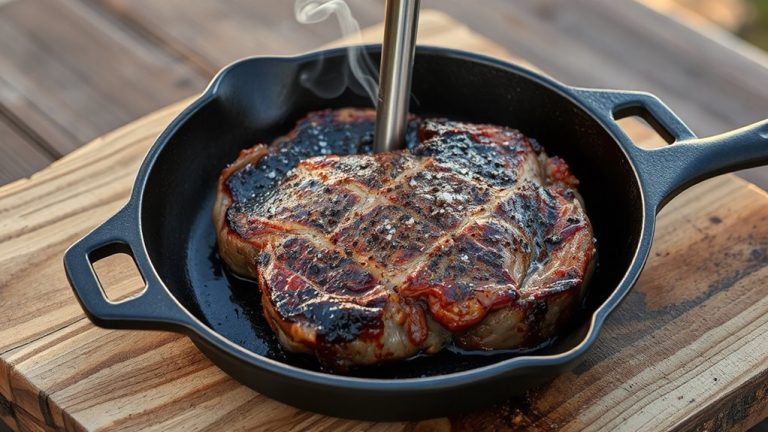
You want a salt that enhances sear, adds texture, and deepens flavor without overpowering-Maldon’s pyramid flakes cling well and deliver a clean, briny crunch perfect for finishing. Try Saltverk’s Icelandic flakes for mineral-rich, sustainable flair or coarse Morton Texas Steak Salt for reliable crust formation. Each offers distinct advantages depending on heat, cut, and desired crust. The right choice sharpens your steak’s profile and transforms seasoning into a highlight. More distinctions await to refine your pick.
We are supported by our audience. When you purchase through links on our site, we may earn an affiliate commission, at no extra cost for you. Learn more. Last update on 19th July 2026 / Images from Amazon Product Advertising API.
Notable Insights
- Hand-harvested flaky salts like Saltverk Icelandic Sea Salt deliver crunchy texture and mineral-rich umami that enhances seared steak.
- Maldon Sea Salt’s pyramid-shaped flakes cling to meat, offering a clean, briny crunch ideal for finishing steaks.
- Coarse salts such as Morton Texas Steak Salt adhere well to raw meat and form a consistent, flavorful sear crust.
- Mineral-rich Redmond Real Salt provides a subtly sweet taste and coarse grip, elevating ribeye without bitterness.
- Gourmet blends like TRUFF Black Truffle Salt add earthy depth, transforming each bite into a luxurious, aromatic experience.
Saltverk Icelandic Sea Salt (3.17 Oz)
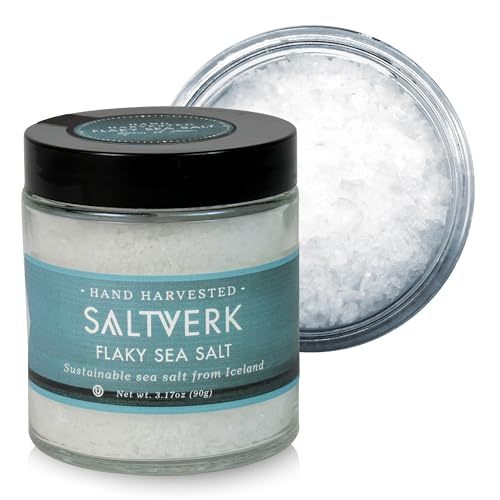
If you’re after a finishing salt that brings both texture and depth to your steak, Saltverk Icelandic Sea Salt is my top pick for grilled or seared cuts. I use it right after cooking, when those crunchy, mineral-rich flakes amplify the crust. Harvested by hand in Iceland’s Westfjords, it’s made using geothermal energy-carbon-neutral and sustainable. The 18th-century method gives it authenticity, and the 3.17 oz pack stays fresh indefinitely. You’ll notice it’s not just salty; it’s layered, enhancing umami without overpowering. Trusted by top chefs and featured on *National Geographic*, it performs consistently, whether I’m seasoning a ribeye or brisket.
Best For: Home chefs and food enthusiasts seeking a premium, sustainable finishing salt that enhances flavor and texture in grilled or seared meats.
Pros:
- Rich, crunchy texture and mineral depth elevate the taste of steaks and hearty dishes
- Sustainably harvested using geothermal energy with a carbon-neutral production process
- Long shelf life and consistent quality, trusted by top chefs and featured on *National Geographic*
Cons:
- Higher price point compared to standard sea salts
- Small 3.17 oz package may not suit high-volume users
- Flavor profile may be too nuanced for those preferring simple, straightforward saltiness
Maldon Sea Salt Flakes 8.5 oz

Maldon Sea Salt Flakes 8.5 oz stand out as the go-to choice for steak lovers who value texture and timing. I love how the pyramid-shaped flakes cling effortlessly to seared surfaces, delivering a satisfying crunch with each bite. Hand-harvested since 1882, this kosher salt carries over 140 years of craftsmanship, and you taste the difference-clean, briny, and balanced. I find it especially effective when finishing grilled steaks, where its delicate flakiness enhances, not overwhelms. The 8.5 oz container offers ample supply for regular use, and its natural mineral profile elevates everything from vegetables to desserts. It’s reliable, versatile, and worth every penny.
Best For: Home cooks and grilling enthusiasts who want a premium, textural finishing salt to elevate meats, vegetables, and desserts with a clean, briny crunch.
Pros:
- Distinctive pyramid-shaped flakes provide a satisfying crunch and cling well to foods, especially seared steaks
- Hand-harvested using traditional methods since 1882, offering a natural mineral balance and clean, fresh flavor
- Versatile enough for use across all stages of cooking, from seasoning to finishing, and suitable for a wide range of dishes
Cons:
- Higher price point compared to standard table or kosher salts, which may deter budget-conscious buyers
- Flakes may dissolve quickly in high-moisture or liquid-heavy dishes, limiting effectiveness in some recipes
- Packaging may vary, leading to inconsistent presentation or potential confusion for repeat purchasers
Maldon Sea Salt Flakes 20 oz

I find Maldon Sea Salt Flakes in the 20 oz resealable tub stand out best for home cooks and grilling enthusiasts who value both artisanal quality and practicality in their seasoning. Harvested by hand in the UK since 1882, these pyramid-shaped flakes deliver a clean, mineral-rich taste with a satisfying crunch. I use them heavily on grilled steaks, where their soft texture dissolves just right, enhancing natural juices without overpowering. The resealable 570 g tub keeps salt fresh, ideal for frequent cooks needing reliable storage. Kosher-certified and globally praised, this salt elevates meats, veggies, even desserts-making it a versatile staple I keep within reach.
Best For: Home cooks and grilling enthusiasts who value artisanal quality, a distinctive crunch, and practical resealable packaging in their kitchen salt.
Pros:
- Hand-harvested in the UK for over 140 years, offering premium quality and a clean, fresh taste
- Pyramid-shaped flakes provide a soft crunch and excellent flavor enhancement for meats, vegetables, and desserts
- Resealable 570 g tub maintains freshness and suits frequent, versatile culinary use
Cons:
- Larger 20 oz size may be excessive for light or occasional salt users
- Higher price point compared to standard table or kosher salts
- Delicate flakes may not be ideal for high-heat cooking methods requiring prolonged exposure
Redmond Real Salt 16 oz

Redmond Real Salt 16 oz stands out as the best salt for steak when you prioritize a natural, mineral-rich seasoning with a flavor profile that enhances rather than overpowers. I’ve found its subtly sweet, never bitter taste brightens seared meat without masking it. Mined from an ancient Utah seabed since 1958, it’s free of additives and packed with trace minerals doctors often recommend. Its sustainable origin cuts food miles compared to imported salts, and ethical practices back every batch. I use the coarse grind on ribeyes-it adheres well and delivers a clean pop of salinity. The refill pouch saves space and waste, making it a practical staple.
Best For: Home cooks and health-conscious steak enthusiasts seeking a natural, mineral-rich salt with a clean, subtly sweet flavor and sustainable sourcing.
Pros:
- Subtly sweet, never bitter taste enhances steak without overpowering it
- Unrefined and additive-free with trace minerals recommended by health professionals
- Sustainably mined in Utah with ethical practices and lower food miles than imported salts
Cons:
- Coarse grind may not be ideal for all seasoning applications or fine seasoning needs
- Limited availability compared to mainstream table salts
- Higher price point than conventional refined salts
Morton Texas Steak Salt, 9oz (2 Pack)

If you’re after a steak seasoning that delivers bold flavor and sticks firmly to your meat without dissolving too quickly under high heat, this coarse rock salt from Texas is your best bet-especially if you grill often and value a clean, natural ingredient. I’ve used the Morton Texas Steak Salt, 9oz (2 Pack), and its coarse crystals-mined straight from Grand Saline-cling perfectly to raw steaks, forming an even crust when seared. Sourced from one of North America’s purest natural deposits, it’s all-natural and free of additives. The unique crystal structure doesn’t just hold on; it enhances flavor development under intense heat, making it ideal for outdoor cooking. Backed by Morton’s heritage, each jar delivers consistent, restaurant-grade results-no guesswork, just better-tasting beef every time.
Best For: Grilling enthusiasts who want a natural, coarse steak salt that adheres well and enhances flavor under high heat.
Pros:
- Made from 100% natural coarse rock salt sourced from Grand Saline, Texas, one of North America’s purest natural salt deposits
- Unique crystal structure provides excellent adhesion to meat and forms a consistent crust when seared
- Additive-free and backed by Morton’s trusted quality for reliable, restaurant-grade seasoning every time
Cons:
- Coarse texture may not be ideal for seasoning other dishes requiring finer salt dispersion
- Limited flavor enhancement beyond saltiness-best paired with additional spices for complexity
- Glass jar packaging, while premium, may be less convenient for outdoor or travel use compared to shakers or pouches
Jacobsen Salt Co. Black Pepper Salt 4.23oz

When you’re after a seasoning that delivers both depth and texture without overpowering your steak, Jacobsen Salt Co. Black Pepper Salt is my go-to. I use it because it blends pure Oregon sea salt with bold Tellicherry peppercorns, giving each bite bright, briny, and citrus-tinged heat. The coarse grains add crunch and cling well to seared surfaces, enhancing flavor without masking the meat’s natural richness. Sourced from Netarts Bay and hand-sifted, it’s non-GMO and made in the USA-quality you can trust. I’ve found it works just as well on chicken or quiche, but it truly shines on a ribeye. Plus, the 4.23oz jar makes a thoughtful, upscale gift.
Best For: Home cooks and culinary enthusiasts seeking a premium, versatile seasoning that enhances meats and dishes with a balanced blend of bold flavor and texture.
Pros:
- Combines high-quality Oregon sea salt with fragrant Tellicherry peppercorns for a complex, citrus-tinged heat
- Coarse texture adheres well to proteins and adds satisfying crunch to finished dishes
- Sustainably harvested, non-GMO, and made in the USA, ideal for gifting or elevating everyday meals
Cons:
- Higher price point compared to standard salt and pepper blends
- Limited quantity (4.23oz) may require frequent reordering for regular use
- Flavor intensity may not suit those preferring mild or subtle seasonings
TRUFF Black Truffle Salt (5.3 oz)

This 5.3 oz bottle of TRUFF Black Truffle Salt stands out as the best choice for steak lovers who want to elevate their cooking with a touch of gourmet refinement. I’ve used it straight off the grill, and the blend of fine and coarse sea salt with real dried black summer truffles adds a rich, earthy depth that enhances the crust beautifully. It works equally well as a finishing touch or mixed into chimichurri or dry rubs. Beyond steak, I sprinkle it on roasted veggies or eggs for instant luxury. The quality feels consistent, and the flavor is balanced-not too overpowering. If you’re into refined, flavorful BBQ, this salt earns its place on your grill station.
Best For: Steak lovers and gourmet cooking enthusiasts seeking a luxurious, earthy flavor enhancement for grilled meats and everyday dishes.
Pros:
- Crafted with real dried black truffles and a blend of fine and coarse sea salts for rich, aromatic flavor
- Versatile use as a finishing salt or ingredient in rubs, sauces, and vegetable dishes
- Backed by a satisfaction pledge, ensuring quality and customer confidence
Cons:
- Higher price point compared to regular sea salt due to premium ingredients
- Subtle truffle flavor may not be pronounced enough for those seeking bold truffle taste
- Limited quantity (5.3 oz) may require frequent repurchasing for regular users
Saltverk Icelandic Sea Salt Gift Set (4 Jars)
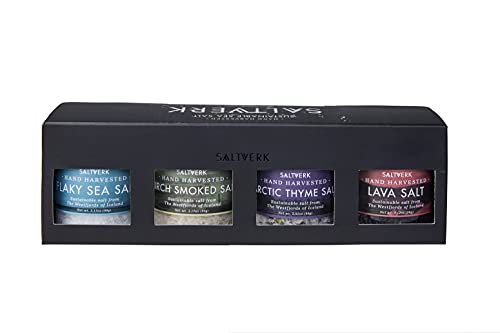
I’ve found the Saltverk Icelandic Sea Salt Gift Set stands out for steak lovers who value both quality and variety in their seasoning. Hand-harvested in Iceland using sustainable methods, these four unique salts-Flaky Sea Salt, Lava Salt, Birch Smoked Salt, and Arctic Thyme Salt-each bring something special to the grill. I use the flaky salt for finishing, the birch smoked one for rich umami depth, and the lava and thyme blends to elevate simple cuts. Packaged in a sleek gift box, this 12.33 oz set isn’t just practical-it encourages real flavor experimentation. For anyone serious about outdoor cooking, it’s a thoughtful, usable gift that performs.
Best For: Steak lovers and outdoor cooking enthusiasts who appreciate high-quality, unique salts for elevating their grilling experience.
Pros:
- Hand-harvested in Iceland using sustainable methods, ensuring premium quality and environmental responsibility
- Four distinct flavor profiles (Flaky, Lava, Birch Smoked, Arctic Thyme) ideal for diverse culinary applications
- Beautifully packaged in a premium gift box, making it a thoughtful and practical present for food lovers
Cons:
- Higher price point compared to standard table or sea salts
- Limited quantity per jar may lead to quick depletion with frequent use
- Flavor-specific blends may not appeal to those who prefer traditional, unseasoned salt
Le Marinier Celtic Salt Organic Grey Coarse

If you’re the type who treats steak like a ritual-carefully seared, simply seasoned, and deeply flavorful-Le Marinier Celtic Salt Organic Grey Coarse is your finishing touch of choice. I’ve tried plenty of salts, but this one stands out. Hand-harvested in French marshes using ancient methods, it’s unrefined and packed with minerals like magnesium and potassium. Its coarse, damp crystals add crunch, while the subtle salinity enhances without overpowering. The grey tint comes from mineral-rich clay, and each flake dissolves slowly, releasing complexity. I prefer it post-grill-it preserves texture and aroma better than table salt. It’s not just seasoning; it’s an upgrade.
Best For: Home chefs and food enthusiasts who value artisanal, mineral-rich finishing salts to elevate the flavor and texture of grilled meats, seafood, and vegetables.
Pros:
- Hand-harvested using traditional, chemical-free methods for maximum purity and mineral retention
- Coarse, moist crystals provide a distinctive crunch and slow dissolution for enhanced mouthfeel and flavor release
- Rich in essential minerals like magnesium, calcium, and potassium, contributing to better hydration and nutritional value
Cons:
- Higher price point compared to conventional table salt due to artisanal harvesting methods
- Moist, coarse texture may not be ideal for precise seasoning or applications requiring fine, free-flowing salt
- Grey color and mineral taste, while natural, may be unappealing or unfamiliar to some palates
Gibsons Steakhouse Seasoning Salt (6oz)
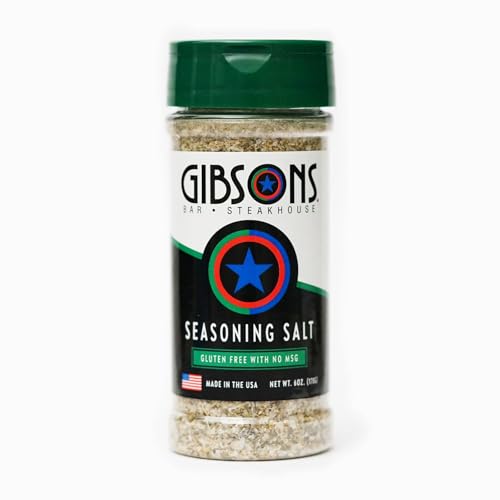
Though some steak enthusiasts prefer a simple sprinkle of kosher salt, I reach for Gibsons Steakhouse Seasoning Salt when I want depth and complexity without the guesswork-especially for grilling or pan-searing thick cuts like ribeye or strip steak. This 6oz blend, used daily at Chicago’s famed Gibsons Bar & Steakhouse for over 30 years, combines salt, spices, onion, and garlic into a bold, consistent formula. It’s gluten-free, contains no MSG, and works beyond steak-think roasted veggies, fries, or even eggs. I’ve found it especially effective as a dry rub or finishing touch, delivering savory richness that elevates everyday meals with professional flair, every single time.
Best For: Home cooks and grilling enthusiasts who want a reliable, bold seasoning to elevate steaks and a variety of dishes with restaurant-quality flavor.
Pros:
- Signature blend used for over 30 years at Gibsons Bar & Steakhouse, delivering consistent, professional flavor
- Versatile use on meats, vegetables, eggs, fries, and in recipes like dressings or rubs
- Gluten-free and free of MSG, making it suitable for those with dietary restrictions
Cons:
- Contains salt as a primary ingredient, which may not suit low-sodium diets
- Limited availability outside of specialty or online retailers
- Some purists may prefer custom-blended seasonings over pre-mixed options
Factors to Consider When Choosing Salt for Steak
You’ll want to pick a salt that matches your steak’s texture and cooking method, since grain size matters for even seasoning and crust formation. Think about how the salt enhances flavor, carries minerals, and stands up to high heat-each factor shapes the final bite. A coarse kosher grain might season evenly and sear beautifully, while fine sea salt sticks better and dissolves faster, so choose wisely based on what you’re aiming to achieve.
Grain Size Matters
A generous pinch of coarse-grained salt makes all the difference when seasoning steak, thanks to its ability to adhere evenly to the meat’s surface during high-heat cooking. You’ll find that larger crystals stick better, especially when searing or grilling over an open flame, where fine salt might slip or dissolve too fast. Coarse grains distribute flavor more uniformly, releasing salinity gradually for consistent seasoning. Because they’re less prone to clumping, you can apply them with precision, ensuring a solid crust without over-salting. Fine salts often vanish into surface moisture, leaving you with uneven results or bitter spots. The texture of coarse salt also adds a subtle crunch, enhancing mouthfeel in a way finer grains can’t match. When you’re aiming for a well-seasoned, restaurant-quality crust, grain size isn’t just detail-it’s essential. Choose coarse for control, consistency, and performance every time.
Flavor Enhancement
You’re not just seasoning steak-you’re building flavor from the surface in. Coarse salt crystals stick better, forming a reliable layer that holds up under intense heat, ensuring even seasoning without washing away during searing. Larger grains dissolve slower, giving you more control over saltiness, while flaky textures burst with taste and texture in each bite. You’ll notice how certain salts lift the meat’s natural richness, especially those infused with smoke or truffle-these add depth, amplifying savoriness without overpowering. Even subtle mineral-driven notes can enhance umami or sweetness, but it’s the structure and release of flavor that truly matter. Choose a salt that doesn’t just taste good on its own, but actively improves the steak’s profile. The right choice transforms seasoning into a strategic step, not just a finish-turning a simple crust into a dynamic flavor foundation.
Mineral Content
Mineral content plays a critical role in both the flavor and performance of salt when seasoning steak. You’ll find that salts rich in magnesium, calcium, and potassium add subtle complexity, enhancing the meat’s natural taste rather than overpowering it. Unlike highly refined table salt, unrefined varieties retain a broad spectrum of trace minerals thanks to minimal processing, giving you more nuanced flavor and nutritional value. These natural electrolytes may also help the steak retain moisture during cooking, supporting juiciness and tenderness. The mineral makeup varies by source and harvesting method, so Himalayan pink or Celtic gray salt can taste and behave differently than standard kosher. Iron and other micronutrients in some salts contribute to both taste and dietary intake. When you choose a mineral-rich salt, you’re not just seasoning-you’re fine-tuning the cooking chemistry for better results on the grill.
Texture Impact
Beyond mineral composition, how salt feels and behaves on the steak’s surface directly shapes both seasoning effectiveness and sensory experience. You’ll find coarse crystals stick better, thanks to their high surface area-to-volume ratio, ensuring even coverage without clumping. Flaky salts, with their jagged, low-density structure, cling well to moist meat and dissolve slowly, giving a satisfying crunch and controlled salt release with each bite. That crisp texture on the crust enhances mouthfeel dramatically. Fine salts, while less textural, penetrate fast-ideal for dry brining when you want deep seasoning. If you’re finishing steak, go for flaky or coarse salts; their structure resists runoff and boosts grip during searing. You’ll get both flavor and a subtle crunch that elevates the entire bite. Choosing based on texture isn’t just practical-it’s essential for mastering the steak experience.
Heat Tolerance
When searing steak over high heat, the salt you choose can make or break the crust. Coarse salts like kosher or flaked varieties hold up best, thanks to their larger granules and high surface area-to-volume ratio, which slow dissolution and prevent rapid moisture draw. This means seasoning stays where you put it, creating an even, flavorful crust without over-penetrating the meat. Fine table salt, on the other hand, dissolves too quickly under intense heat, often sinking unevenly and risking a harsh, overly salty bite. Plus, thermally stable crystals adhere better to hot surfaces, resisting clumping or scorching in the pan or grill. While unrefined sea salts offer mineral complexity, their slightly lower smoke point can introduce off-notes during prolonged searing. For consistent performance and structural integrity at high temperatures, stick with pure, coarse-grained salts-they’re built to handle the heat and deliver reliable flavor every time.
Finishing Versus Cooking
You’ll want to choose your salt with intention, since whether you’re seasoning during cooking or at the very end shapes both flavor and texture in distinct ways. If you’re cooking with salt, go for finer or coarse varieties-fine grains dissolve evenly under high heat, seasoning the steak throughout, while coarse crystals work well for dry brining, slowly drawing out and then reabsorbing moisture for juicier results. But when it’s time to finish, reach for flaky salts; their irregular structure resists dissolving, giving a satisfying crunch and a bright burst of flavor right on the surface. Finishing salts shine post-cook, preserving their texture and mineral complexity. Your steak’s cooking method matters too-grilled, seared, or smoked, each benefits from thoughtful salt timing. Match the salt’s grain and moisture content to your technique, and you’ll elevate both mouthfeel and taste with precision.
Origin And Purity
Though often overlooked, the origin of your salt plays a crucial role in both purity and flavor, directly influencing the quality of your steak. When you choose salt from ancient seabeds or untouched ocean regions, you’re getting fewer pollutants and more natural integrity. Unrefined options retain essential minerals like magnesium and calcium, enhancing taste without additives. If it’s harvested using sun-evaporation or drawn from geologically protected rock deposits, you avoid chemical processing entirely-keeping its structure intact. Hand-har游戏副本ed sea salts typically undergo minimal mechanical treatment, reducing contamination risks while preserving texture and mineral balance. You’ll notice the difference in both flavor clarity and mouthfeel. For steak, where every component counts, selecting a clean, well-sourced salt isn’t just detail work-it’s essential. Purity isn’t a buzzword here; it’s the foundation of honest, impactful seasoning that respects the meat’s natural character.
Salt Type Comparison
The origin and mineral integrity of your salt set the stage for its performance, but choosing the right type ultimately shapes how flavor meets meat. You’ll want coarse rock salt if you’re searing over high heat-its unique crystal structure sticks evenly and holds up under intense grilling. For finishing, flaky sea salt shines: its pyramid-shaped flakes offer crunch, dissolve quickly, and add a textural pop that elevates each bite. You’ll appreciate its handling, too-the structural integrity lets you pinch and sprinkle with precision. Kosher salt remains a go-to for pre-cook seasoning thanks to its uniform grains and ease of application, effectively drawing out moisture while enhancing flavor. Unrefined options bring subtle mineral complexity, though the differences are nuanced. While processed salts deliver consistency, you’re better off choosing based on application-coarse for cooking, flaky for finishing-so each steak gets exactly what it needs.
Frequently Asked Questions
Can I Use Regular Table Salt for Steak?
You can use regular table salt for steak, but it’s not ideal. Table salt’s fine grains dissolve too quickly and can over-penetrate, causing uneven seasoning or a metallic aftertaste. Its additives, like anti-caking agents, might leave a slight chemical note when seared at high heat. For better control and cleaner flavor, you’d want something like kosher or coarse sea salt. They stick more evenly, caramelize better, and enhance the crust without oversalting.
Is Sea Salt Healthier Than Regular Salt?
You’re not really getting much of a health boost by swapping regular salt for sea salt-chemically, they’re nearly identical and both packed with sodium. While sea salt retains trace minerals from its source, the amounts are too small to matter. For outdoor cooking, the real difference shows up in texture and dissolving rate, not nutrition. Stick with what suits your taste and grilling style, but don’t expect sea salt to make your BBQ healthier.
How Much Salt Should I Use on Steak?
You should use about ¾ to 1 teaspoon of salt per pound of steak for even flavor and a solid crust. You’re seasoning aggressively enough to penetrate the meat without oversalting. Coarse salt sticks better and dissolves slowly, giving you control. You’re aiming for consistent coverage, not clumps. Always salt at least 40 minutes before cooking-or right before-to avoid moisture issues. This balance guarantees a well-seasoned, juicy result every time.
Does Salt Expire or Go Bad Over Time?
No, salt doesn’t expire or go bad-you can keep it indefinitely. It’s antimicrobial, so moisture and bacteria won’t grow in pure salt. If you use iodized salt, though, the additives may degrade over time, giving it a faint chemical smell or taste. For outdoor cooking, sea salt or kosher holds up better in humid conditions and resists clumping. Always store it in an airtight container to preserve texture and flow, especially near grills where grease and smoke can contaminate it.
Can I Use Kosher Salt Instead of Sea Salt?
You can absolutely use kosher salt instead of sea salt-it’s a solid choice for seasoning steak. Its coarse crystals dissolve evenly, giving you consistent flavor without harsh bites. Unlike fine table salt, it’s easier to control how much you apply by hand. While sea salt has subtle mineral notes, kosher salt’s clean sodium punch works reliably on high-heat sears. Just make certain you’re using the right amount, since volume differs from finer salts.