Why Savory (Summer and Winter) Is Essential in Hearty BBQ Bean Recipes
You’ll love how savory elevates your BBQ beans-winter savory’s bold, peppery kick stands up to long cooking, while summer savory’s sweet-spicy note balances rich, smoky flavors. Both contain essential oils like carvacrol that cut through heaviness and aid digestion, reducing bean-related discomfort. Known as “bean herb” for good reason, savory adds depth and practical benefits no other herb matches. You’ll discover even more ways these herbs transform hearty dishes with every recipe you try.
Notable Insights
- Savory adds unmatched depth to BBQ beans, enhancing flavor beyond what milder herbs like thyme can provide.
- Winter savory’s peppery, resinous notes stand up to long cooking, ideal for hearty baked beans and stews.
- Summer savory offers a sweet-spicy balance that complements bold, smoky BBQ profiles without overpowering them.
- Both types contain carvacrol and thymol, essential oils that reduce gas and aid digestion from beans.
- Easy to grow and available fresh or dried, savory ensures year-round access to robust, bean-enhancing flavor.
Why Savory Makes BBQ Beans Taste Better
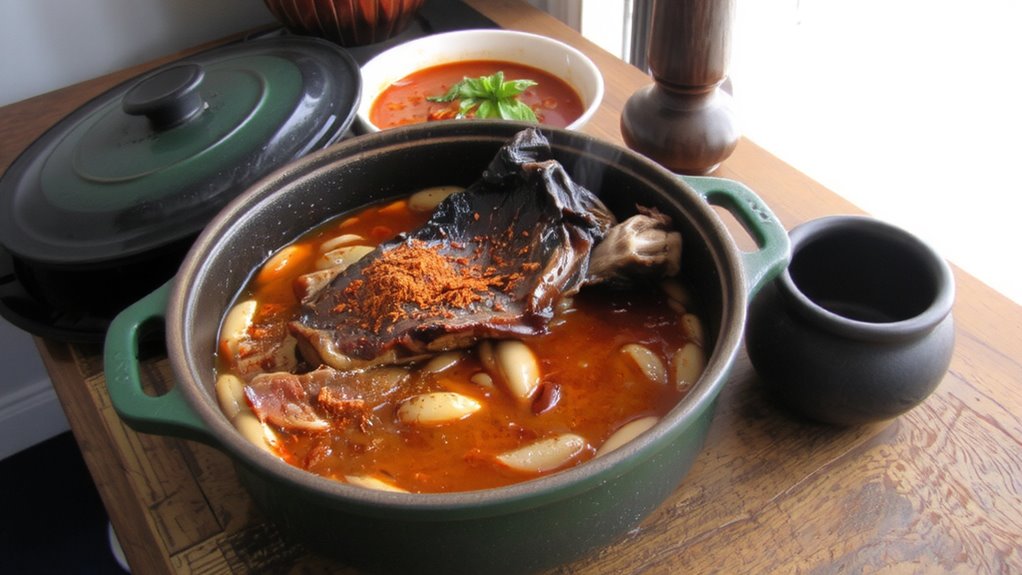
While you might overlook savory when seasoning your BBQ beans, adding it can make a noticeable difference in both flavor and digestibility. Savory’s pungent flavor cuts through richness, elevating bean dishes with a depth that dried herbs like thyme or marjoram can’t match alone. Whether you use winter or summer savory, both stand up well to long cooking, retaining their essential oils and aromatic complexity in slow-simmered recipes. Winter savory brings a peppery, resinous note, while summer savory offers a milder, sweet-spicy balance-perfect for rounding out bold BBQ profiles. Historically known as “bean herb” in European cuisine, it’s long been valued for taming gas in hearty bean dishes thanks to its carminative properties. You’ll find that even a small amount of dried savory sharpens the overall taste, making your beans not just more flavorful but easier to digest-an essential edge in any well-crafted outdoor cookout.
Winter vs Summer Savory: Which Is Best for Beans?
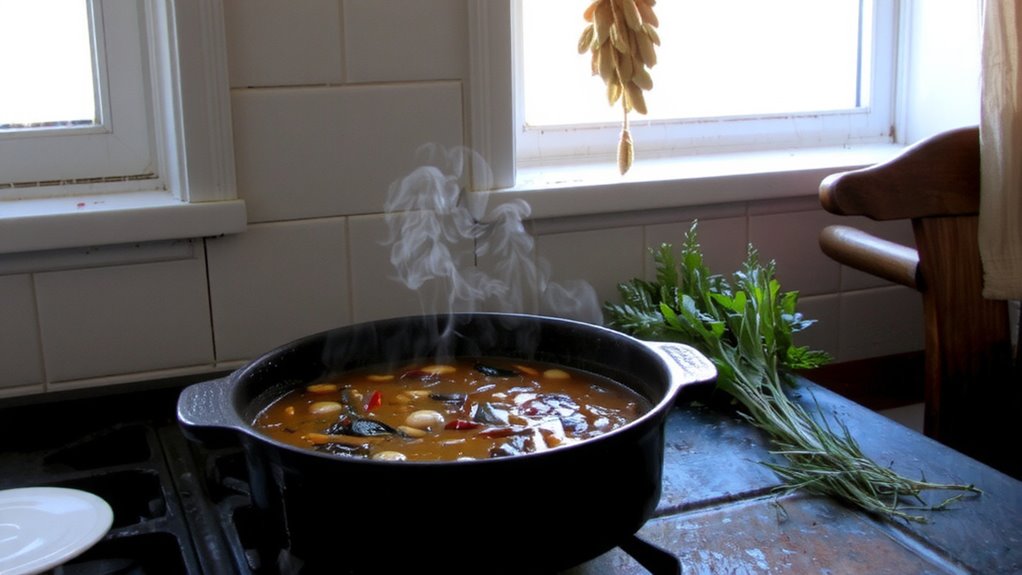
You’ve likely realized by now that savory isn’t just a background note in bean dishes-it actively shapes both taste and digestion, especially in slow-cooked BBQ recipes. When it comes to beans, Winter savory packs a bolder punch with its peppery, resinous flavor, making it ideal for hearty dishes like baked beans or bean soup. Known traditionally as “bean herb” for good reason, this hardy perennial stands up well to long cooking and adds depth that complements smoky, rich ingredients. Summer Savory, on the other hand, brings a sweeter, more subtle aroma-closer to thyme and marjoram-and shines in lighter preparations. While both work, Winter savory’s robustness makes it the top choice for most BBQ bean recipes. Its evergreen nature means you can harvest it year-round, ensuring your bean dishes stay flavorful even in colder months.
How Savory Helps You Digest Beans Easily
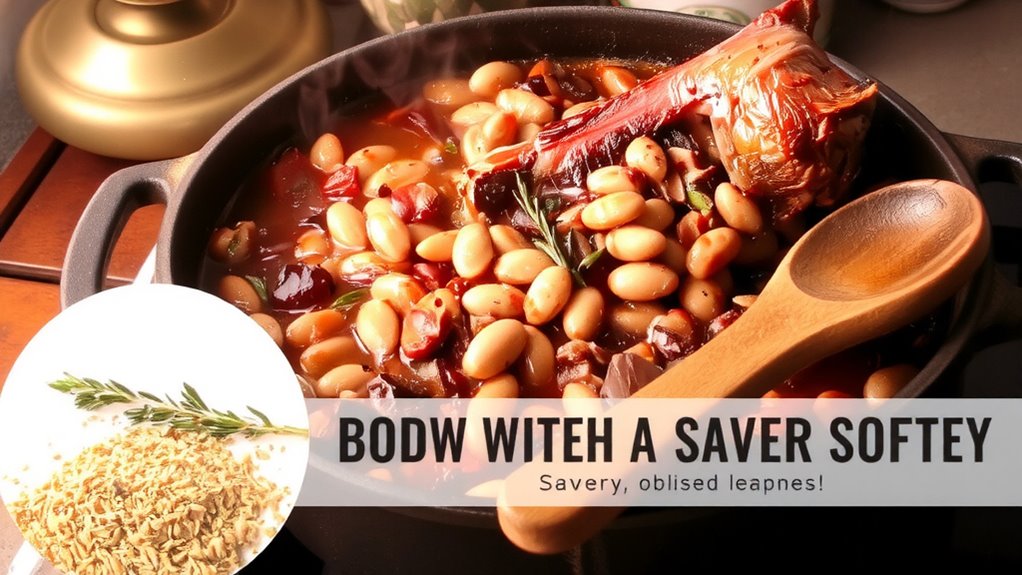
Because savory contains natural essential oils like carvacrol and thymol, it’s long been valued for easing digestion in bean-heavy meals, especially those slow-cooked over a grill or smoker. These essential oils act as a carminative, helping to reduce gas and bloating-common side effects of eating green beans and other legumes. As a perennial herb, winter savory is especially potent, offering a robust flavor and strong digest-aiding properties. German cooks have long called it Bohnenkraut, or “bean herb,” relying on it to prevent flatulence and colic. In traditional medicine, savory teas were used to treat digestive discomfort, and Romanian cuisine includes it in sarmale for the same reason. When you add savory to BBQ beans, you’re not just boosting taste-you’re making them easier to digest. It’s a smart, time-tested move for hearty outdoor meals.
Grow Fresh Savory at Home All Year
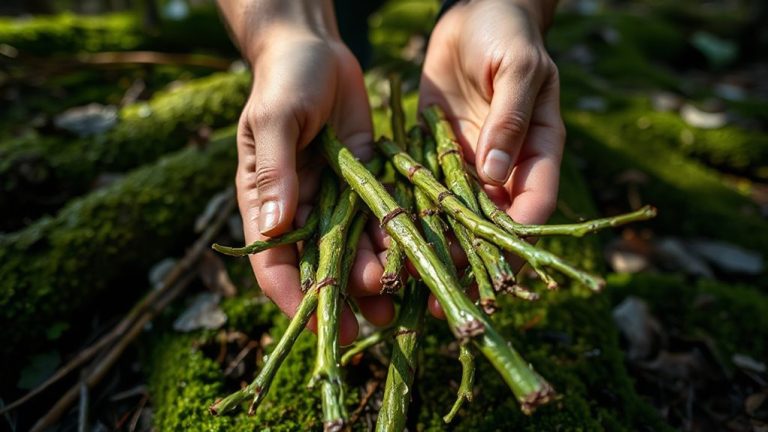
A staple in the herb garden of any serious outdoor cook, savory offers more than just flavor-it’s a hardy, low-maintenance companion that delivers fresh yields all year. You’ll find both Winter and Summer savory easy to grow, though they perform differently across seasons. Winter savory is a perennial, staying evergreen and harvestable even in January, especially in temperate zones. It thrives in full sun and well-drained soil, and you can propagate it through root division or layering for a continuous supply. Summer savory, while an annual growing 30 to 60 cm tall, delivers peak flavor when harvested before flowering. Both types are ideal for fresh or dried use, ensuring your herb garden supports year-round culinary needs. With minimal care, savory proves reliable, robust, and essential for any outdoor cooking enthusiast seeking depth and tradition in flavor.
Best BBQ Bean Recipes Using Savory
Several of the most satisfying BBQ bean recipes rely on savory to build depth and complexity, with winter savory’s peppery, resinous notes standing up well to long cooking times and strong flavors like smoked ham hock or molasses. You’ll find summer savory shines in lighter dishes, like baked beans with a Southern twist, where its sweet, delicate essence enhances without overpowering. When you blend both varieties into herbes de Provence, you create a robust seasoning ideal for European-inspired BBQ beans. Try sprinkling sharena sol on finished dishes for a smoky, herbal lift that deepens flavor and aids digestion.
| Recipe | Why It Works | Emotion It Evokes |
|---|---|---|
| Smoked Ham & Navy Bean Stew | Winter savory withstands slow cooking | Comfort |
| Southern Baked Beans | Summer savory balances sweetness | Nostalgia |
| Provence-Style BBQ Beans | Herbes de Provence adds elegance | Sophistication |
| Grilled Bean Skewers | Savory prevents bean breakdown | Joy |
| Grandma’s Bean Soup | Sharena sol boosts umami | Belonging |
On a final note
You’ll find savory enhances BBQ beans with its earthy, peppery notes, cutting through richness while aiding digestion-especially helpful with heavy meals. Summer savory’s lighter profile suits fresh, outdoor cooking, while winter’s boldness stands up to slow-smoked flavors. Either elevates beans from side to centerpiece. Growing your own guarantees peak potency. For consistent depth and practicality, savory isn’t just useful-it’s essential in serious backyard barbecue.