A Comprehensive Guide to Using an Indirect Cooking Method on a Pellet Grill
You’re using indirect cooking whenever you slow-smoke brisket or roast a whole chicken on your pellet grill, relying on convected heat and smoke instead of direct flame. Position food away from the fire pot, preheat fully, and keep the lid closed to maintain stable temps and boost smoke absorption. This method shines with tough cuts like pork shoulder and beef ribs, breaking down collagen over time. Quality pellets and a clean system prevent flare-ups and swings. You’ll see how precise control and hardwood smoke work together. There’s more to how setup impacts results than most realize.
Notable Insights
- Indirect cooking on a pellet grill uses convected heat and smoke to slowly cook food away from the direct heat source.
- Set up your grill by cleaning it, positioning the grate properly, and ensuring the drip tray is empty and clean.
- Preheat the grill fully and maintain stable temperatures using a digital controller and verified oven thermometer.
- Cook large cuts like brisket, pork shoulder, and whole chickens evenly by keeping the lid closed and monitoring internal food temperature.
- Avoid common mistakes by using quality pellets, preventing grease buildup, and ensuring proper probe placement and airflow.
What Is Indirect Cooking on a Pellet Grill?
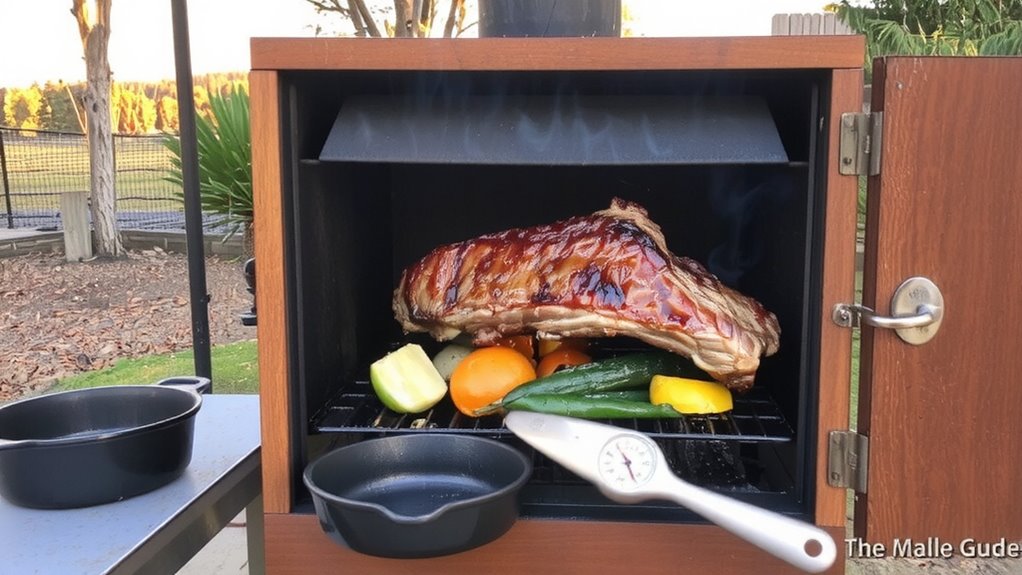
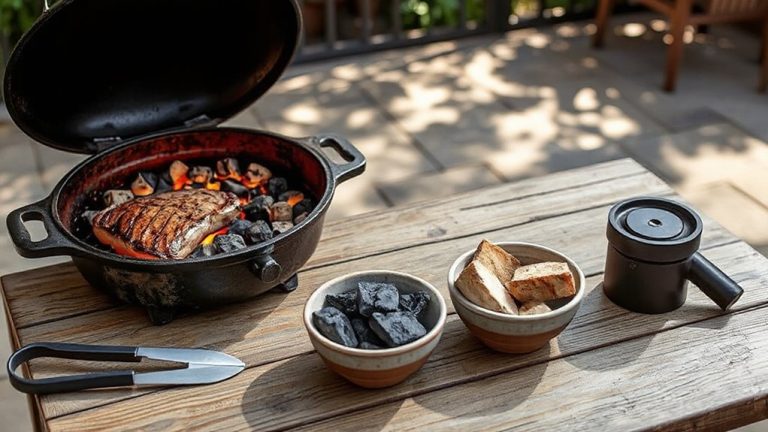
While direct heat sears food quickly over the flame, indirect cooking on a pellet grill means positioning your food away from the primary heat source, letting convected heat and smoke slowly cook it through. You’re not just heating food-you’re enabling deep smoke infusion and gradual flavor development that grilling directly can’t achieve. This method excels with large or dense cuts like brisket, pork shoulder, or whole chickens, where even, low-and-slow cooking prevents exterior charring while ensuring the interior reaches ideal doneness. Pellet grills enhance this process with consistent temperature control and hardwood smoke, elevating both aroma and taste. Unlike gas grills, they deliver authentic wood-fired character, making smoke infusion more pronounced and nuanced. For you, this means restaurant-quality results with minimal intervention. Indirect cooking isn’t just practical-it’s ideal for maximizing flavor development while preserving moisture and texture in slow-cooked dishes.
How to Set Up Your Pellet Grill for Indirect Heat
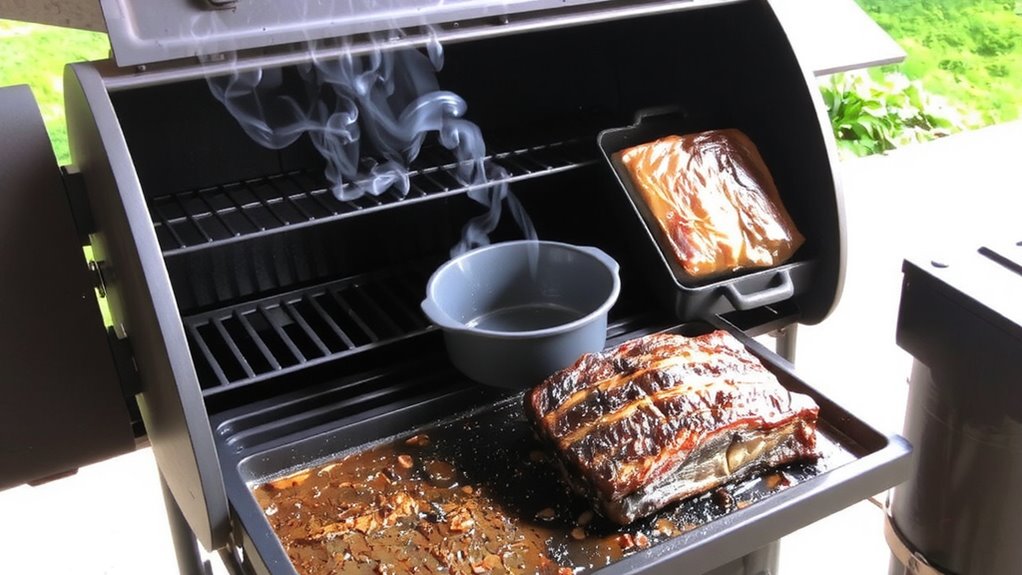
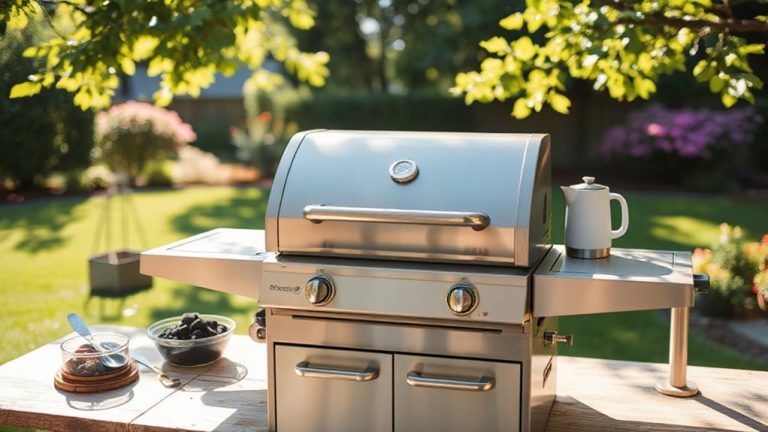
Since your pellet grill is designed to circulate heat evenly, setting it up for indirect cooking comes naturally-just make certain the grill is clean, the grease tray is in place, and the cooking grate is positioned so the food won’t sit above the fire pot. Proper grill maintenance guarantees consistent airflow and prevents flare-ups, both critical for indirect heat. Empty the drip tray and wipe down interior surfaces before firing up. Next, perform a quick temperature calibration; inaccuracies can cause uneven cooking, especially during long sessions. Most pellet grills use a digital controller, but placing a reliable oven thermometer inside helps verify actual cooking temps. You’ll want this precision when smoking briskets or roasting whole chickens. Skipping calibration may lead to undercooked centers or dried-out meat. A well-maintained, correctly calibrated grill gives you confidence in every cook, making your setup phase just as important as the cooking itself.
How to Cook Indirectly in 4 Simple Steps
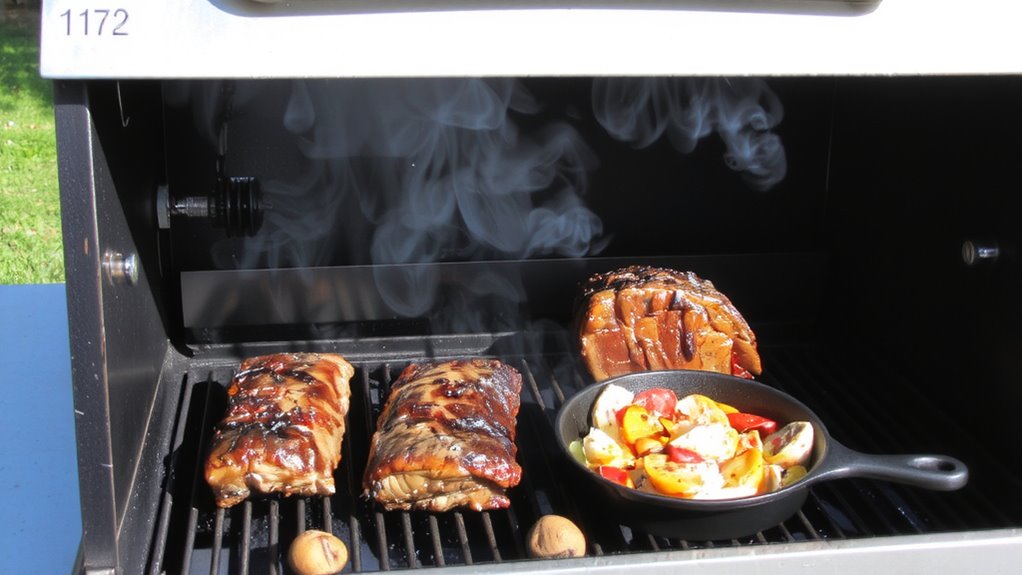
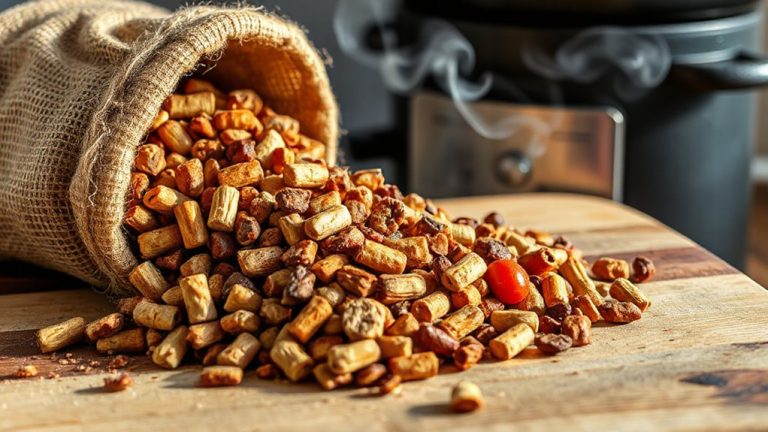
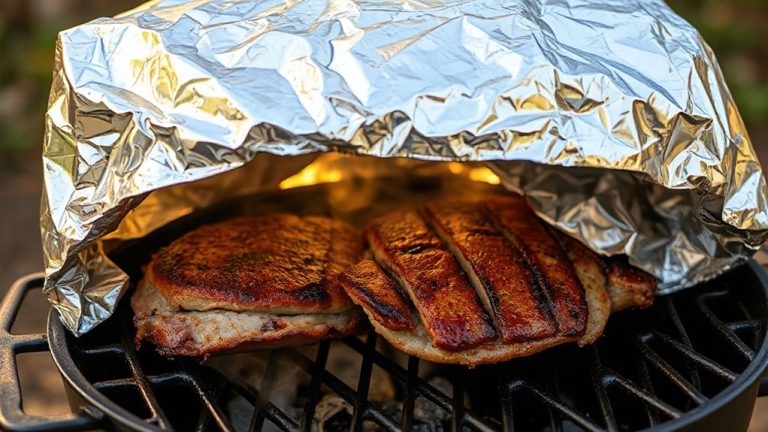
Once your pellet grill is properly set up for indirect heat, you’re ready to get cooking-just fire it up and let it preheat to your target temperature, because skipping this step can throw off the entire cook. First, place your food on the cooking grate away from the heat source to guarantee even, gentle heat circulation. Second, keep the lid closed as much as possible to maintain stable temps and maximize smoke infusion. Third, monitor internal food temperature with a reliable probe-it’s the best way to avoid undercooking or drying out your meal. Finally, let your food rest before slicing to lock in juices. This method enhances flavor development over time, especially with slower cooks. Consistent airflow and quality wood pellets directly affect smoke quality, so don’t skimp on fuel. Indirect cooking isn’t just effective-it’s essential for control, precision, and the deep, layered taste true BBQ lovers want. Upgrading to one of the best pellet grills can significantly improve temperature stability and smoke consistency for superior results.
What Foods Are Best for Indirect Cooking?
When it comes to getting the most out of your pellet grill, you’ll find that indirect cooking really shines with larger, tougher cuts that benefit from low and slow heat. Smoked brisket is a prime example-its dense muscle fibers break down beautifully over hours of steady, indirect smoke, yielding tender, flavorful results you can’t rush. Pork shoulders, whole chickens, and beef ribs also respond exceptionally well, absorbing rich wood flavor without drying out. You can even cook delicate items like grilled vegetables indirectly; they caramelize gently without charring, retaining moisture and texture. Unlike direct searing, this method avoids flare-ups and delivers even doneness, making it ideal for foods that need time to develop depth. While not every meal demands long cooks, choosing the right items-like brisket or veggies-maximizes the advantages of indirect heat. It’s less about speed and more about precision, patience, and letting your grill do the work. For consistent results, consider using one of the best smokers designed specifically for maintaining stable temperatures over extended periods, such as those highlighted in reviews of top pellet grill models.
Fix Common Pellet Grill Indirect Cooking Mistakes
Why do some indirect cooks on a pellet grill come out dry or lack that rich, smoky depth you’re after? More often than not, it’s due to unnoticed mistakes in setup or operation. Flare ups, while less common in indirect cooking, can still occur if grease accumulates on the heat diffuser or drip tray-keep these areas clean to prevent sudden flames that char the outside while leaving the inside undercooked. Temperature swings are another culprit; they lead to uneven cooking and moisture loss. Make sure your grill’s seals are tight, the lid stays closed, and you’re using high-quality pellets that burn consistently. Don’t overload the hopper or expose it to moisture, as both can disrupt feed rates. Monitor the probe placement-too close to the element or too far from the meat skews readings. With steady airflow and proper preheating, you’ll minimize swings and maximize flavor. Beginners may also struggle with inconsistent results when unfamiliar with best electric smokers for beginners, which can offer more user-friendly controls and steady temperatures for those transitioning to pellet grilling.
On a final note
You’ve now mastered indirect cooking on your pellet grill, leveraging consistent low heat for tender, flavorful results. This method excels with large cuts like brisket or whole poultry, minimizing flare-ups while maximizing smoke penetration. Proper setup and temperature control are key. Though mistakes happen-like overcrowding or inaccurate probes-attention to detail improves outcomes. Indirect cooking isn’t just effective; it’s essential for serious outdoor BBQ, blending convenience with genuine craftsmanship.