Preserving Seasoning Integrity When Switching Between Savory and Sweet Recipes
You’re risking flavor contamination when switching between sweet and savory recipes without proper precautions. Residual sugars from rubs or glazes can burn and transfer, muddying clean taste profiles. Always wash your hands for 20 seconds-it removes oils and particles scrubbing misses. Use dedicated spoons: silicone or wood for sweet, stainless or plastic for savory. Clean bowls and tools immediately to prevent cross-contact. Store spices in labeled, airtight containers to preserve integrity. Keep ingredients in separate prep zones. Your grill’s flavor accuracy improves dramatically with these disciplined steps-there’s more to optimizing your setup than most realize.
Notable Insights
- Clean grills thoroughly at high heat to burn off residual sugars and prevent flavor carryover between sweet and savory cooking.
- Wash hands for 20 seconds with soap to remove lingering oils and seasonings before switching between flavor profiles.
- Use separate utensils-wooden or silicone for sweet, stainless steel or plastic for savory-to avoid cross-contamination.
- Immediately wash bowls and tools after use to eliminate sticky or fatty residues that can taint subsequent dishes.
- Store sweet and savory spices and ingredients in labeled, airtight containers to maintain purity and prevent flavor drift.
Why Mixing Sweet and Savory Flavors Goes Wrong
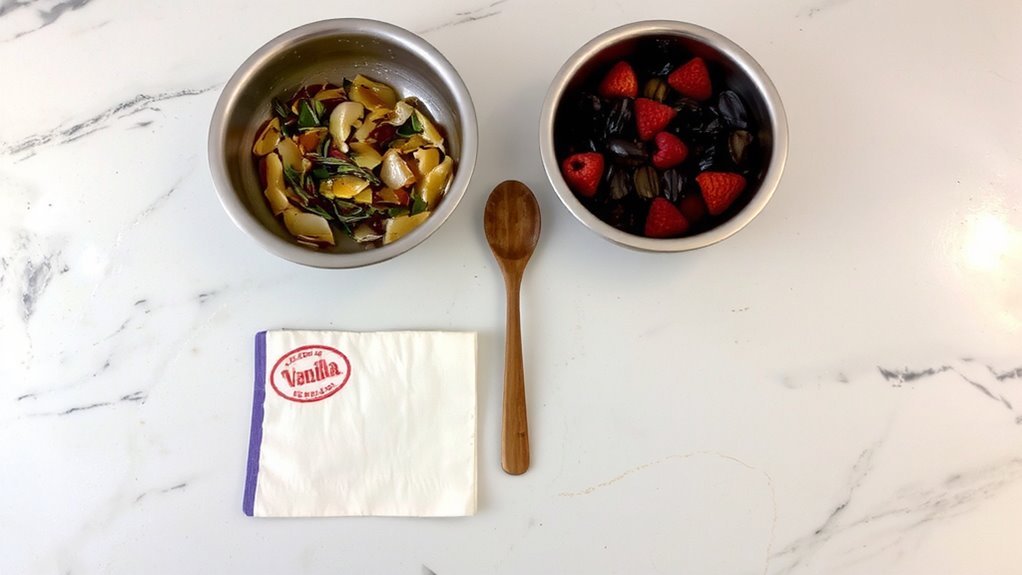
How is it that something as simple as combining sweet and savory can go so wrong on the grill? When you sear a maple-glazed ham right after cooking garlic-and-herb steak, you’re inviting flavor confusion. Residual sugars from sweet rubs caramelize and burn, creating a sticky buildup that clings to grates and subtly taints the next dish. That’s taste contamination-where lingering compounds transfer between foods, muddying clean flavor profiles. Even a thorough scrape won’t fully remove these microscopic residues, especially if the grill wasn’t preheated long enough to incinerate them. You might not notice at first, but that slightly off note in your chili-rubbed chicken? It’s the ghost of last night’s honey barbecue sauce. High-heat cooking intensifies these carryovers, making your savory dishes sweet-tinged and undermining seasoning integrity. To avoid this, dedicate zones or tools for sweet and savory, or plan your grilling order carefully. Prevention beats regret every time.
Wash Your Hands Before Switching Recipes
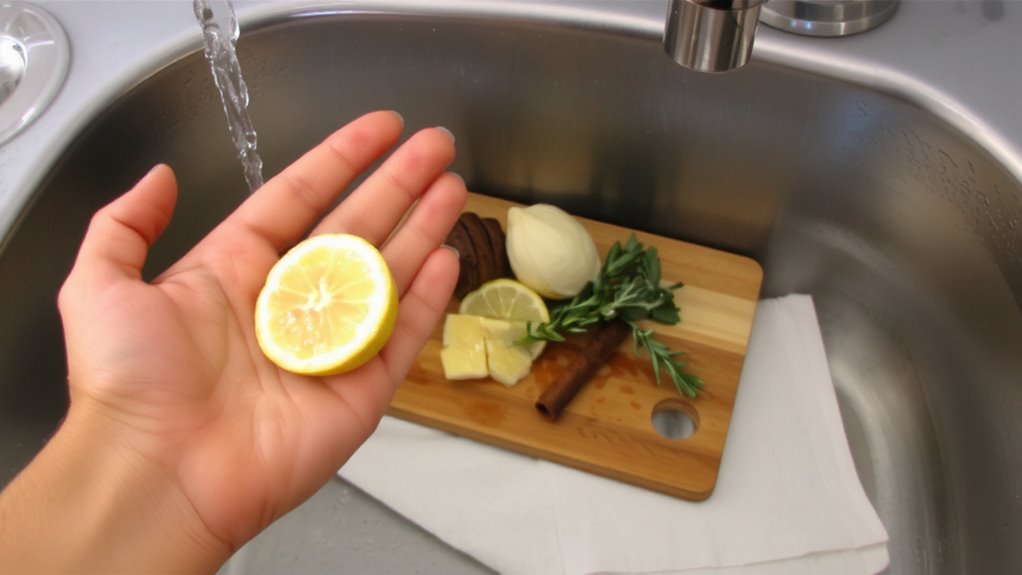
Skipping a quick hand wash between recipes might seem like a minor oversight, but it can seriously compromise your food’s flavor balance. Your hands retain trace oils, salts, and sugars even after wiping, creating cross contamination risks that alter taste and texture. Proper hand hygiene isn’t just about safety-it’s essential for preserving seasoning integrity. Residual vanilla from a dessert prep can clash with smoked paprika in a rub, throwing off the entire profile. In outdoor cooking, where precision matters just as much as heat control, unnoticed residue amplifies flavor flaws. You’re managing multiple components at once, and skipping this step undermines careful seasoning work. A 20-second rinse with soap removes invisible particles that utensils alone won’t catch. Establishing this habit guarantees consistency across dishes. Treat hand hygiene like knife maintenance-routine, non-negotiable, and critical to performance.
Use Separate Spoons for Sweet and Savory Dishes
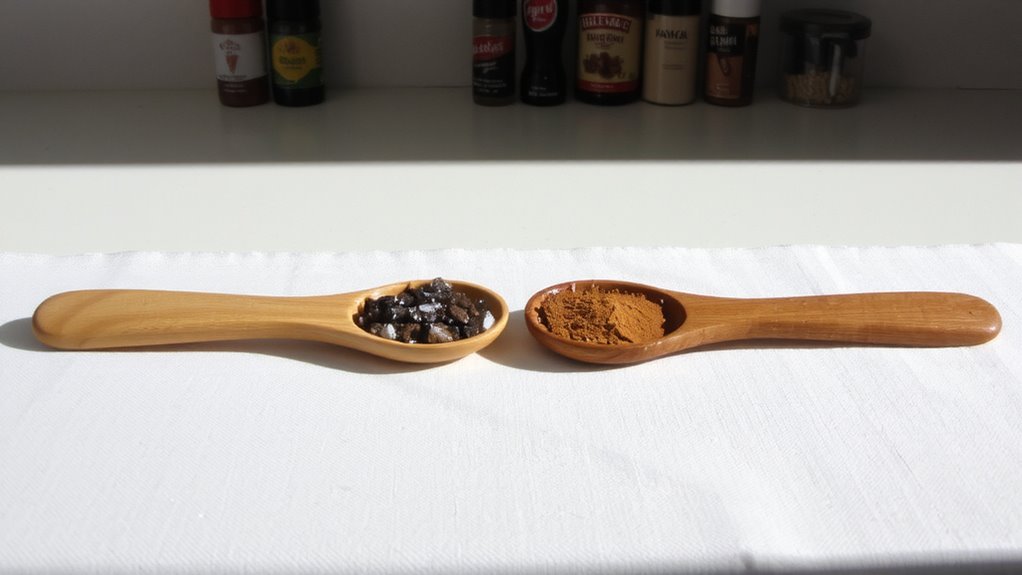
A dedicated spoon for sweet applications keeps your barbecue sauces and dessert glazes from undermining savory rubs and marinades. Using separate spoons minimizes cross contamination risks and prevents unintended flavor transfer issues that can compromise dish authenticity. Even trace residues from sugary mixes can alter the balance of a smoked brisket rub or spice blend. Here’s how designated utensils help:
| Spoon Type | Best For |
|---|---|
| Wooden (light) | Sweet glazes, dessert basting |
| Stainless (heavy) | Savory rubs, marinade stirring |
| Silicone (flexible) | Sticky sweet syrups |
| Plastic (rigid) | Dry savory seasonings |
| Bamboo | General sweet prep (non-reactive) |
You’ll maintain seasoning integrity and achieve cleaner flavor profiles. Over time, this small habit sharpens your outdoor cooking precision. No more muddled notes between honey-garlic sauce and smoked paprika blends-just consistent, intentional seasoning every time.
Scrub Bowls and Tools After Every Use
Even when time’s tight or the grill’s still hot, scrubbing your bowls and tools right after use keeps residue from hardening and cross-contaminating your next batch. Bowl residue, especially from sugary marinades or fatty rubs, can linger and subtly alter the flavor profile of subsequent dishes. Letting it sit invites bacteria and makes cleaning tougher. Tool cross contamination is just as risky-using a spatula coated in savory spice blend for dessert skewers can ruin the sweetness. A thorough wash with warm, soapy water dissolves sticky buildup and removes invisible flavor traces. Stainless steel bowls and silicone tools hold up best, resisting stains and odors. Immediate cleaning preserves material integrity and guarantees consistent results. It’s a small step with big impact on seasoning purity, especially when switching between flavor profiles. Don’t overlook it-your next dish depends on the care you take now.
Keep Sweet and Savory Ingredients in Separate Zones
Because flavor precision matters in outdoor cooking, keeping sweet and savory ingredients in separate zones isn’t just practical-it’s essential for maintaining seasoning integrity. When you practice ingredient segregation, you prevent unintended cross-contact that can ruin a dish’s balance. Think of it this way: honey from your glaze clinging to smoked paprika or brown sugar mingling with garlic salt alters outcomes fast. Flavor zoning isn’t about convenience; it’s about control. Designate one side of your prep station for savory components like rubs and brines, another for sugars, fruits, and dessert marinades. Use distinct trays or containers to reinforce the divide. This habit minimizes contamination during high-temp grilling or slow smoking, where subtle flavor shifts become magnified. With consistent flavor zoning, your recipes stay true, dish after dish. You’ll taste the difference when basil doesn’t accidentally sweeten your brisket-or cumin spoil your peach cobbler.
Store Spices in Labeled, Dedicated Containers
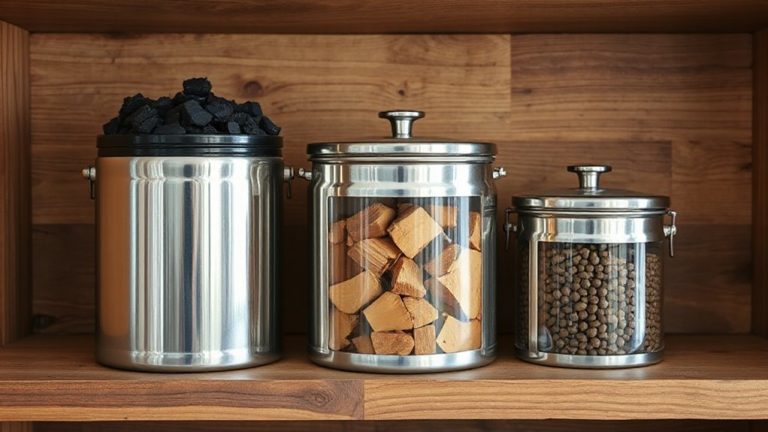
You’ve already set up separate zones to keep sweet glazes from tainting your savory rubs, so now it’s time to bring that same precision to your spice storage. Using labeled, dedicated containers prevents mix-ups and maintains aromatic integrity by shielding spices from moisture, heat, and light. When you store paprika meant for smoked brisket rubs in the same jar used for cinnamon sugar blends, you risk cross-contamination-ruining both flavor and texture. Clear, airtight jars with precise labels guarantee contamination prevention and extend shelf life. Over time, consistent organization pays off: you’ll season with more accuracy, waste less, and maintain recipe authenticity. For serious outdoor cooks, this isn’t just about neatness-it’s about performance. Proper storage supports reliable heat layers in dry rubs and balanced sweetness in finishing blends. Top-rated meat seasoning brands offer formulations that remain true to profile when stored correctly, enhancing your ability to switch between savory and sweet applications without flavor drift. Ultimately, the small effort of labeling and separating delivers measurable gains in control, flavor fidelity, and cooking confidence.
Sanitize Counters and Cutting Boards Between Batches
While cooking outdoors often emphasizes fire control and ingredient quality, what happens between batches can quietly make or break your results-especially when moving from raw meats to ready-to-eat items or switching between flavor profiles like smoked poultry and spicy sausages. You’ve got to sanitize counters and cutting boards thoroughly to minimize cross contamination risks, particularly when handling raw proteins. A simple wipe-down isn’t enough-use a food-safe sanitizer or a diluted bleach solution to guarantee pathogens are eliminated. This step is non-negotiable for safety, but it also supports flavor transfer prevention. Lingering oils or residues from prior batches can subtly taint desserts or mild dishes, undermining your seasoning integrity. Even durable surfaces like bamboo or plastic retain traces without proper cleaning. Make sanitizing a ritual between uses, not just between cooks. It preserves both hygiene and taste precision, letting each dish reflect only the flavors you intend.
On a final note
You’ve seen how cross-contamination alters flavor profiles, so maintaining separation isn’t just careful-it’s essential. Using dedicated tools and zones preserves each dish’s intended taste, especially when switching from garlic-heavy rubs to vanilla-scented batters. Sanitizing surfaces and storing spices correctly prevents lingering residues. These steps guarantee your BBQ brisket stays robust and your apple crisp remains delicately sweet-without compromise. Proper cleanup and organization aren’t optional; they’re foundational to consistent, high-quality results.