The Role of Dried Mustard Seeds in Fermented BBQ Sauces
You’re using dried mustard seeds not just for heat, but for their natural antimicrobial compounds that suppress unwanted bacteria and help lactic acid bacteria dominate. They stabilize fermentation, enhance flavor complexity, and add sharp, earthy depth that blends well with garlic, chili, and vinegar. Proper hydration activates enzymes that speed up ferment onset, especially in fluctuating outdoor temperatures-giving you a more consistent, safer ferment with balanced tang and spice. The right seed choice shapes your sauce’s final character. There’s more to how timing and technique refine this process.
Notable Insights
- Dried mustard seeds inhibit harmful bacteria, promoting a safe environment for beneficial fermentation in BBQ sauces.
- Their natural compounds lower pH and enhance texture, contributing to long-term ferment stability.
- Mustard enzymes accelerate sugar and protein breakdown, supporting rapid lactic acid bacteria dominance.
- Brown or black seeds add pungency, while yellow seeds offer mild tang, influencing flavor depth and fermentation pace.
- Proper hydration activates enzymes and microbes, essential for consistent fermentation and flavor development.
Why Dried Mustard Seeds Matter in Fermentation
Fermentation thrives on precision, and dried mustard seeds play a crucial role you might overlook. Their antimicrobial properties help suppress unwanted bacteria, giving your desired cultures space to flourish without contamination. You’re not just adding flavor-you’re shaping the ferment’s safety and stability. When crushed, the seeds release compounds that subtly alter pH and texture, influencing how the sauce develops over time. Plus, they contribute a sharp, earthy note that achieves real flavor synergy with garlic, chili, and vinegar common in BBQ profiles. You’ll notice the depth they lend isn’t just background; it integrates with fermentation byproducts to create a more complex, layered taste. In practice, even a small amount can shift the balance of your final product. For backyard fermenters crafting small-batch sauces, this makes dried mustard seeds less of a spice and more of a functional ingredient-essential, not optional.
How Mustard Seeds Kickstart the Ferment
While you’re layering flavors in your fermented BBQ sauce, don’t overlook how dried mustard seeds actively jump-start the process the moment they hit the brine. Their natural compounds trigger enzymatic activation, breaking down sugars and proteins to create a favorable environment for fermentation. You’re not just adding tang-you’re enabling microbial synergy that helps beneficial bacteria outcompete unwanted microbes. This early advantage guarantees a faster, more consistent ferment, which is essential when you’re aiming for depth of flavor without risking spoilage. Mustard seeds don’t ferment themselves, but they set the stage, much like a primer coat on wood. Their role is subtle but strategic, supporting lactic acid bacteria from day one. In outdoor cooking, where temperature swings can disrupt fermentation, this head start proves invaluable. You’ll notice smoother flavor development and fewer stalled batches. It’s one of those small moves that experienced fermenters rely on-not for flash, but for reliability.
Choosing the Right Mustard Seeds for BBQ Sauce
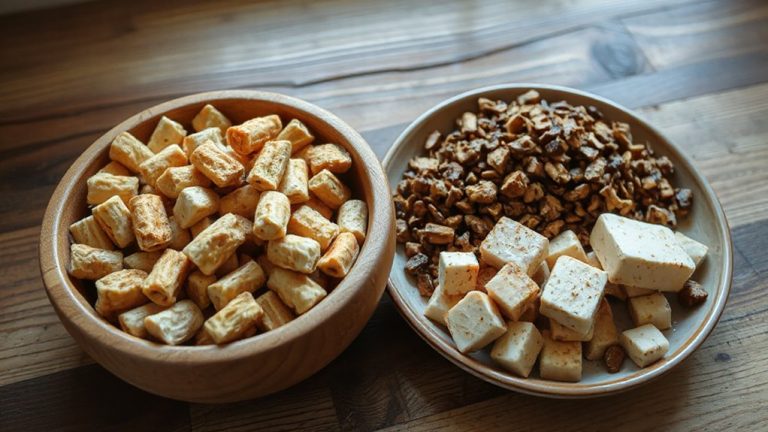
What makes one mustard seed better than another when you’re building a fermented BBQ sauce from scratch? It comes down to flavor profile and seed sourcing. Yellow mustard seeds offer a mild, slightly tangy note, perfect if you want heat to build slowly. Brown or black seeds pack more punch, delivering a sharp, pungent kick that shapes a bolder sauce. Your choice直接影响 how the fermentation progresses and how the final sauce layers with smoke and spice. Sourcing matters-seeds from reputable suppliers are more likely to be fresh, free of contaminants, and consistent in performance. Old or poorly stored seeds lose their enzymatic potency, weakening fermentation. You want vibrant, aromatic seeds that haven’t been sitting in a warehouse for years. For balanced depth, many pitmasters prefer a blend-brown seeds for complexity, yellow for mellow foundation. Choose wisely; the right seed doesn’t just add flavor-it anchors the entire ferment.
Preparing Mustard Seeds for Fermentation
Since mustard seeds are dormant until activated, you’ll need to rehydrate them properly to kickstart enzymatic activity essential for fermentation. Begin with thorough seed hydration by soaking the dried seeds in room-temperature water for at least 12 hours. This swelling process softens their tough outer layer, allowing microbes better access to internal nutrients. For consistent results, maintain strict temperature control-ideally between 68°F and 72°F-throughout soaking and inoculation. Cooler temps slow hydration and delay fermentation onset, while excessive heat risks damaging cellular structures. Use filtered water to prevent chlorine interference with native microbes. Stir the mixture occasionally to promote even water absorption and prevent clumping. Properly hydrated seeds should nearly double in size, indicating they’re ready for the next step. Accurate preparation guarantees reliable microbial performance, forming a stable base for complex flavor development later.
How Fermentation Deepens Mustard Seed Flavor
Once the mustard seeds have absorbed enough water and begun to activate, you’ll notice how fermentation transforms their sharp, one-dimensional heat into a layered, tangy depth that raw seeds can’t achieve. This process drives a profound flavor transformation, mellowing pungency while enhancing complexity. As microbes break down compounds, aromatic development unfolds, releasing subtle nutty, earthy notes that blend seamlessly into BBQ sauces. You’re not just adding heat-you’re building depth that evolves on the palate.
| Stage | Sensory Change |
|---|---|
| Raw Seeds | Sharp, volatile heat |
| 24 Hours | Milder bite, faint tang |
| 72 Hours | Rich umami, rounded acidity |
| Final Sauce | Integrated spice, aromatic depth |
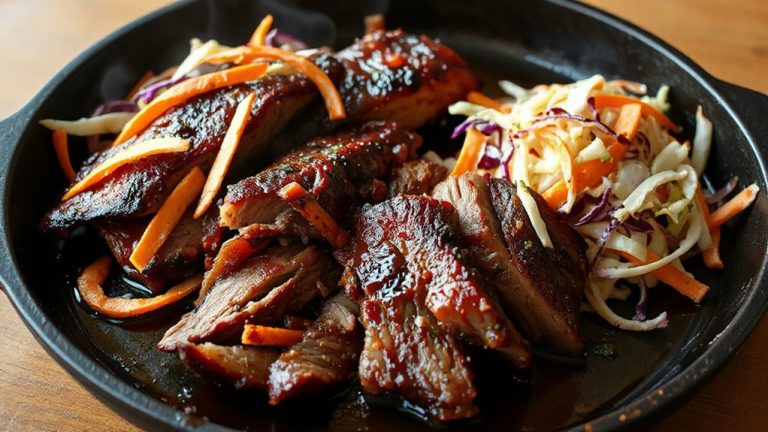
This transformation elevates your sauce from simple condiment to a nuanced element that complements slow-smoked meats beautifully.
Mustard Seed Fermenting Mistakes to Avoid
How could something as simple as soaking mustard seeds go so wrong? You might think fermentation is foolproof, but overlooking key steps leads to off-flavors or spoilage. One major issue is overfermentation risks-leaving seeds too long in brine produces excessive tang, overpowering your BBQ sauce’s balance. You’ll want to monitor the process closely, usually capping fermentation at 7–10 days, depending on temperature. Another concern is contamination prevention; using non-sterile jars or unwashed tools invites mold or unwanted bacteria. Always sanitize your equipment and use filtered water to avoid chlorine interference. Also, guarantee the seeds stay fully submerged to limit surface yeast growth. While patience deepens flavor, rushing or neglecting hygiene compromises results. With careful attention, fermented mustard seeds enrich sauces reliably, adding complexity without fault. Done right, they elevate your outdoor cooking with robust, tangy depth.
On a final note
You’ll find dried mustard seeds aren’t just flavor-they’re functional, boosting fermentation and complexity in your BBQ sauce. They release enzymes that kickstart microbial activity, deepening tang and aroma over time. When prepared correctly, they enhance texture and heat without bitterness. Choosing the right variety and avoiding common missteps guarantees consistent results. For serious outdoor cooks, integrating fermented mustard seeds isn’t a gimmick-it’s a proven upgrade, lending balance, depth, and a subtle bite that sharpens the finish of slow-smoked meats.