Choosing Between Pure Hardwood and Blended Pellets Based on Protein Type
You should choose pure hardwood pellets for delicate meats like chicken or fish, as they deliver clean, consistent smoke and prevent overpowering flavors. Blended pellets work better for bold proteins like brisket or pork shoulder, where layered wood profiles enhance depth and bark development. Smoke intensity and burn stability matter-pure hardwoods burn predictably, while blends can vary. Match your pellet to the meat’s richness for best results-you’ll discover even more precision with further exploration.
Notable Insights
- Use pure hardwood pellets for delicate meats like chicken and fish to ensure clean, mild smoke and consistent burns.
- Choose blended pellets for bold proteins such as brisket and pork shoulder to enhance flavor complexity and bark development.
- Avoid softwood-heavy blends with delicate meats to prevent bitter, harsh smoke from uneven combustion.
- Match smoke intensity to protein: hickory or mesquite for beef, apple or cherry for poultry.
- Store pellets properly in sealed, dry containers to maintain burn quality and flavor consistency across all protein types.
Why Pellet Choice Changes Your Meat’s Flavor
While the grill does the cooking, it’s the pellets that shape the character of your meat’s flavor, and choosing the right type matters more than most realize. You’re not just fueling the fire-you’re controlling smoke density and enabling wood fusion, both of which directly impact taste. Blended pellets often mix hardwoods with fruitwoods or softwoods, altering burn consistency and smoke output. That affects how deeply the flavor penetrates your protein. Pure hardwoods deliver a clean, predictable smoke, but blends can offer complexity-if balanced right. Too much softwood increases smoke density too quickly, risking bitterness. The right wood fusion enhances without overwhelming, especially with bold meats like beef or game. You’ll notice the difference in both aroma and finish. It’s not just preference-it’s chemistry. Matching pellet composition to protein type guarantees the smoke complements, not contaminates. Your choice sets the tone. For best results, consider the Best Smoking Wood Picks based on meat type and desired flavor profile.
Why Pure Hardwood Pellets Suit Delicate Meats
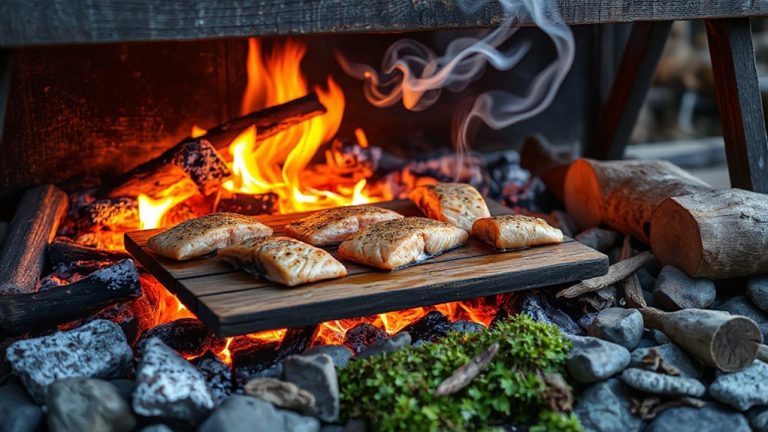
Because delicate meats like chicken, turkey, and fish absorb smoke more quickly and intensely, you’ll want a clean, consistent burn that won’t overpower their subtle flavors-this is where pure hardwood pellets really shine. Their uniform wood density guarantees a steady burn rate, delivering a smooth, predictable smoke profile without sudden surges of flavor. You’re not just avoiding bitterness; you’re gaining control. Pure hardwoods also offer superior moisture retention during combustion, which helps maintain stable grill temperatures-critical when cooking lean proteins that dry out easily. Unlike blends, they don’t contain softwoods or fillers that can introduce harsh resins or uneven burns. This means fewer off-notes and a cleaner taste, letting the natural flavor of the meat come through. For precise, refined results with sensitive cuts, pure hardwood pellets don’t just perform-they elevate. It’s not just about fuel choice; it’s about consistency, quality, and respect for the craft. One of the top picks for chicken is hickory, known for its balanced smokiness that complements poultry without overwhelming it.
When Blended Pellets Enhance Bold Proteins
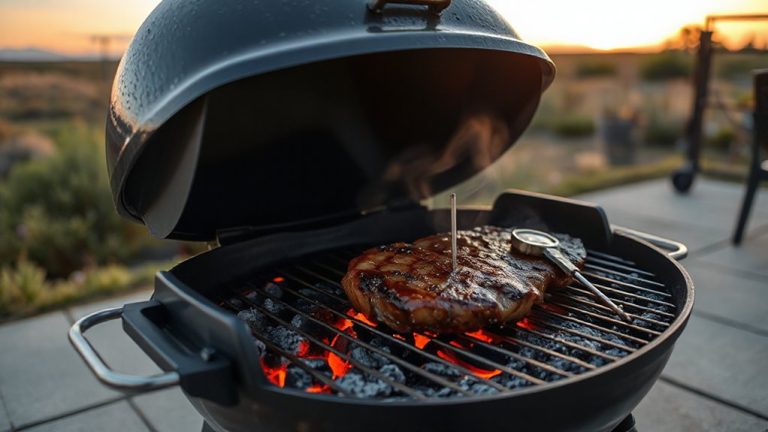
You’ve seen how pure hardwood pellets bring out the best in delicate meats, offering clean smoke and steady heat for subtle flavors. Now consider bold proteins like beef brisket, pork shoulder, or game meats-these stand up to and even thrive with blended pellets. When you’re chasing rich smoke balance and deeper flavor depth, blends that mix hardwoods with fruitwoods or a touch of mesquite deliver complexity without overwhelming. The synergy of different woods amplifies savory notes, enhancing bark development and overall profile. You’re not just adding smoke-you’re layering character. Blended pellets often burn hotter and more efficiently, giving you consistent results during long cooks. For robust proteins that demand more than a one-note smoke, these blends aren’t just practical-they’re an upgrade. You’ll notice the difference in both aroma and taste. For serious flavor depth and balanced smoke, blended pellets are your best bet with heavier cuts. When smoking prime rib, consider using best pellets for smoking prime rib to achieve optimal flavor and smoke penetration.
How Smoke Intensity Shapes Flavor
Why does some smoke taste sharp and overpowering while other sessions yield a smooth, savory depth? It comes down to smoke density and wood combustion. Pure hardwood pellets burn hotter and more consistently, giving you denser smoke with bold character-great for strong flavors. Blended pellets often moderate combustion, producing lighter smoke that won’t overwhelm delicate profiles. Your grill’s temperature and burn rate directly affect how smoke develops, so consistent wood combustion is key. Below is how smoke traits vary:
| Pellet Type | Smoke Density | Flavor Outcome |
|---|---|---|
| 100% Hickory | High | Robust, peppery |
| Hickory-Maple | Medium | Balanced, slightly sweet |
| 100% Cherry | Medium-Low | Fruity, mild |
| Oak-Alder Blend | Low-Medium | Subtle, clean |
| Mesquite | Very High | Intense, earthy |
Adjust your fuel to match your desired smoke intensity.
Best Pellet and Protein Pairings for Chicken, Beef, Pork, and Fish
While certain woods can overpower delicate meats or fall flat on richer cuts, matching pellet type to protein guarantees each dish develops the right depth and character. For chicken, mild fruitwoods like apple or cherry work best-clean burn, subtle sweetness, and a moderate smoke duration prevent bitterness. Beef stands up to bold blends: hickory or mesquite add robust, smoky punch without overwhelming. Pork’s natural richness pairs perfectly with pecan or a hickory-cherry mix, balancing sweetness and earthiness. Fish? Stick to alder or maple; their light smoke complements delicate flesh without drying. Smoke duration matters-long cooks need consistent pellet quality, so proper pellet storage is key. Keep bags sealed, cool, and dry to avoid moisture absorption, which causes jams and uneven burns. Pure hardwoods offer cleaner flavor profiles, while quality blends expand versatility. Choose wisely: the right pairing elevates every bite, ensuring reliable performance and standout results on the grill.
On a final note
You’ll get cleaner, subtler smoke with pure hardwood pellets, ideal for chicken and fish that need delicate enhancement. Blended pellets, with added fruit or mesquite, deliver bolder flavor suited to beef and pork. Smoke intensity matters-too strong overwhelms, too light falls flat. Your pellet choice directly shapes flavor depth and aroma, so match it to the protein. Smart pairing improves results every time.