Cooking Whole Fish on a Hibachi Grill Using Cedar Planks
You’ll get excellent results grilling whole fish on a hibachi with a cedar plank-it combines indirect heat control with rich, aromatic smoke. Choose a firm, 2–4 pound fish like trout or salmon, and prep it by scoring the skin and seasoning the cavity. Soak a 1/2- to 3/4-inch cedar plank for 1–2 hours to prevent burning. Place it over glowing coals at 350°F, away from direct flame. The plank shields the fish, locks in moisture, and imparts a delicate, wood-infused flavor. There’s more to mastering the technique.
Notable Insights
- Use indirect heat on a hibachi with glowing coals to prevent flare-ups and ensure even cooking.
- Soak a 1/2- to 3/4-inch cedar plank for 1–2 hours to prevent charring and promote steady smoke.
- Select a whole fish between 2 and 4 pounds, like salmon or trout, for optimal plank fit and flavor.
- Score the fish skin and season cavity and surface to enhance heat penetration and flavor distribution.
- Place the fish on the soaked plank over indirect heat, avoiding flames to gently cook and infuse smoky aroma.
Why Cedar Plank Grilling Elevates Whole Fish
While you might think grilling whole fish directly over heat gives you the best results, cooking it on a cedar plank actually brings out richer flavors and keeps the fish intact without falling apart. The indirect cooking method prevents flare-ups while the wood slowly smolders, creating a steady smoky aroma that surrounds the fish. This process allows for consistent flavor infusion, as the fish absorbs the essential oils released from the heated cedar. Unlike direct grilling, where delicate flesh often sticks or overcooks, the plank acts as a barrier, regulating temperature and moisture. You’ll notice the texture stays tender, almost steamed, while the exterior gains subtle complexity. Cedar’s natural resins enhance the profile without overpowering it, making each bite more aromatic and layered. This technique also simplifies handling-no flipping required. For those prioritizing depth of flavor and structural integrity, cedar plank grilling proves superior in both performance and ease. Choosing high-quality planks makes a noticeable difference, and opting for best cedar planks ensures optimal smoke and durability.
Choose The Best Fish For Cedar Plank Grilling
The ideal fish for cedar plank grilling strikes a balance between firmness, size, and fat content-qualities that guarantee it holds up under prolonged exposure to indirect heat while absorbing the wood’s aromatic smoke. When making your fish selection, opt for whole fish like salmon, trout, Arctic char, or branzino-they’re sturdy enough to stay intact and rich enough to complement the cedar’s subtle smokiness. Leaner varieties can dry out, while overly soft fish may flake apart. Size matters, too; a 2- to 4-pound fish fits most planks and cooks evenly. Consider flavor pairing: oily fish embrace the resinous notes of cedar, creating a harmonious blend, while milder species benefit from a light marinade to enhance depth. Your choice shapes the final taste and texture, so pick wisely-this isn’t just about availability, but how well the fish performs under the unique demands of plank grilling.
Prep The Whole Fish For The Plank
Start by rinsing the whole fish under cold water and patting it dry with paper towels-cleaning it thoroughly guarantees any residual scales or slime are removed, which helps the seasoning adhere better and promotes even cooking. Once dry, use a sharp knife to make shallow diagonal cuts across the skin, a technique known as skin scoring; this allows heat to penetrate evenly and gives fish seasoning deeper access to the flesh. Apply your preferred fish seasoning generously inside the cavity and over the surface, guaranteeing balanced flavor distribution.
| Aspect | Benefit |
|---|---|
| Skin scoring | Improves heat penetration and seasoning absorption |
| Even seasoning | Enhances flavor without overpowering natural taste |
| Thorough drying | Prevents steaming, ensures better sear |
| Cavity prep | Allows internal seasoning and airflow |
| Surface prep | Promotes uniform cooking on the plank |
Soak The Cedar Plank Right
You’ve prepped the fish properly-scaled, scored, and seasoned-so now it’s time to turn your attention to the plank that’ll carry those flavors. Plank thickness matters: aim for 1/2 to 3/4 inch. Thinner planks may burn too fast, while thicker ones resist warping and sustain smoldering longer. You’ll need to soak it in water for at least one to two hours-this soaking duration is essential. A fully saturated plank won’t ignite prematurely on the hibachi’s radiant heat, and it’ll produce steady, aromatic steam. Some swear by adding wine or beer to the soak, but plain water reliably controls flare-ups and guarantees even cooking. Don’t skip this step-dry planks risk charring, which can overwhelm the fish with bitterness. Proper soaking extends the plank’s usability and enhances flavor transfer. For consistent outdoor grilling results, treating the plank with patience pays off in moisture, stability, and clean smoke.
Grill The Fish Step By Step On A Hibachi
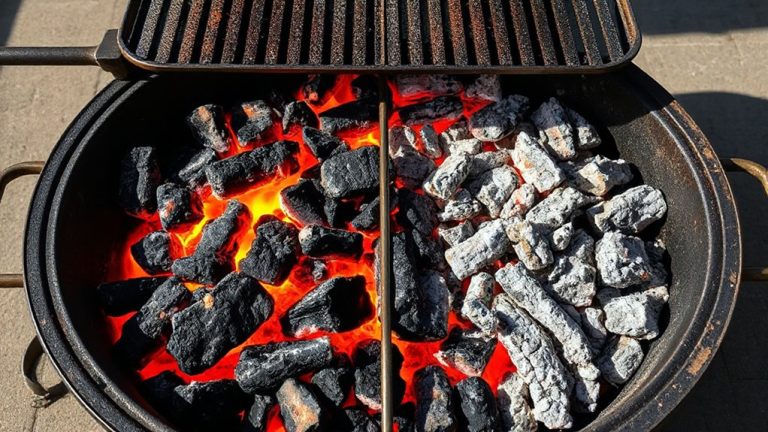
Once the cedar plank’s fully soaked and your hibachi has built up a steady bed of glowing coals, it’s time to set the stage for even, smoke-kissed cooking. You’ll want solid grill temperature control-aim for medium heat, around 350°F-so the plank smolders rather than flares. Place the fish on the plank away from direct flames to prevent charring. Your plank placement technique matters: position it parallel to the grates, centered over indirect heat, ensuring stability and even exposure. The hibachi’s compact size helps concentrate smoke, intensifying flavor without drying the fish. Watch for excessive flame-up; if flare-ups occur, adjust coal position or dampen airflow slightly. Maintaining steady heat and proper positioning allows the wood to release aromatic steam gradually, gently poaching the fish while infusing it with cedar essence. This method outperforms open-flame grilling by balancing moisture retention and smoky depth. For best results, choose one of the top hibachi grills known for consistent heat distribution and durable construction.
Plate With Style: Serve Cedar-Planked Fish Like A Pro
Now that your cedar-planked fish has finished cooking over the hibachi’s steady heat, releasing wisps of aromatic smoke as it gently poached in its own moisture, attention shifts from technique to presentation. Transfer the plank directly to a serving platter-it’s rustic, functional, and keeps the fish warm. Garnish creatively: think bright lemon wheels, fresh dill sprigs, or microgreens for contrast and color. A light drizzle of olive oil or herb-infused butter enhances shine and flavor without masking the wood-smoked essence. The plank isn’t just a cooking surface; it’s part of the plate’s story. Pair wisely: balance the smokiness with grilled asparagus, citrusy quinoa, or a crisp cucumber-dill salad. Avoid heavy sides that compete. Serve immediately while aromas are vibrant. This method isn’t just practical-it elevates outdoor cooking into something refined, showcasing fire, wood, and patience on a single, unforgettable plate.
On a final note
Grilling whole fish on a cedar plank over a hibachi delivers flavor and moisture you’d struggle to achieve otherwise. The smoldering wood imparts a subtle, aromatic smoke while protecting the delicate flesh from drying out. You’ll notice cleaner searing and easier handling versus direct grilling. It’s efficient, enhances taste, and simplifies cleanup-ideal for backyard cooks seeking restaurant-quality results. With proper prep and plank soaking, this method consistently performs, making it a smart upgrade to any outdoor cooking routine.