How to Achieve Smoky Flavor on a Gas Grill Without a Smoker Box
Choose hardwoods like hickory, apple, or cherry for clean, flavorful smoke and skip softwoods like pine, which release harmful compounds. Soak the chips for 30 minutes if you want slower smoke, but dry chips ignite faster and deliver a cleaner burst. Wrap them in a foil pouch with a few holes, then place it over a lit burner to smolder. Keep the lid closed and maintain thin, blue smoke-this means you’re getting ideal flavor. Replenish every 30 to 45 minutes for consistent results. There’s more to mastering smoke control than just the method.
Notable Insights
- Use hardwood chips like hickory, mesquite, or fruitwoods for clean, flavorful smoke on a gas grill.
- Skip soaking wood chips to ensure faster ignition and a more consistent, clean-burning smoke.
- Create a foil pouch with heavy-duty aluminum foil and poke small holes to allow smoke to escape gradually.
- Place the foil pouch directly over a lit burner to initiate smoldering and maximize smoke production.
- Replenish wood chips every 30–45 minutes and maintain thin, blue smoke for optimal flavor infusion.
Pick the Right Wood for Gas Grill Smoke
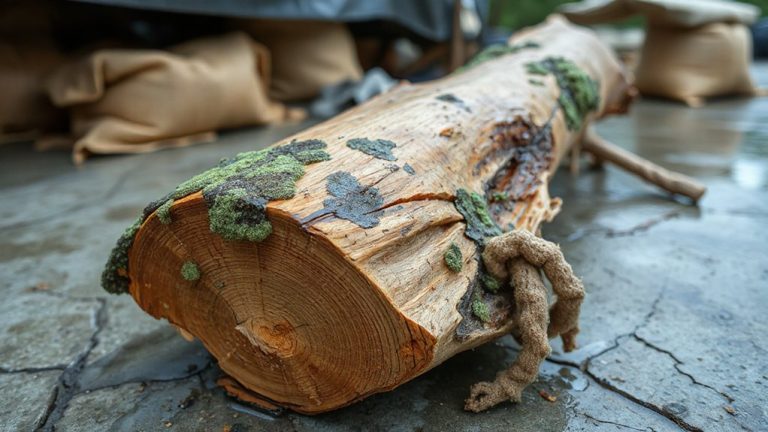
You’ll want to choose your wood carefully since not all types deliver the same kind of smoke flavor or burn efficiently on a gas grill. Wood selection directly impacts both smoke intensity and cooking performance. Hardwoods like hickory, mesquite, and apple burn cleaner and longer than softwoods, which can create bitter, acrid smoke. Hickory offers a bold, bacon-like punch ideal for beef or pork, while fruitwoods like cherry or apple lend a mild, sweet note perfect for poultry or fish. Alder works well for delicate items like salmon. Proper flavor pairing guarantees the smoke enhances, not overpowers, your food. Oak is a versatile middle ground-moderate in flavor and reliable in heat tolerance. Avoid resinous woods like pine, as they release harmful compounds. Matching wood type to protein and cooking time isn’t just preference-it’s essential for balanced results. Smart wood selection transforms your gas grill into a capable smoking tool. For more guidance, check out top-rated options in the best smoking wood picks.
Soak Wood Chips for Long-Lasting Smoke
Many backyard cooks soak wood chips before grilling, believing it extends smoke duration and improves flavor control. While the practice is common, its effectiveness is debated. Soaked chips do produce smoke more slowly because the water must evaporate before the wood can smolder, which can lead to a longer visible smoke output. However, this doesn’t always translate to better flavor infusion. Excess moisture may delay combustion, causing inconsistent smoke and potentially wasting chips. Dry wood typically ignites faster and delivers a cleaner, more immediate smoke burst, enhancing flavor infusion early in the cook. For thicker cuts requiring extended grilling, soaked chips might help sustain smoke duration, but only if managed carefully. Ultimately, results depend on your grill’s temperature and airflow. While soaking can moderate burn rate, it’s not essential for strong, smoky results-smart placement and chip quality matter more. Choosing the right type of wood, such as best wood chips for smoking, can significantly impact the depth and quality of the smoky flavor.
Make a Ventilated Foil Pouch
While soaking wood chips gets a lot of attention, getting smoke into your food often depends more on how you deliver it than how long you let the chips soak. You’ll need a sturdy, ventilated foil pouch to let smoke escape while containing the chips. Use heavy-duty foil-regular foil often tears or burns through, compromising foil durability. Lay the chips in the center, then fold the foil tightly into a sealed packet. Poke at least six small holes on top to allow smoke to escape without flattening the pouch. Proper pouch placement matters: position it so airflow reaches the packet evenly, but don’t place it directly where flames might flare. This design balances protection and permeability, ensuring gradual smoke release. A poorly constructed pouch can starve the fire or fail to emit enough smoke, so build it with care. The right setup means steady flavor, not guesswork. For a more durable and efficient option, consider using a dedicated smoker box designed to enhance smoke output on gas grills.
Place the Pouch Over the Heat
Once the grill reaches the right temperature, you can place the foil pouch directly over the heat source to initiate smoke production. Direct heat placement is key-it guarantees the wood chips heat quickly and begin smoldering rather than burning too fast. Position the pouch over a lit burner or flame, preferably near the center if using multiple burners, to promote even smoke distribution across the cooking surface. This strategic placement helps envelop your food in steady, aromatic smoke from the start. You’ll notice the smoke appear within minutes; a thin, blue stream indicates proper combustion. Avoid placing the pouch where flames can flare up, as this leads to uneven smoking and potential charring. Correct positioning not only maximizes flavor transfer but also improves cooking consistency. For best results, combine this technique with a closed lid to circulate smoke efficiently around your meat.
Maintain Steady Smoke for Best Flavor
If you want that rich, consistent smokiness prized in well-smoked meats, you’ve got to keep the smoke steady-not too heavy, not too light. Fluctuating smoke leads to uneven flavor consistency, leaving some bites overly acrid while others taste bland. To achieve ideal smoke duration, monitor your wood pouch carefully; replenish every 30 to 45 minutes depending on heat output. Too much smoke can overpower, but too little won’t penetrate the meat. A steady stream of thin, bluish smoke indicates proper combustion and best flavor development. Avoid thick, white plumes-they signal incomplete burning and bitter notes. Position the pouch directly over the burner for consistent heat exposure, ensuring continuous smoldering. Maintain grill temperature between 225°F and 250°F to balance smoke duration with cook time. This method reliably delivers deep, woody notes across the entire cut, making your gas grill perform like a true smoker with dependable flavor consistency.
On a final note
You’ve seen how simple swaps-like a foil pouch with soaked wood chips-can deliver authentic smoky flavor on a gas grill. This method works reliably, especially with hardwoods like hickory or apple, producing clean smoke without bitter notes. While it lacks the intensity of a dedicated smoker, it balances convenience and taste well. With proper airflow and steady heat, your results should be flavorful and consistent, making it a practical, accessible technique for weeknight dinners or weekend BBQs.