Bundling Birch Twigs Tightly for Slow Feed in Traditional Scandinavian Smoking
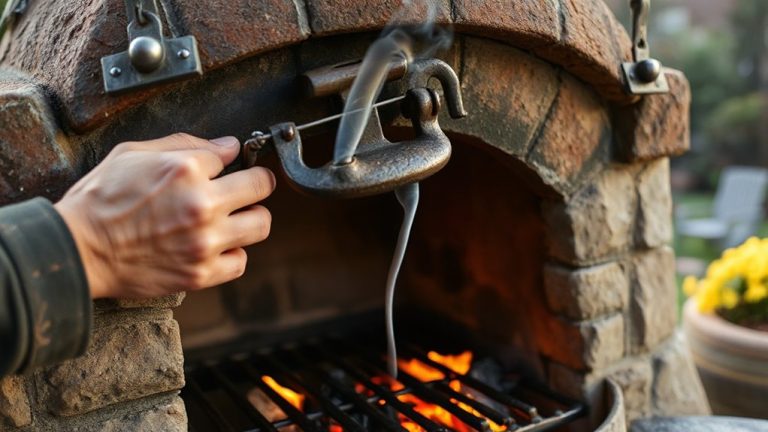
You’ll get better smoke control when you bundle birch twigs tightly-they burn slower and more evenly, giving you a steady, cool flow of rich, aromatic smoke. Tight bundles restrict airflow just enough to prevent flare-ups while extracting the sweet, resinous notes Scandinavian smoking is known for. Use fresh, dry twigs harvested in spring or fall, pack them densely, and secure both ends with heat-resistant cord. A well-made bundle lasts longer and burns cleaner. Next, discover how to prepare and use them for authentic results.
Notable Insights
- Harvest birch twigs in early spring or late autumn for low sap content and cleaner burns.
- Select 1–3 foot long, slender, flexible twigs from lower branches using sharp bypass pruners.
- Discard damaged or diseased twigs and align them evenly for consistent bundle density.
- Mix thin and thick twigs to minimize air gaps and form a tight 3–4 inch cylindrical bundle.
- Secure both ends with heat-resistant cord using tight double knots to maintain structure during slow smoldering.
How Tight Birch Bundles Improve Smoking
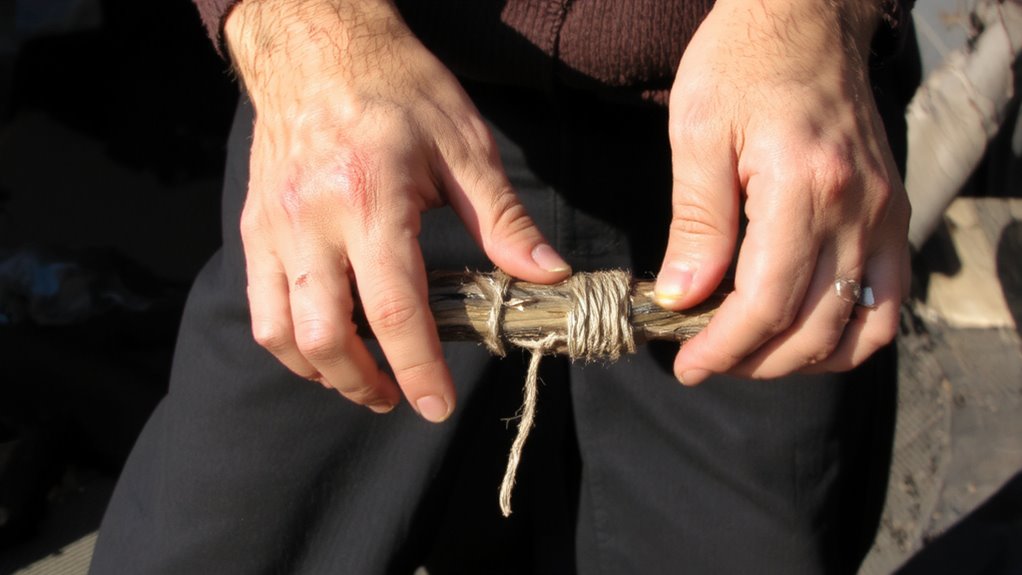
You’ve probably noticed how some smoking woods burn faster or produce uneven smoke, but when you bundle birch twigs tightly, something changes. The compressed structure slows combustion, delivering a more consistent feed into the fire. This controlled burn directly enhances smoke texture-you get a denser, silkier stream that clings smoothly to fish or meat. Loose twigs often create erratic puffs, but tight bundles maintain low, steady airflow, which stabilizes temperature and smoke output. That consistency also boosts flavor intensity; the prolonged smolder extracts more aromatic compounds from the birch’s sap and bark. You’re not just adding smoke-you’re layering nuanced, mildly sweet, and slightly resinous notes that define traditional Scandinavian smoking. From observation, tightly bound bundles last longer and require less tending, making them practical for long sessions. In performance, they outperform loose wood, offering superior control and depth you can taste.
How to Harvest Fresh Birch Twigs
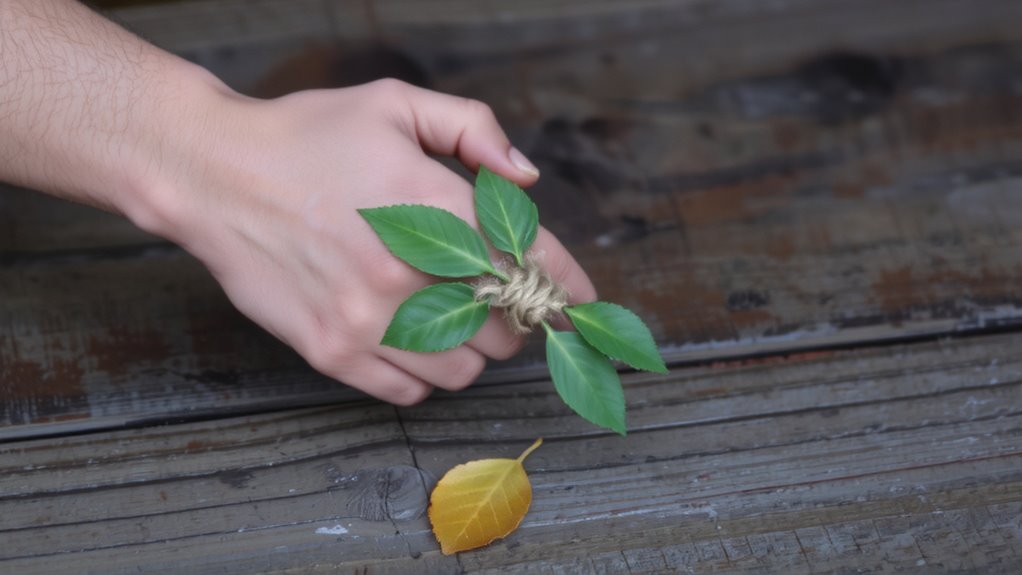
Timing and technique matter most when harvesting fresh birch twigs for smoking, since the quality of the wood directly influences burn behavior and flavor output. For best results, you should prioritize seasonal timing-early spring or late autumn, when sap flow is low, yields drier, cleaner-burning twigs. Harvesting during peak summer can introduce excess moisture, leading to erratic smoke and off-flavors. Your tool selection also plays a critical role: use sharp bypass pruners to make clean cuts, avoiding crush damage that can alter drying and combustion. Avoid shears or dull knives, as they compromise structural integrity. Select slender, flexible twigs from lower branches, ideally 1–3 feet long. These offer even burn rates and pack better later. Inspect for mold, pests, or damage-discarding compromised material guarantees purity in the smoke. Proper harvesting lays the foundation for consistent thermal performance and aromatic clarity when applied in traditional slow-smoking setups.
How to Build a Tight Birch Bundle
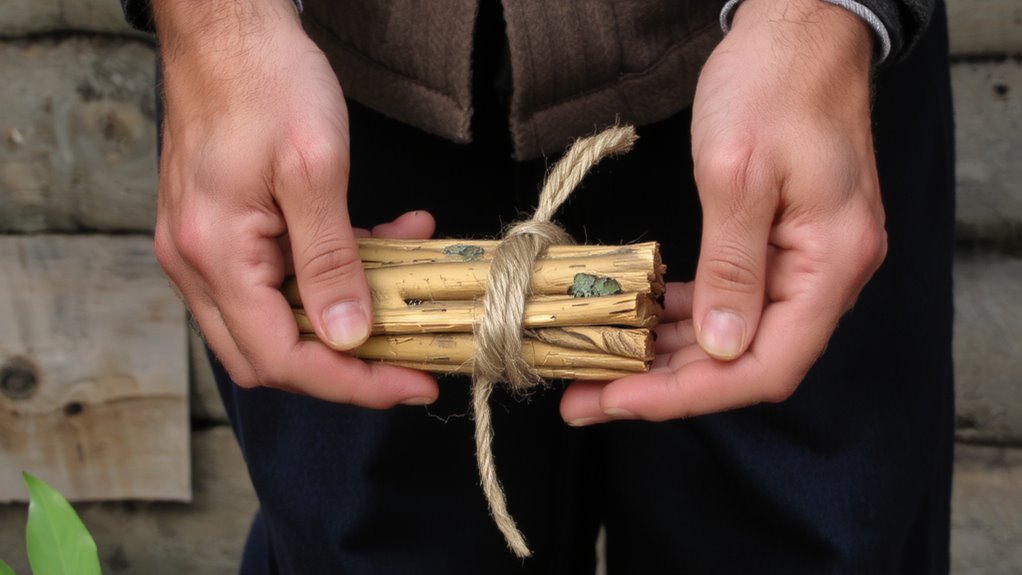
While the quality of your birth twigs sets the stage, how you assemble them into a bundle ultimately determines their performance in a smoke session. Start by aligning the cut ends evenly-this makes bundle shaping far easier and guarantees consistent packing. You’ll want a cylindrical form, about 3–4 inches in diameter, tight enough that twigs don’t slip out when lifted. Overlap thinner and thicker twigs evenly to avoid air gaps. Secure both ends with strong, heat-resistant cord using reliable tying techniques, like a double knot or square lashing, so the bundle holds under handling. Avoid twisting too loosely-slack leads to breakage or uneven burn. Proper bundle shaping enhances durability and spatial efficiency in your smoker. A well-shaped, tightly bound bundle feeds heat evenly and sustains longer sessions. Done right, it maintains structural integrity from ignition to final ember.
How Birch Bundle Density Controls Smoke
A tightly bound birch bundle does more than hold its shape-it directly shapes how smoke moves and develops during a cook. You control birch porosity with how tightly you bind the twigs, and that porosity dictates how easily air flows through. Less space between twigs means slower burn and more concentrated smoke, which improves smoke diffusion over your food. Too loose, and you’ll get uneven, fast-burning flames with thin, inconsistent smoke. A dense bundle feeds steadily, releasing aromatic compounds gradually. It balances combustion and cooling, letting the smoke travel evenly instead of rushing. You’re not just building fuel-you’re engineering airflow. The right density creates cooler, richer smoke ideal for delicate flavor development. You’ll see fewer flare-ups and better control. In traditional Scandinavian methods, this isn’t accidental; it’s precise. Mastering bundle density means mastering smoke quality. It’s the difference between sharp smoke and smooth, flavorful results.
Smoking Fish and Meat With Birch Twig Bundles
Though traditional in form, smoking fish and meat with birch twig bundles gives you exceptional control over flavor and heat when cooking outdoors. You’ll notice how the slow, steady burn of tightly bound twigs sustains consistent smoke, essential for proper curing. Birch resin benefits include a subtly sweet, earthy aroma that enhances without overpowering delicate fish or rich game meats. This resin also acts as a natural preservative, improving shelf life and surface texture. When you follow traditional smoking rituals, you’re not just cooking-you’re connecting to centuries of Nordic practice, where timing, bundle density, and wood age all matter. The method demands attention but rewards patience. Unlike synthetic pellets or chips, birch twigs offer a clean, aromatic smoke that complements rather than masks. You’ll find this approach especially effective in clay or metal smokers, where airflow can be managed. With practice, you’ll master how twig thickness and bundling tightness influence temperature and smoke density.
On a final note
You’ll find tightly bundled birch twigs deliver superior, consistent smoke in traditional Scandinavian methods. Their density slows burn, enhancing flavor without bitterness. Properly harvested and packed, these bundles offer control ideal for fish and meats, improving over loose twigs. It’s a proven, efficient technique that balances tradition with practical performance, making it a reliable choice for outdoor cooks seeking authentic, high-quality results through thoughtful, low-tech means.