How Infrared Burners on Gas Grills Accelerate Maillard Reactions Differently
You get faster, more intense searing with infrared burners because they emit direct radiant heat up to 700°F, quickly drying the meat’s surface and triggering the Maillard reaction almost instantly. Unlike conventional grills that rely on convection and take time to evaporate moisture, infrared transfers energy efficiently, browning proteins before the inside overcooks. This means better crust, richer flavor, and juicier results-especially on steaks and burgers. You’ll see how tuning the heat can elevate your results even further.
Notable Insights
- Infrared burners emit intense radiant heat, rapidly raising surface temperatures to accelerate Maillard reactions.
- Direct energy transfer quickly evaporates surface moisture, enabling immediate searing and browning.
- Higher surface temps (often >700°F) surpass conventional grills, speeding up protein-sugar reactions.
- Infrared minimizes heat loss, maintaining consistent searing conditions even in cold or windy environments.
- Rapid crust formation locks in juices, enhancing flavor development without overcooking the interior.
What Is the Maillard Reaction? (And Why It Matters for Grilling)
A sizzle isn’t just sound-it’s a signal. It tells you the Maillard reaction is underway, that magic moment when amino acids and sugars transform under heat. You’re not just cooking; you’re building flavor. High heat drives surface dehydration, pulling moisture away so proteins and sugars can react efficiently. That dry surface? Essential. Without it, you’d steam instead of sear. Caramelization effects add depth, but don’t confuse it with Maillard-caramelization is sugar breaking down, while Maillard involves protein. Both matter for that complex crust on your steak. You want browning, not burning, and that requires precise temperature control. In gas grilling, achieving this consistently is tough-unless you’ve got the right setup. The right heat management lets you push past steaming into true browning. It’s not dramatic flair; it’s science-backed performance you can taste.
How Infrared Grills Create Ideal Maillard Conditions
You already know the Maillard reaction isn’t just about color-it’s the foundation of flavor in grilled meats, a chemical process that needs dry heat and high surface temperatures to work effectively. Infrared grills deliver just that, using intense surface radiation to rapidly sear food. Unlike conventional burners, they focus energy directly onto the cooking surface, minimizing heat loss and maximizing heat retention. This means faster preheating and more consistent temperatures, even in cold or windy conditions. The ceramic or metal emitter absorbs gas-generated heat and re-emits it as radiant energy, creating an ideal searing environment. You’ll notice better crust development and deeper flavor without prolonged cooking times. While they demand careful monitoring to prevent over-charring, their precision makes them ideal for steaks, chops, and other thin cuts. In practice, infrared burners offer a more controlled path to superior browning, proving their worth in serious backyard cooking.
Why Infrared Heat Browns Meat Faster Than Conventional Grills
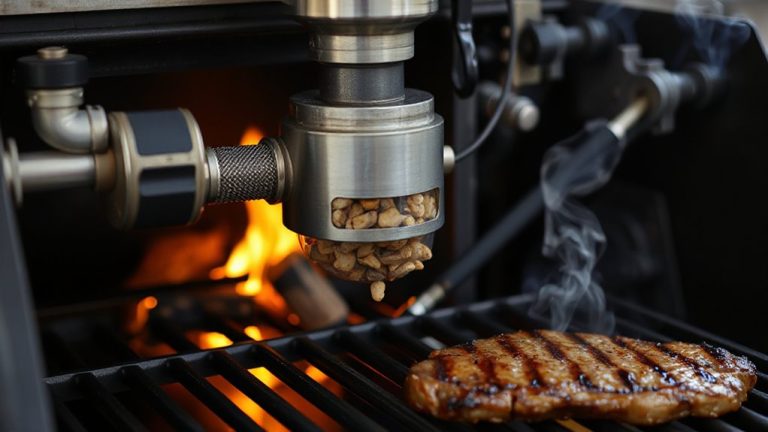
That sizzle you hear when a steak hits the grates? It’s your first clue that infrared heat is working faster than a conventional flame. You’re dealing with far greater heat intensity-often exceeding 700°F-which supercharges the Maillard reaction the moment the meat makes contact. Unlike traditional grills that rely on convective heat, infrared burners radiate energy directly, rapidly driving off surface moisture for a quicker sear. That’s key: the drier the surface, the faster browning kicks in. Conventional grills take longer to evaporate moisture, delaying the reaction. With infrared, you skip that lag. You get immediate, intense contact with radiant energy, so the crust forms in seconds, not minutes. It’s not magic-it’s physics. And for anyone serious about searing, that speed and efficiency make a clear difference in performance, especially when you want consistent, restaurant-grade results at home.
How Infrared Searing Protects Juiciness
Searing isn’t just about color-it’s a shield. When you use infrared searing on your grill, intense radiant heat instantly vaporizes surface moisture, creating a dry exterior that promotes rapid browning. This quick crust formation locks in juice retention far better than slow, conductive heat. Because the energy transfers directly to the meat, you’re not slowly cooking the interior while waiting for the Maillard reaction to start. That means less internal moisture loss and juicier results. Traditional grills often let surface moisture linger, delaying searing and increasing the risk of overcooking. With infrared, the burst of heat is precise and efficient-ideal for steaks or chops where peak juiciness matters. It’s not magic; it’s physics. You’re controlling how heat interacts with meat, giving you an edge in both flavor and texture. For serious outdoor cooking, that’s a game-changer.
What Infrared Grilling Does to Steaks and Burgers
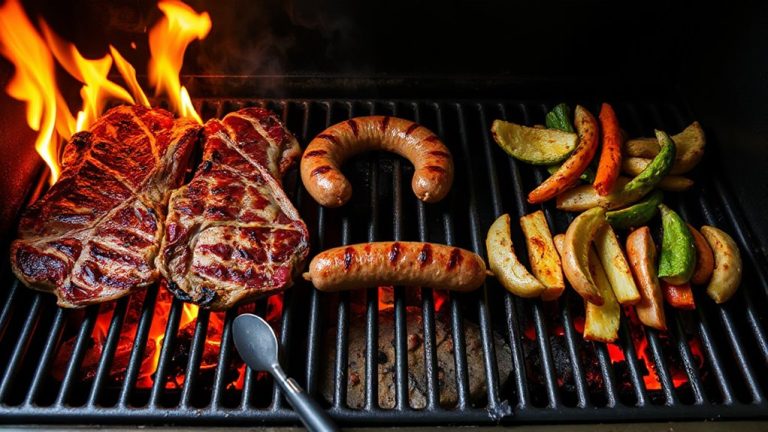
A searing crust, crackling under the first bite, defines the appeal of a great steak or burger-and infrared grilling delivers it with unmatched efficiency. You’re not just browning meat; you’re driving rapid Maillard reactions that elevate flavor development far beyond what conventional grills achieve. The intense, direct heat-often exceeding 700°F-works quickly, locking in juices while creating a deeply caramelized exterior. That results in pronounced texture contrast: a crisp, savory shell giving way to a tender, juicy interior. Steaks develop a steakhouse-quality finish, while burgers achieve a rich, almost roasted complexity without drying out. Unlike indirect methods, infrared minimizes moisture loss during searing, making it ideal for厚-cut meats. You get consistent, restaurant-grade results because the heat transfer is more controlled and focused. For home cooks chasing depth of flavor and professional texture contrast, infrared isn’t just effective-it’s transformative.
Tips to Maximize Sear and Flavor on Your Infrared Grill
When you’re working with the intense heat of an infrared grill, getting the most out of that sear means more than just cranking up the temperature and throwing on a steak. Proper preheating-about 10 to 14 minutes-ensures even radiant heat, critical for consistent Maillard reactions. Pat your meat dry and season it just before grilling; moisture inhibits searing. For best results, use high-fat cuts but practice careful grease management to prevent residue buildup that can impair performance. Position thicker cuts using two-zone cooking if your model allows, finishing over indirect heat. Flare up control is essential: infrared burners don’t eliminate flare-ups, especially with dripping fat, so trim excess fat and keep a spray bottle handy. Avoid overcrowding the grates-this reduces surface contact and promotes steaming. With smart prep and maintenance, your infrared grill delivers deep crusts, richer flavor, and restaurant-quality results at home.
On a final note
You get faster, more consistent searing on an infrared grill because it transfers heat through direct radiation, not convection. That intense, focused energy drives the Maillard reaction quickly, locking in juices while building rich flavor. Compared to conventional grills, infrared models reduce cook time without sacrificing doneness control. With proper preheating and surface contact, you’ll achieve restaurant-quality crusts. It’s efficient, effective, and ideal for steaks and burgers when precision matters.