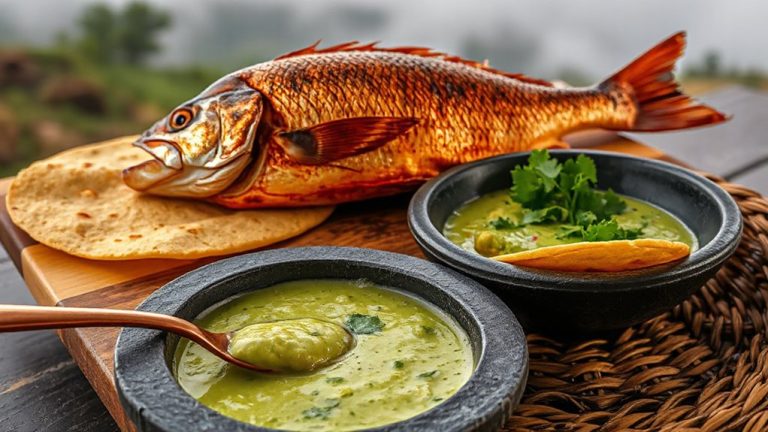
Campfire Fish Cooking: Gutting, Seasoning, and Wrapping in Foil
Choose firm, fresh fish like trout or bass, and gut them quickly by rinsing, scaling at a 45-degree angle, and removing entrails with a shallow slit. Season inside and out with lemon, herbs, and balanced spices-avoid overdoing it, as heat intensifies flavor. Wrap tightly in heavy-duty foil, double-folded with sealed edges, to lock in moisture and prevent leaks. Cook 6 inches above red coals for 10–20 minutes, depending on thickness. You’ll soon discover smarter ways to perfect every step.
Notable Insights
- Clean fish immediately by scaling with a dull knife and gutting with a shallow slit from vent to gills.
- Rinse the fish thoroughly in cold water after cleaning to remove debris and preserve flavor.
- Season inside the cavity and over the skin with lemon, herbs, olive oil, and balanced spices like paprika and garlic.
- Wrap the fish in heavy-duty aluminum foil, doubling the size and crimping edges tightly to seal.
- Cook foil-wrapped fish 6 inches above red coals for 10–15 minutes, adjusting time for thickness.
Choose the Best Fish for Campfire Cooking
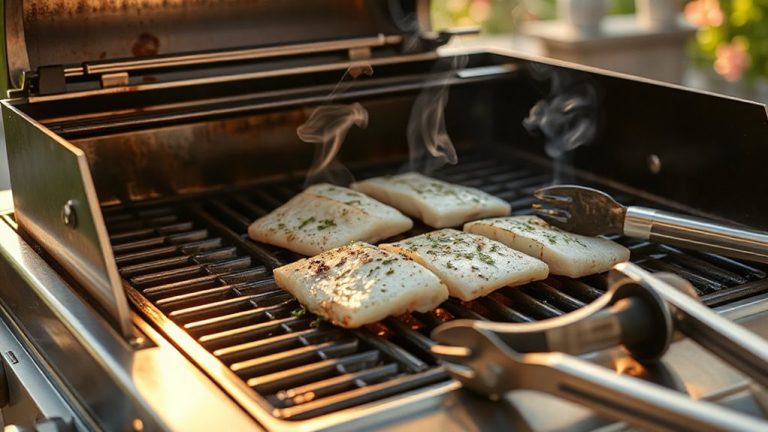
When it comes to campfire cooking, freshness often trumps filet thickness-your best bet is a fish you’ve just pulled from the water. Your success hinges on smart fish selection: trout, bass, and perch are ideal due to their firm texture and mild flavor, which hold up well over open flames. Avoid overly oily or delicate species that might fall apart or flare up. You’ll also need reliable cooking tools-think sturdy tongs, a heat-resistant glove, and heavy-duty foil. These tools make flipping and handling safer and more efficient. A well-chosen fish paired with dependable gear guarantees even heat distribution and minimizes mess. While flavor matters, practicality matters more when you’re outdoors. The right combination of fresh catch and functional tools streamlines the entire process, letting you focus on technique rather than troubleshooting. Ultimately, preparation and tool quality define your campfire cooking outcome.
How to Clean Fresh-Caught Fish Fast
Efficiency starts the moment you land your catch, and knowing how to clean fresh-caught fish fast means preserving flavor while minimizing effort. Start by rinsing the fish to remove debris and dirt. For those with scales, use a dull knife or scaler at a 45-degree angle-proper scaling techniques prevent skin tears and guarantee a clean base for cooking. Hold the fish firmly by the tail and scrape headward; it’s quicker and removes more scales in fewer passes. When gutting, make a shallow slit from vent to gills and remove entrails swiftly-less handling keeps the flesh intact. If filleting, prioritize filleting speed: use a sharp, flexible fillet knife and steady pressure along the backbone. A clean workspace and sharp tools reduce time and contamination risk. Freshness declines rapidly, so rapid cleaning locks in quality. Cold water rinses afterward eliminate residue without soaking flavor. With practice, scaling and filleting become seamless-critical for campfire cooks valuing taste and efficiency.
Season Fish for Maximum Campfire Flavor
You’ve cleaned your catch fast and kept the flesh pristine-now it’s time to think about flavor, and that starts with smart seasoning. A successful flavor infusion begins with moisture-rich ingredients like lemon slices, fresh herbs, or a drizzle of olive oil, all trapping steam and aroma against the fish. Layering seasonings inside the cavity and over the skin guarantees deep, even flavor infusion without overpowering the natural taste. Aim for spice balance-complement the fish rather than mask it. A pinch of smoked paprika with garlic, a touch of cayenne, and coarse salt works well for firmer fish, while delicate fillets shine with just dill and citrus. Overseasoning backfires on the campfire, where heat intensifies flavors unpredictably. Test small batches first. Proper spice balance transforms simple campfire cooking into something gourmet, letting freshness and technique elevate your meal.
Wrap Fish in Foil Without Leaks
A well-sealed foil wrap is your best ally for mess-free campfire cooking, and getting it right means the difference between a juicy, evenly cooked fillet and a dried-out disaster. You’ll want to use heavy-duty aluminum foil-it holds up better and maintains foil integrity under heat. Tear off a generous piece, about twice the size of your fish, so you can fold the edges securely. Place the seasoned fish in the center, then bring up the sides, folding them over at least an inch to create tight, double-layered seams. Tuck and crimp the ends tightly to guarantee complete leak prevention. Any gap can let juices escape, reducing flavor and moisture. The foil should form a snug, sealed packet-steam needs to circulate inside but not escape. A well-wrapped packet not only locks in taste but also simplifies cleanup, proving essential for practical outdoor cooking.
Cook Fish Over Fire: Time and Temperature
Heat control is the make-or-break factor when cooking fish over a campfire, and mastering it means balancing flame, distance, and timing. You’ll want a medium heat level-too high, and the fish burns before it cooks through; too low, and it dries out. Most campfire cooks aim for coals glowing red, not open flames. Place your foil packet about 6 inches above the heat source for ideal results. For average fillets, a cooking time of 10 to 15 minutes works well-thicker cuts may need 20. Uniform thickness guarantees even cooking. Wrapping fish in foil traps steam, effectively lowering required heat level while preserving moisture. This method shortens cooking time compared to direct grilling. Trust indirect heat and patience over speed; rushing leads to undercooked centers or charred edges. With steady heat and proper timing, your fish comes out tender, flavorful, and safely cooked. A durable campfire grill grate can enhance heat distribution and elevate your setup for more consistent results.
How to Tell When Campfire Fish Is Done
Getting the timing right means little if you can’t judge doneness accurately, and that’s where visual and tactile cues become your most reliable tools. When you peek inside the foil packet, look for opaque flesh throughout-translucent or glossy areas mean it needs more time. Gently press the thickest part of the fish; if the internal texture flakes easily with light pressure and feels firm but moist, it’s ready. Overcooked fish becomes dry and rubbery, so err on the side of slight translucency in the center if you’re unsure. For most fillets, 10–15 minutes over medium heat delivers ideal results, but thickness and type affect cook time. Always verify doneness visually and by touch rather than relying solely on the clock. These methods give consistent, trustworthy results and help preserve the fish’s delicate flavor and moisture.
Avoid These Campfire Fish Mistakes
Cooking fish over a campfire can go south quickly if you don’t pay attention to a few common pitfalls, and avoiding these mistakes makes the difference between a moist, flavorful meal and a disappointing one. Skipping foil wrapping often leads to burning dinner and severe flavor loss from direct flame exposure. Not seasoning inside the cavity leaves meat bland, while overcooking dries out delicate flesh.
| Mistake | Solution |
|---|---|
| Cooking directly on flames | Use foil packets or a grill box |
| Under-seasoning | Add herbs and salt inside and out |
| Poor heat control | Maintain medium coals, not roaring fire |
You’ll preserve moisture and taste by monitoring fire temperature and enclosing fish properly. A moderate bed of coals guarantees even cooking without charring. Foil not only prevents burning dinner but traps steam, reducing flavor loss. These techniques reflect best practices in outdoor cooking, balancing simplicity with effective heat management for reliable, delicious results.
On a final note
You’ve got the basics now-gut the fish fast, season it well, and wrap it tight in foil to seal in moisture. Cooking over campfire coals delivers even heat, but timing matters: 10–15 minutes usually suffices. You’ll know it’s done when the flesh flakes easily. Avoid common errors like puncturing the foil or using high flames. This method balances convenience and flavor, making it a reliable go-to for outdoor meals that taste fresh and feel rewarding.