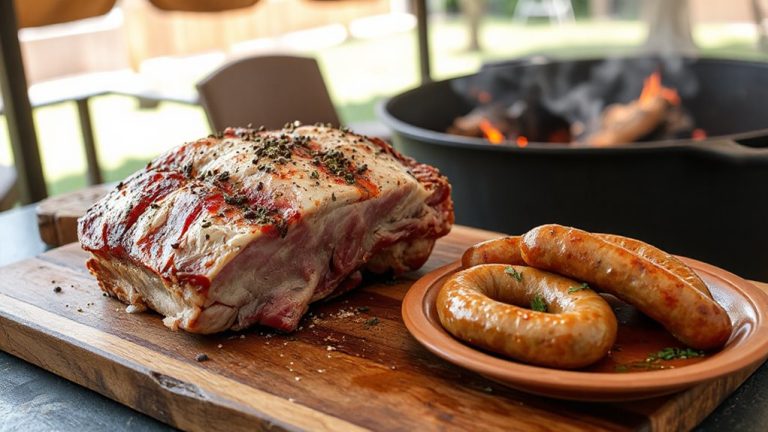
Building a Rocket Stove With a Built-In Grill Surface for Versatility
You’ll get faster starts and better heat control with a rocket stove that has a built-in grill. It burns cleaner than a campfire, using less fuel and reducing smoke. Use thick steel or cast iron for durability and even cooking. A properly sized burn tunnel guarantees efficient airflow, while a flat, secured grill gives you versatility for searing, baking, and grilling. Just keep it on a safe surface and use dry wood. There’s more to optimizing your build for long-term performance.
Notable Insights
- Design a combustion chamber 4 to 6 inches wide to balance heat output and fuel efficiency.
- Angle the burn tunnel slightly downward to improve airflow and reduce smoke.
- Use thick-walled steel, cast iron, or refractory brick for durable, high-heat resistance.
- Install a flat, ¼-inch-thick steel or cast iron grill plate for even cooking and versatility.
- Ensure tight seals and insulated chambers to maximize heat retention and fuel efficiency.
Why a Rocket Stove Grill Beats a Campfire
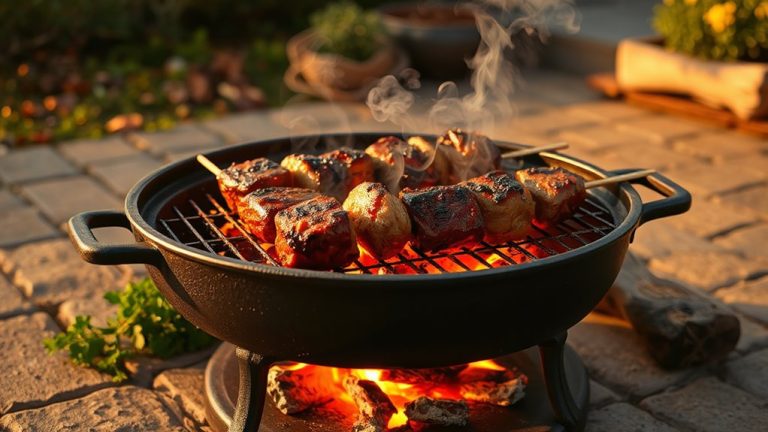
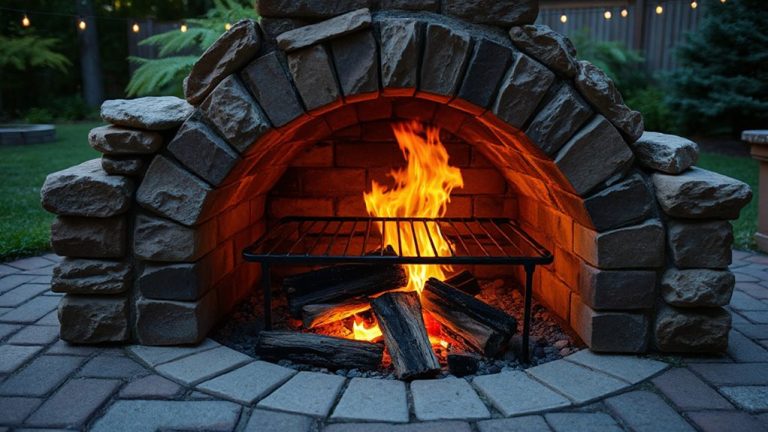
While a crackling campfire might seem like the ultimate outdoor cooking experience, it’s often inefficient and hard to control-especially when you’re trying to grill evenly. A rocket stove grill gives you precision that open flames rarely offer. You get faster ignition speed, meaning you’re cooking in minutes, not waiting forever for coals to form. The focused burn chamber directs heat straight to the grill surface, so your food sears efficiently. Plus, the design promotes strong smoke reduction-less eye-stinging haze and cleaner-tasting meals. You’re not just guessing with airflow; you’re managing combustion like a pro. It uses less fuel, too, making it eco-friendly and practical for longer sessions. Unlike erratic campfires that die or flare unpredictably, this system stays consistent. You’ll notice the difference in heat control and cleanup. For reliable, clean grilling outdoors, the rocket stove isn’t just an upgrade-it’s a smarter way to cook.
Pick the Best Materials for High Heat and Durability
Since you’re building or buying a rocket stove grill meant to handle intense, long-term heat, the materials you choose make all the difference in performance and lifespan. You’ll want thick-walled steel, cast iron, or refractory brick-these handle extreme temperatures without cracking. Steel heats quickly and offers decent heat retention, but thinner gauges warp over time. Cast iron excels in heat retention and material longevity, though it’s heavy and needs seasoning. Refractory brick insulates well, holds heat for hours, and resists thermal shock, making it ideal for consistent cooking. Avoid thin sheet metal or regular bricks-they degrade fast. Stainless steel grates resist rust and last longer than mild steel. For the grill surface, 304 stainless or chrome-moly steel provides strength and even heating. These materials guarantee your stove withstands repeated fires while maintaining efficiency. Your choice directly affects how evenly food cooks and how often repairs are needed. Smart material selection means less maintenance and better results over years of use.
Build the Rocket Stove Core and Burn Tunnel
You’ve selected high-quality, heat-resistant materials, and now it’s time to shape them into the heart of your rocket stove-the core and burn tunnel. Start by forming the combustion chamber, where intense heat and efficient burning begin; its size directly impacts fuel consumption and heat output. A well-proportioned chamber-usually 4 to 6 inches wide-promotes strong airflow dynamics, drawing oxygen from the base to fuel upward flames. The burn tunnel, angled slightly downward, guides this airflow precisely, ensuring consistent ignition and minimal smoke. You’ll notice performance improves when interior surfaces are smooth, reducing turbulence and encouraging laminar flow. Proper alignment between the combustion chamber and tunnel is critical; even small gaps can disrupt efficiency. This core setup maximizes thermal transfer while supporting clean, hot burns-key for outdoor cooking that demands reliability. Done right, it forms a durable, responsive system ideal for prolonged use and varying fuel types.
Add a Flat Grill for Full Cooking Versatility
With the rocket stove core fully formed and the burn tunnel properly aligned, it’s time to cap the system with a flat grill that transforms your setup into a true outdoor cooking station. You’ll want a heavy-duty steel or cast iron plate, at least ¼ inch thick, to guarantee even heat distribution and durability under high temperatures. Weld or secure it firmly to the top rim, leaving no gaps where heat could escape. This surface allows you to sear meats, grill vegetables, or even bake flatbreads-maximizing cooking flexibility. A flat grill simplifies cleanup and promotes better food safety by minimizing crevices where residue accumulates. Regular grill maintenance, like scraping after use and occasional oiling, prevents rust and keeps performance peak. Unlike open flames, this enclosed system reduces flare-ups, giving you precise control. It’s a smart upgrade for backyard chefs who value efficiency, safety, and consistent results.
Use Safely and Maximize Fuel Efficiency
Now that your rocket stove features a solid cooking surface, attention should shift to how you operate it safely while getting the most from every piece of fuel. You’ll want to master airflow control-adjusting the intake restricts oxygen and prevents overheating, while opening it boosts combustion when needed. This balance keeps temperatures steady and avoids wasting wood. Good heat retention is key; the insulated combustion chamber holds intense heat, transferring it efficiently to the grill surface for faster cooking. Never leave the stove unattended, and place it on a non-flammable surface clear of overhangs. Use dry, seasoned wood-moisture-heavy logs hinder efficiency and increase smoke. You’ll notice that small, consistent fuel loads outperform large ones, sustaining cleaner burns. With proper airflow control and solid heat retention, your stove delivers reliable, high-performance cooking while minimizing fuel use. Safety and efficiency go hand in hand, making every cookout effective and controlled.
On a final note
You’ve built a functional, efficient rocket stove grill that outperforms open fires. Its insulated burn tunnel reaches high temperatures quickly, using minimal fuel. The flat grill surface allows precise cooking, from searing meats to simmering sauces. With proper airflow and dry biomass, it maintains consistent heat. Durable materials guarantee longevity, while the compact design suits backyards or camps. It’s a smart, sustainable upgrade for reliable outdoor cooking.