Mastering the Art of Feather-Stacking Wood for Sustained Heat in Open-Pit Fires
You’ll want to use seasoned hardwoods like oak or hickory-softwoods burn too fast and sap up your airflow. Start with two large logs parallel, then lean smaller splits at 60-degree angles in a shingled pattern for steady drafting. Keep gaps tight but intentional, so heat climbs gradually through the stack. Avoid wet wood or poor ventilation-both choke the fire. Do it right, and you’ve got hours of radiant heat with minimal fuss. There’s more to mastering consistency in the details.
Notable Insights
- Use dry, seasoned hardwoods like oak or hickory for longer, more stable burns with sustained heat output.
- Start with two parallel logs and lean smaller pieces at 60-degree angles for optimal airflow and gradual ignition.
- Maintain tight but intentional spacing to ensure consistent combustion and prevent collapse during prolonged burns.
- Avoid softwoods and green wood to reduce smoke, creosote buildup, and inefficient, short-lived fires.
- Insulate the fire with ash or charred wood and shield it from wind to maintain overnight warmth and fuel efficiency.
Choose the Right Wood for Feather-Stacked Fires
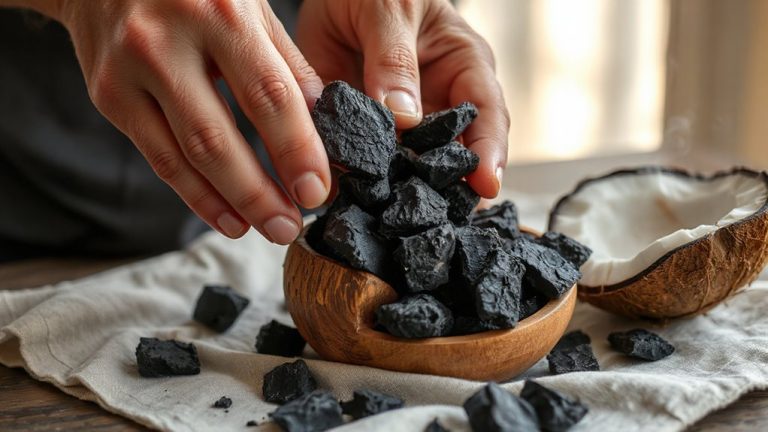
When building a feather-stacked fire, the wood you choose makes or breaks the burn. Your wood selection directly impacts ignition speed, flame stability, and heat output. Hardwoods like oak, hickory, and maple are ideal-dense and slow-burning, they sustain consistent temperatures essential for outdoor cooking. Softwoods, while easier to light, burn too quickly and produce erratic heat. Equally important is moisture content; wet or green wood steams instead of flaming, creating excessive smoke and reducing efficiency. Aim for seasoned wood with under 20% moisture content-dry to the touch, with noticeable cracks at the ends. This guarantees cleaner combustion and maximizes BTU output. Poor wood selection or high moisture content sabotages even the most carefully arranged stack. Choosing properly seasoned hardwood isn’t just preference-it’s fundamental to performance, control, and flavor when grilling or smoking over an open pit. For those seeking an alternative with exceptional heat retention and cleanliness, consider using Japanese Binchotan charcoal.
How to Feather-Stack Logs in an Open Pit
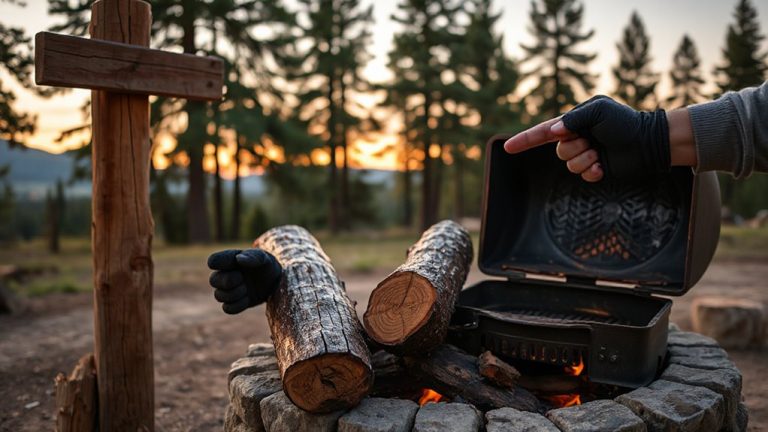
You’ve picked the right wood-seasoned hardwood with low moisture content, ready to deliver steady heat and clean smoke-so now it’s time to arrange it effectively. Begin by setting two larger logs parallel to each other with a small gap between them-this establishes solid log placement and promotes airflow control. Lean smaller pieces against both sides at a 60-degree angle, alternating layers to form a crisscrossed, shingled effect. This feather-stack design lets heat rise gradually, igniting each log in sequence. The tight but intentional spacing guarantees consistent combustion while minimizing wasted wood. Unlike pyramid stacks that burn fast, this method sustains steady radiant heat-ideal for slow roasting or keeping food warm for hours. Proper airflow control prevents smoldering, reduces smoke, and increases efficiency. Done right, your open-pit fire becomes a reliable cooking platform that balances endurance with performance.
7 Mistakes That Kill Your Feather-Stacked Fire
Though the feather-stack method delivers lasting, even heat when done right, cutting corners in setup or fuel choice can collapse the entire burn structure before it gains momentum. You’re likely to fail if you ignore poor ventilation-packing the base too tightly suffocates flames, starving them of oxygen and stalling combustion. Airflow is critical; without it, smoke accumulates and ignition falters. Uneven stacking is just as destructive: wobbling logs shift as they burn, toppling the stack prematurely. You want each piece leaning at a consistent angle, snug but not compressed, allowing heat to rise smoothly through the structure. Softwoods might ignite fast, but they burn too quickly and produce excess creosote, undermining sustained heat. Stick to dry, seasoned hardwoods-they char predictably and support longer burns. Ignoring these principles risks a failed setup, wasting fuel and time. Precision in form guarantees performance, especially when cooking, where temperature control makes all the difference.
Keep Your Feather-Stacked Fire Alive All Night
As long as you prep the base with dense hardwoods like oak or hickory, your feather-stacked fire stands a real chance of lasting through the night. These logs burn slower and provide a stable heat core, essential for sustained performance. Surround the base with smaller, upright sticks in the classic feather pattern, but don’t overlook fire insulation-layer loosely around the outside with partially charred wood or ash to retain heat and regulate oxygen flow. Wind shielding is equally critical; even a slight breeze increases oxygen intake, accelerating burn rates and destabilizing temps. Use a fire ring, rocks, or a portable shield to block gusts. You’re not just building structure-you’re managing combustion. With proper insulation and wind shielding, your setup maintains embers longer, offering steady heat for slow roasting or warming. It’s efficient, predictable, and ideal for overnight outdoor cooking when precision matters. For optimal results, consider pairing your fire setup with best bushcraft campfire styles to enhance both functionality and safety in varied conditions.
Why Feather-Stacking Burns Longer and Cleaner
Feather-stacking isn’t just a clever arrangement-it’s a design that leverages airflow and surface exposure to extend burn time while reducing smoke. You get cleaner combustion because each piece of wood angles outward, allowing air to circulate freely at the base and wick upward naturally. This airflow optimization sustains a steady flame without constant tinkering. As the fire burns inward toward the center, heat retention improves-the densely packed core holds thermal energy longer, radiating warmth even as outer logs shrink. Since oxygen reaches the fuel evenly, you avoid smoldering pockets that produce excess smoke. The result? A more efficient burn that lasts hours with minimal maintenance. Compared to haphazard piles or log cabins, feather-stacks deliver superior control, especially overnight. For outdoor cooking or ambiance, this method outperforms most traditional setups. It’s not magic-it’s smart design rooted in physics and practical observation. You’ll see the difference in fewer sparks, consistent embers, and less wood waste over time. Using the right open fire grills can further enhance heat management and cooking efficiency when applying feather-stacking techniques.
On a final note
You’ve now mastered feather-stacking for sustained, efficient heat in open-pit fires. This method leverages precise log placement to promote complete combustion, reducing smoke and extending burn time. When paired with seasoned hardwood, it delivers steady temperatures ideal for slow cooking. Unlike haphazard piles, feather-stacked fires require less maintenance and offer superior control-critical for backyard BBQ or wilderness cooking. With practice, you’ll achieve cleaner, longer-lasting fires that outperform traditional setups.