Setting Up a Two-Zone Grill on a Charcoal Kettle for Simultaneous Sear and Smoke
Start by lighting charcoal in a chimney starter-skip the lighter fluid to avoid off-flavors-and wait until the coals are ashed over. Pile them on one side of your kettle to create a hot direct-heat zone, leaving the other side empty for indirect cooking. Sear steaks or burgers over the flames for a crisp, caramelized crust, then move them or other items like ribs, chicken, or veggies to the cooler side to finish cooking gently in radiant heat. Use hickory or fruitwoods like apple or cherry to enhance flavor without overpowering. Maintain steady temps between 225°F and 350°F by adjusting the bottom and top vents-half to three-quarters open-for ideal airflow. Thin blue smoke means clean combustion; thick smoke means trouble. This two-zone setup gives you control and versatility, letting you manage flare-ups and cook different foods at once. You’ll find even better results by fine-tuning fuel placement and wood pairings.
Notable Insights
- Use a chimney starter to light charcoal, avoiding lighter fluid to ensure clean flavor.
- Arrange fully ashed coals on one side of the kettle for a direct heat zone.
- Leave the opposite side empty to create an indirect heat zone for smoking.
- Sear steaks or burgers over the hot, coal-filled side for crisp grill marks.
- Smoke ribs, chicken, or veggies in the cooler zone using appropriate wood chunks.
Build a Two-Zone Fire in Your Charcoal Kettle
Most backyard grillers find that setting up a two-zone fire in a charcoal kettle gives them far more control than a full, even layer of coals ever could-so if you’re still cooking over a sea of gray embers from edge to edge, it’s time to rethink your approach. Start with proper fire ignition: use a chimney starter to light lump charcoal or briquettes evenly, avoiding lighter fluid that can taint flavor. Once the coals are ashed over, establish your charcoal arrangement by banking them on one side of the kettle-this creates direct heat for searing and indirect space for slower cooking. This dual-zone design improves temperature management, letting you move food as needed. A well-executed two-zone setup enhances control, promotes even cooking, and prevents flare-ups. With this method, you’re not just heating food-you’re managing convection, radiation, and smoke for better results every time. For beginners, choosing the right equipment is key, and a reliable option to consider is one of the best charcoal grills based on performance and design.
Sear Steaks and Burgers Over Direct Heat
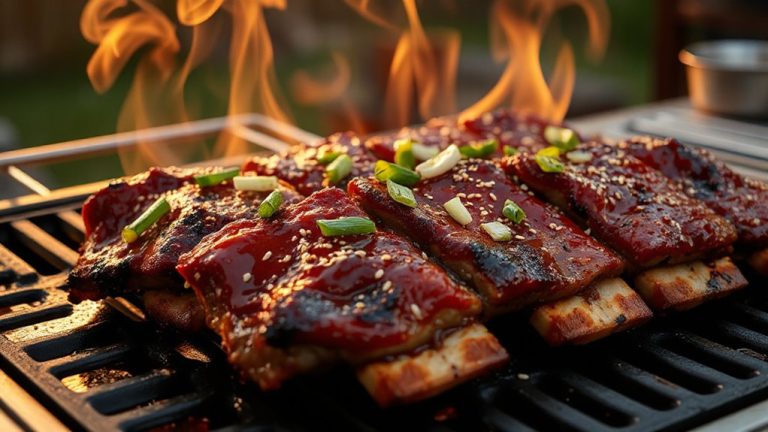
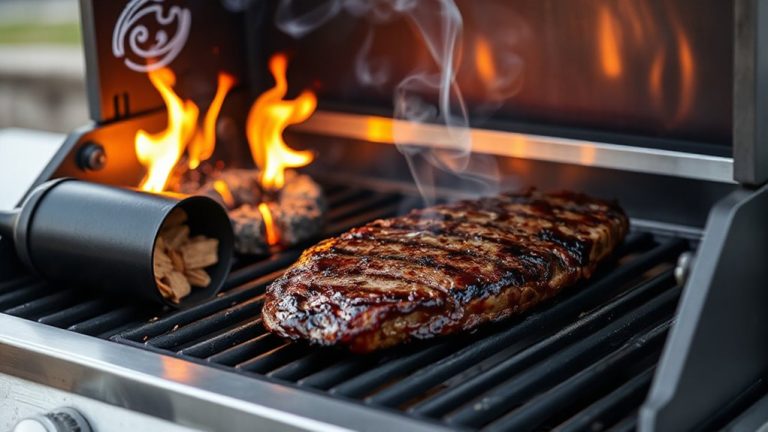
A properly seared steak or burger starts with intense, direct heat-exactly what the coal-packed side of your two-zone grill delivers. You want those crisp grill marks not just for presentation but as proof of proper surface caramelization. That charred sear triggers the maillard reaction, the chemical process where amino acids and sugars react under high heat, building complex, savory flavors. Position your meat over the hot coals, letting it sear without constant flipping-patience guarantees even browning and texture. Steaks like ribeye or strip need 2–3 minutes per side for medium-rare, while burgers benefit from slightly longer contact to develop a robust crust. Avoid pressing down; you’ll lose juices and hinder the maillard reaction. The intense heat delivers restaurant-quality results, locking in moisture while creating depth. Direct heat is essential for true searing-anything less produces pale, steamed meat lacking character.
Smoke Ribs, Chicken, and Veggies With Indirect Heat
While the searing side of your grill works fast, you’ll want to shift to indirect heat when tackling ribs, whole chickens, or vegetables that benefit from slow, even cooking. Move those items to the cooler zone, where airflow circulates gently and heat cooks without scorching. This method builds deep flavor, especially when you fine-tune smoke intensity by controlling the amount of lit charcoal and wood chunks. Too much smoke can overwhelm-aim for a thin, blue stream, not thick white billows. Wood pairing matters: hickory or apple works great for pork ribs, while fruitwoods like cherry complement chicken and even grilled veggies. Alder wood shines with delicate vegetables, offering a mild, sweet smoke. Used wisely, indirect heat transforms tough cuts into tender results and elevates vegetables with subtle smokiness. Your two-zone setup isn’t just about searing-it’s about versatility, balance, and mastering smoke intensity through smart wood pairing. For optimal results with poultry, consider using best wood chips for smoking chicken to enhance flavor without overpowering the meat.
Control Temperature for Even Cooking
Because consistent heat makes or breaks your cook, mastering temperature control on a two-zone grill is essential for turning out evenly prepared food. You’ll need to balance heat distribution by positioning coals on one side while leaving the other empty, creating distinct zones for searing and gentle cooking. Effective fuel management means adding charcoal gradually-never all at once-to avoid temperature spikes. Use a reliable thermometer to monitor grill ambient temperature, aiming for a steady 225°F to 35游戏副本°F, depending on the protein. Too much fuel causes hotspots; too little leads to uneven results. Adjusting the bottom and top vents lets you fine-tune airflow without disrupting the fire. This hands-on approach gives you control, ensuring foods cook through without burning. With practice, you’ll intuitively manage heat, making every cook more predictable and delicious. For optimal performance, choose a model rated among the best charcoal grill smokers based on heat retention, airflow control, and durability.
Manage Smoke and Airflow Like a Pro
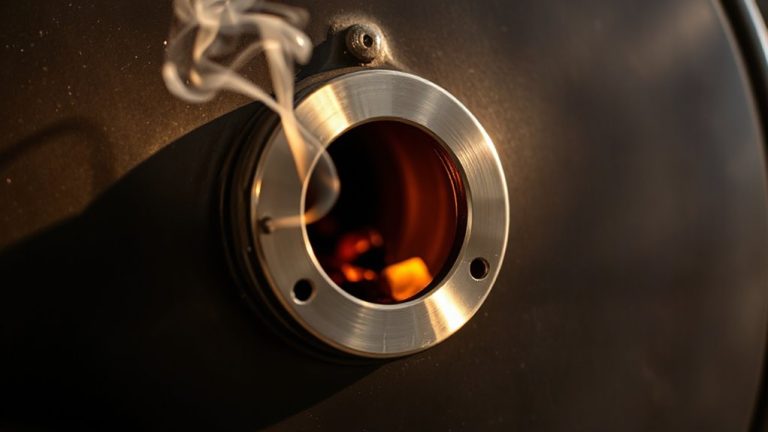
How often does your fire deliver clean heat without choking on thick, bitter smoke? Mastering smoke density and airflow balance is key to professional-level results on your two-zone charcoal grill. Too much smoke smothers flavor; too little leaves food bland. You need steady airflow to maintain clean combustion and consistent temps.
| Smoke Density | Airflow Balance |
|---|---|
| Thin blue trails = ideal | Top vent open 1/2 to 3/4 |
| Thick white = damp wood | Bottom vents regulate intake |
| Gray/black = poor draft | Adjust incrementally |
| Consistent flow = even cook | Match fuel to vent settings |
Control isn’t just about vents-it’s coordination. Open the bottom damper slightly to feed the fire, then fine-tune the top to guide smoke over food. This balance prevents flare-ups, sustains clean burn, and boosts flavor clarity. You’ll taste the difference.
On a final note
You’ve built a two-zone fire, mastered searing and smoking, and controlled airflow for steady temps. This method delivers reliable results-seared steaks with smoky ribs-using simple setup and keen monitoring. Charcoal kettles offer versatility and depth of flavor gas grills often lack. With practice, temperature management becomes intuitive, making this approach ideal for both weeknight burgers and weekend racks. It’s efficient, effective, and well worth the effort.