Grilling Boneless Ribs on a Hibachi With Sticky Asian Glaze
You get a crisp sear and juicy interior grilling boneless ribs on a hibachi thanks to its intense, focused heat and shallow charcoal chamber. The cast iron grate holds steady temperatures, ideal for thin cuts. A sticky Asian glaze-simmered from soy sauce, honey, ginger, and sesame oil-caramelizes beautifully when brushed on late. Proper prep, like oiling the grates and managing flare-ups, guarantees even char and clean release. There’s more to mastering the timing and pairing.
Notable Insights
- Use boneless ribs with uniform thickness and good marbling for even cooking and juiciness on high heat.
- Prepare a sticky Asian glaze with soy sauce, rice vinegar, honey, ginger, garlic, and sesame oil, simmered until slightly thickened.
- Preheat hibachi grates to 400–450°F and oil them well to prevent sticking and ensure clean searing.
- Sear ribs over direct heat 4–5 minutes per side, flipping once for optimal char and smoke development.
- Apply the glaze just before removing ribs to prevent burning and achieve a sticky, flavorful finish.
Why Hibachi Grilling Works for Boneless Ribs
While you might think any grill can handle boneless ribs well, the hib verdade’s compact, high-heat design actually gives you superior control for this cut. Its intense, focused heat sears the surface quickly, locking in juices and jumpstarting flavor development through caramelization-especially with sugary Asian glazes. The shallow grate sits close to the charcoal, allowing rapid temperature response, so you can adjust flare-ups or lower heat without losing momentum. Unlike larger grills that diffuse heat, the hibachi concentrates it precisely where needed, ideal for thinner cuts like boneless ribs. Its design traces back to Japanese cultural origins, where small-batch, hands-on grilling emphasizes technique and immediacy. You’re not just cooking; you’re interacting with the process, managing each sear and glaze layer deliberately. This control makes achieving balanced char and sticky-sweet depth far more consistent, elevating both the cooking experience and the final plate without unnecessary complexity or equipment. For best results, consider choosing from the top hibachi grills based on heat retention and build quality.
Pick the Best Boneless Ribs for High Heat
Texture matters most when selecting boneless ribs for high-heat grilling, and you’ll want cuts that balance lean meat with a fine marbling pattern to withstand the hibachi’s intense sear. Cut quality directly impacts how well the meat holds up-too lean, and it dries out; too fatty, and it risks flare-ups. Aim for consistent meat thickness, ideally between ¾ and 1 inch, ensuring even cooking without underdone centers or charred edges.
| Feature | Why It Matters |
|---|---|
| Fine marbling | Keeps meat juicy during searing |
| Uniform thickness | Promotes even cooking |
| Moderate fat cap | Adds flavor without excess drip |
| Firm texture | Resists sticking and tearing |
You’ll get better results with well-trimmed, fresh-cut slabs rather than pre-formed patties. High cut quality means controlled cooking and superior texture retention on the hibachi’s blazing surface.
Make the Sticky Asian Glaze
Since a great glaze can elevate boneless ribs from simple to spectacular, you’ll want to build your Asian-inspired sauce with ingredients that deliver both flavor and function on the grill. Start with soy sauce and rice vinegar as your base-they bring umami and brightness while promoting caramelization. Sweeten with honey or brown sugar, which help achieve that desirable glaze consistency when heated, clinging smoothly without dripping. Add freshly grated ginger and garlic for depth, and a touch of sesame oil to enhance richness. The key to success lies in ingredient pairing: balancing salty, sweet, sour, and spicy guarantees complexity without overpowering the meat. Simmer the mixture for 8–10 minutes to thicken slightly, allowing flavors to meld. Avoid over-thickening, as a too-stiff glaze won’t coat evenly. Proper consistency means it adheres during grilling but isn’t gloopy. This sauce isn’t just flavorful-it’s engineered for performance over open flame.
Grill Ribs on a Hibachi for Maximum Flavor
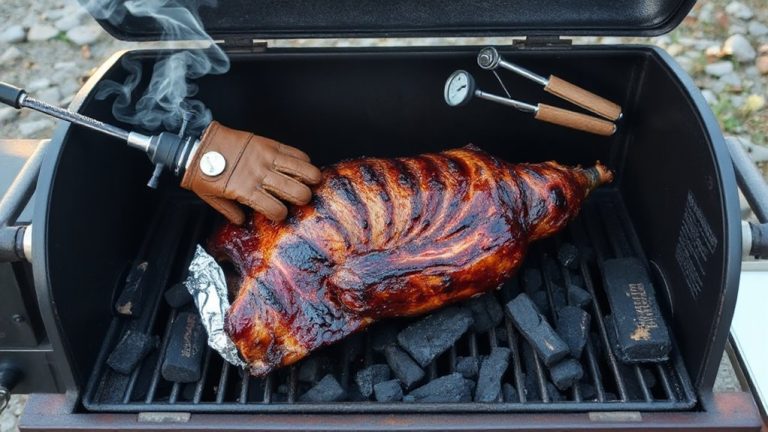
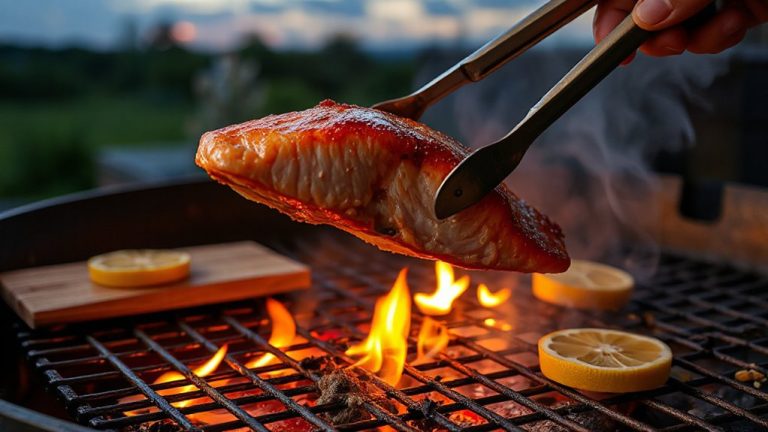
You’ve got your sticky Asian glaze simmered and ready, its balance of soy, honey, and rice vinegar poised to transform the ribs, and now it’s time to put that sauce to work on the hibachi. Position the boneless ribs over direct heat, allowing the high, radiant temperature to sear the surface and lock in marinade infusion. The hibachi’s cast iron grates retain heat evenly, promoting consistent browning while encouraging caramelization of sugars in the glaze. Flip once halfway through-frequent turning disrupts char development. Within 4–5 minutes per side, the ribs develop a rich, smoky finish thanks to the open flame and minimal flare-ups. Unlike gas grills, the hibachi’s exposed fire enhances flavor through mild smoke circulation, especially if using hardwood charcoal. This method prioritizes speed and flavor concentration, making it ideal for thin cuts. Glaze just before removing to prevent burning.
Prevent Sticking & Get Even Char
Over a well-prepped hibachi, achieving clean sear marks without tearing the meat starts with proper grate management. You’ve got to nail both grill temperature and surface preparation. Heat the grates until they’re hot-around 400–450°F-before cooking; this initial burst helps sear the ribs quickly and reduce sticking. Brush the grates clean with a stiff wire brush, then apply a thin coat of high-smoke-point oil using a cloth or tongs and oiled rag. This isn’t just for show-it creates a non-stick barrier critical for delicate boneless cuts. Uneven heat leads to hot spots, so spread coals evenly or adjust gas burners for consistent output. When the surface is slick and the temperature stable, your ribs will release cleanly and develop an even char. Proper prep doesn’t guarantee perfection, but it dramatically improves control, texture, and appearance every single time. For consistent results, use a high-quality grill cleaning brush that effectively removes carbonized residue without damaging the grates.
Serve & Repurpose Asian-Glazed Ribs
How do you make the most of those glossy, smoky-sweet ribs once they come off the grill? Serve them hot off the hibachi with steamed jasmine rice and pickled vegetables for a balanced plate-the sticky glaze pairs perfectly with bright, tangy sides. You can also chop the ribs into bite-sized pieces and toss them over a crisp cabbage slaw for an elevated salad. For meal prep, these ribs shine. Store leftovers in airtight containers and reheat gently to preserve texture. Leftover ideas include shredding the meat for rice bowls, adding it to noodle stir-fries, or folding it into lettuce wraps with fresh herbs. The bold umami flavor carries well across dishes, reducing prep time during busy weeks. Repurposing leftovers isn’t just practical-it maximizes flavor and minimizes waste, a hallmark of efficient outdoor cooking. With proper storage, glazed ribs stay flavorful for up to four days, making them a reliable centerpiece or ingredient.
On a final note
You’ve grilled boneless ribs on a hibachi with a sticky Asian glaze, and the results speak for themselves. High heat sears quickly, locking in flavor while developing a rich char. The glaze caramelizes beautifully but needs careful monitoring to avoid burning. Hibachis offer responsive temperature control, making them ideal for precise searing. These compact grills deliver restaurant-quality results when managed well, proving their worth in any outdoor cooking setup.