Grilling Vegetables on the Indirect Side While Searing Steaks Directly
You’re setting up your grill right when you use a two-zone fire-sear steaks over direct heat for a crisp crust, then move them to rest on the indirect side. At the same time, firm vegetables like bell peppers, zucchini, and red onions cook gently without burning. This method balances precision and efficiency, letting you maximize flavor and timing. Dense veggies caramelize slowly, while meats retain juices through carryover cooking-smart grilling that gets even better with a few strategic tweaks.
Notable Insights
- Use a two-zone grill setup to sear steaks over direct heat while cooking vegetables indirectly.
- Sear steaks first, then move them to rest on the indirect side to free up space.
- Place firm vegetables like bell peppers, zucchini, and onions on the indirect zone to cook evenly.
- Time vegetable placement to finish cooking during the steak’s 5–10 minute resting period.
- Rotate vegetables once for even doneness and enhance flavor with smoked paprika or herbed salt.
How to Set Up a Two-Zone Grill for Steaks and Veggies
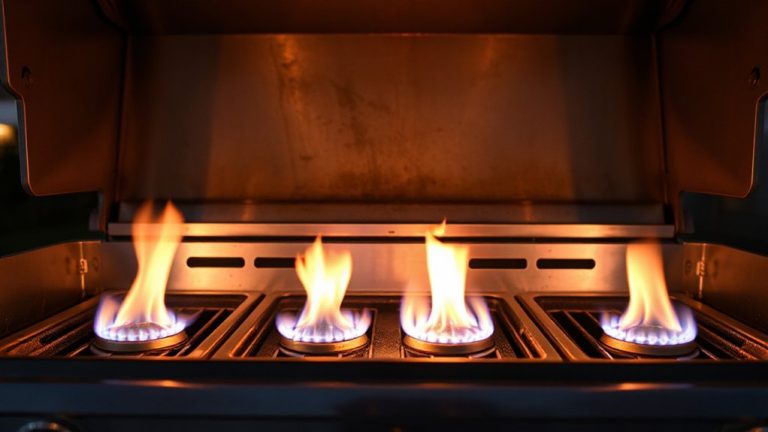
While setting up a two-zone grill might sound like a technique reserved for barbecue purists, it’s actually one of the most practical moves you can make when cooking both steaks and vegetables at the same time. You’ll need one side hot for searing, the other off to let food finish cooking gently. With charcoal, pile coals on one half; for gas, simply leave one burner off. Your choice of fuel types affects heat control and cleanup-propane offers convenience, while lump charcoal gives higher temps and better smoke flavor. Either way, consistent grill maintenance is key: clean grates prevent sticking, and removing debris prolongs your grill’s life. A well-maintained grill also guarantees even heat distribution, critical when managing two zones. You’ll get better sear marks, fewer flare-ups, and more reliable results across proteins and produce. Set it up right, and you’re not just grilling-you’re mastering control.
Why Two-Zone Grilling Works for Meat and Vegetables
Because steaks and vegetables respond differently to heat, managing their cooking times and temperatures becomes much easier with a two-zone setup. You’re after a quick, high-heat sear for your steaks-those grill marks and flavor infusion only direct heat delivers. But vegetables need patience; they cook slower, benefiting from the gentle warmth of the indirect zone without burning. This method improves heat retention on the grill, letting you maintain steady temperatures. You’re not just grilling-you’re controlling the environment. That consistency means juicier meat and evenly cooked veggies. Plus, with meats resting on the indirect side after searing, carryover cooking happens without flare-ups. You avoid charring vegetables while still deepening their flavor through slow caramelization. The design isn’t just convenient-it’s effective, giving you better outcomes by aligning cooking technique with food science.
Best Veggies for the Indirect Grill Zone
Grilled vegetables gain depth without danger of charring when placed over the indirect heat zone, and your best bets are those with dense, firm flesh that hold up to longer cooking times. You’ll want to choose veggies like bell peppers, zucchini, eggplant, and red onions-they absorb smoky flavor beautifully while developing a tender crisp texture. Thick asparagus spears and portobello mushrooms also shine here, retaining structure without turning mushy. Unlike softer vegetables, these maintain integrity and offer a satisfying bite. Root vegetables such as potatoes or carrots work well too, especially when par-cooked first. The indirect zone gives you control, letting flavors build gradually instead of burning. You’re not just avoiding flare-ups-you’re maximizing flavor development and consistency. For best results, cut pieces evenly and rotate once. This method rewards patience with depth, balance, and a finish that’s crisp, never limp.
Sear Steaks, Then Add Veggies
You’ve already set up your grill for two-zone cooking, with vegetables gently roasting in the indirect zone to develop smoky depth without burning. Now it’s time to sear your steaks directly over high heat, locking in juices and building a flavorful crust. Once seared, move the steaks to rest away from the heat-proper rest times guarantee tenderness and even juice distribution. While they rest, add more veggies to the indirect zone, letting them absorb grill flavor without overcooking. Pairing bold seasoning blends like smoked paprika or herbed salt on both meat and vegetables enhances harmony across components. Using the right BBQ tools ensures precise searing and safe handling during the transfer to the indirect zone.
| Steak Type | Sear Time (per side) | Ideal Rest Time |
|---|---|---|
| Ribeye | 3–4 minutes | 8–10 minutes |
| New York | 3–4 minutes | 7–9 minutes |
| Filet Mignon | 2–3 minutes | 6–8 minutes |
How to Sync Steak and Veggie Cook Times
While timing can make or break a great grilling session, syncing steak and vegetable cook times is easier when you work backwards from your meat’s resting period. Since steaks need high heat and precise cooking temperatures, sear them first over direct flame, then move to indirect heat to finish. Use that resting time-usually 5 to 10 minutes-to grill vegetables on the cooler side. Thick-cut veggies like bell peppers or zucchini take longer, so start them just before or right after searing. Smaller or tender pieces cook faster, needing only minor timing adjustments. Match each vegetable’s density and moisture content to the grill’s zones. This method guarantees both components finish close together, maximizing flavor and texture. Planning around heat zones and rest times gives you control, turning complex cook schedules into seamless, efficient grilling with reliable results every time.
On a final note
You’ve mastered the setup, and now your grill delivers perfectly seared steaks and tender, smoky vegetables in one go. Two-zone grilling isn’t just efficient-it’s smart cooking, balancing direct heat for caramelization and indirect warmth for even doneness. With timing and placement dialed in, you get restaurant-quality results at home. This method elevates outdoor cooking from basic charring to precise, flavorful control, making it a reliable move for any BBQ session.