Using a Konro Grill to Sear Ahi Tuna Steaks for Poke Bowls
You’ll want sushi-grade ahi tuna, sliced about ¾ inch thick and patted dry before chilling briefly to firm up. Fire up your konro grill with binchotan charcoal until the coals glow white-hot-this intense, clean heat gives a superior sear in just 60 to 90 seconds per side. Grill at a 45-degree angle, rotate for crosshatch marks, and keep the center rare for that buttery texture perfect for poke. A light oil drizzle and post-sear seasoning enhance flavor without masking the tuna’s freshness. The konro’s radiant heat locks in juices faster than gas, delivering restaurant-quality results every time, especially when you know the exact timing and prep nuances that make all the difference.
Notable Insights
- Use sushi-grade ahi tuna, verified for freshness and safety, to ensure optimal quality for searing and serving raw.
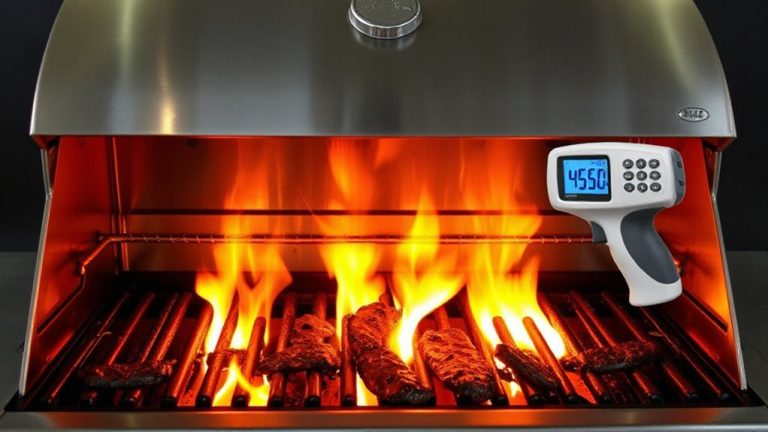
- Preheat the konro grill with binchotan charcoal until white-hot to achieve a fast, even sear on the tuna.
- Pat tuna steaks dry and lightly oil them to enhance browning without steaming on the grill.
- Sear tuna for 60–90 seconds per side at a 45-degree angle, then rotate to create a crosshatch pattern.
- Slice grilled tuna thinly against the grain and serve over rice or greens to build a flavorful poke bowl.
Choose Fresh Ahi Tuna for Poke Bowls
While the quality of your grill can elevate any meal, it starts with the ingredient-especially when you’re preparing something as simple and exposed as poke. You need top-tier ahi tuna, and that means prioritizing sushi grade sourcing. This isn’t just marketing-it’s a guarantee the fish was frozen promptly to eliminate parasites and handled with strict hygiene. Trust only reputable suppliers who can verify origin and handling. When inspecting the tuna, look for deep ruby color and firm texture. Any dullness or soft spots means it’s past prime. For poke bowls, aim for an ideal cut thickness of about ¾ inch. Too thin, and it overcooks or chews tough; too thick, and seasoning won’t penetrate evenly. Even if your konro grill delivers perfect sear, poor tuna ruins the dish. Great outdoor cooking doesn’t excuse subpar ingredients-it demands better.
Set Up and Light Your Konro Grill
Once you’ve secured a reliable source for fresh ahi tuna, turning your attention to the konro grill makes sense-its compact, portable design isn’t just convenient, it’s engineered for precision. You’ll appreciate how quickly it heats up, thanks to its efficient charcoal chamber and open-flame grilling style. When choosing fuel options, binchotan (Japanese hardwood charcoal) is ideal-clean-burning, long-lasting, and hot enough to sear tuna in seconds. It’s pricier than standard charcoal, but the performance justifies the cost. Before lighting, verify your grill is on a stable, heat-resistant surface. Use a chimney starter to light the coals, avoiding lighter fluid that can taint flavor. Proper grill maintenance keeps it performing well: after cooling, remove ash buildup and wipe down surfaces. A well-maintained konro grill guarantees consistent results, making it a worthwhile tool for outdoor cooks who value control and quality. For those seeking top-performing models, consider checking out the best konro grills based on heat efficiency and build quality.
Prep Ahi Tuna: Pat, Chill, and Slice
Since your konro grill is heating up and the binchotan is glowing evenly, now’s the time to focus on preparing the ahi tuna properly-how you handle the fish before it hits the grates makes a real difference in texture and sear. Start by patting the tuna steaks dry; moisture inhibits searing and promotes steaming. For best results, chill the fish for 15 minutes-this firms the texture, aiding clean slicing later. While some opt for tuna marination, a minimalist approach works best here: just a light oil drizzling to promote even browning. Avoid heavy marinades; they overwhelm the delicate flesh.
| Step | Purpose | Recommended Practice |
|---|---|---|
| Pat dry | Remove surface moisture | Use paper towels, press gently |
| Chill | Firm up flesh | Refrigerate 10–15 minutes |
| Oil drizzling | Aid searing | Use neutral oil, apply thinly |
| Slice prep | Guarantee even portions | Cut against the grain, 1-inch thick |
Sear Ahi Tuna on the Konro Grill
Though the konro grill’s compact size might suggest otherwise, it delivers intense, focused heat ideal for searing ahi tuna quickly and evenly. You’ll want to preheat the grill until the binchotan coals glow white-hot-this guarantees a clean sear without overcooking. Place the chilled tuna steaks directly over the flame at a 45-degree angle for those crisp, restaurant-quality grill marks. After 60 to 90 seconds, rotate and flip for crosshatch patterning and even heat distribution. The thin cuts mean that timing is critical; for perfect tuna doneness, aim for rare to medium-rare at the center. Overcooking ruins the buttery texture, so pull the fish off while the inside remains cool. The konro’s radiant heat locks in juices faster than gas grills, making it superior for precision searing.
Season Grilled Tuna for Maximum Flavor
If you want your grilled ahi tuna to deliver bold, restaurant-quality flavor, seasoning it properly after searing is just as essential as getting the cook time right. While marinade blends add depth before grilling, a final seasoning touch post-cook enhances aroma and taste without overpowering the fish’s natural richness. Spice rubs applied lightly after searing can introduce warmth and complexity, especially those with toasted sesame, garlic, or smoked paprika. For best results, pair your tuna with balanced flavor combinations using high-quality ingredients. Choosing the right best BBQ rubs can make a significant difference in achieving professional-grade results at home.
| Flavor Profile | Recommended Blend | Best Paired With |
|---|---|---|
| Umami-rich | Soy-ginger marinade | Sesame oil, green onion |
| Smoky-sweet | Chipotle spice rub | Mango, avocado |
| Citrus-herb | Lemon-thyme blend | Microgreens, yuzu |
Assemble Fresh Poke Bowls With Grilled Tuna
You’ve grilled your ahi tuna to a perfect sear, locking in moisture while building layers of flavor with a well-chosen rub or marinade. Now it’s time to showcase that richness through thoughtful poke bowl presentation. Slice the tuna thinly against the grain and arrange it over a base of sticky rice or mixed greens-this contrast enhances texture and visual appeal. Fresh ingredient pairing is key: think vibrant diced mango, creamy avocado, crisp cucumber, and pickled red onion. A sprinkle of sesame seeds or microgreens adds height and elegance. The smoky depth from the grill elevates the bowl beyond typical raw preparations, offering a more complex taste profile. Balanced seasoning and strategic layering guarantee each bite reflects careful craftsmanship. When done right, the result isn’t just satisfying-it’s a demonstration of how grilled seafood can transform a simple dish into something exceptional.
Why the Konro Grill Beats Other Methods
Because its compact size and efficient heat management deliver consistent, high-temperature searing, the Konro grill stands out as a superior choice for cooking ahi tuna steaks compared to larger gas or electric grills. You get precise control over the flame, thanks to its adjustable air vents and close-proximity grilling, letting you sear quickly without overcooking the center. Unlike bulkier setups, the Konro heats fast and maintains even temperatures, ensuring restaurant-quality results at home. Its use of natural charcoal imparts subtle smoky undertones that enhance the fish’s flavor without overpowering it-something gas grills often lack. Plus, cleanup’s easier, and it’s portable enough for small patios or outdoor gatherings. While electric grills offer convenience, they can’t replicate the depth of flavor or charring precision you achieve here. For searing delicate proteins like ahi tuna, the Konro’s blend of efficiency, flavor enhancement, and hands-on control makes it the clear winner.
On a final note
You’ve seen how a konro grill delivers intense, even heat ideal for searing ahi tuna quickly while preserving its tender interior. Its compact design suits small spaces, yet it outperforms many larger BBQs in heat control and fuel efficiency. For poke bowls, this means restaurant-quality results at home-perfectly charred edges, cool center, bold flavor. Lightweight and simple to maintain, the konro earns its place as a top choice for precise, open-flame cooking.