Smoking Pork Tenderloin: Avoiding Overcooking and Drying Out
Leave the fat on your pork tenderloin-it protects against drying during the smoke. Stick to 225°F for even, low-and-slow cooking that preserves juiciness without toughening the meat. Use a sugar-free rub to avoid bitter, burnt flavors over long exposure. Skip brining; it won’t add moisture and can ruin texture. Pull at 140°F-carryover heat will bring it to 145°F safely. Rest 10 minutes under loose foil before slicing. There’s more to perfecting the process just ahead.
Notable Insights
- Leave the fat layer intact to protect the meat and retain moisture during smoking.
- Smoke at a steady 225°F to slowly break down collagen without drying out the tenderloin.
- Use a sugar-free dry rub to prevent bitter, burnt crust during extended smoking.
- Skip brining, as pork tenderloin naturally stays juicy and can become mushy if over-brined.
- Pull the tenderloin at 140°F and rest for 10 minutes to allow carryover cooking and juice retention.
Skip the Trim: Pork Tenderloin Should Stay Lean
Tenderness starts with preservation-so resist the urge to trim your pork tenderloin. This cut is naturally lean, with minimal marbling content compared to fattier pork parts, meaning every bit of fat helps retain moisture during smoking. Removing excess fat or silver skin might seem tidy, but you’re risking dryness. That thin layer protects the meat from heat and contributes to juiciness. Unlike brisket or shoulder, pork tenderloin has little connective tissue, so it won’t break down over long cook times. Trimming reduces its ability to self-baste, increasing the chance of overcooking. Leave it intact to preserve flavor and texture. In outdoor cooking, where temperature control can be tricky, maintaining that natural barrier guarantees better results. You’ll get a more succulent, evenly cooked tenderloin by skipping the trim. It’s not laziness-it’s smart, practical barbecue. Protect the cut, and let low heat do the work without compromise.
Smoke Low and Slow at 225°F
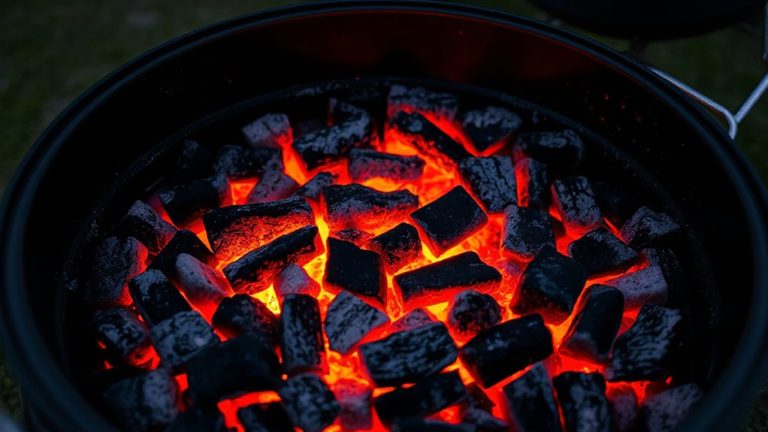
You’ve left the fat intact to shield the meat and locked in moisture, so now it’s time to focus on heat management-specifically, holding your smoker steady at 225°F. This temperature allows collagen to break down without squeezing out juices, guaranteeing a tender result. Maintain consistent smoke duration-typically 1.5 to 2.5 hours-depending on thickness, to avoid overcooking. Going hotter risks dryness; going colder prolongs exposure and can lead to texture loss. Your wood selection matters: fruitwoods like apple or cherry impart a mild, sweet flavor that complements pork without overpowering it. Avoid dense, heavy-smoking woods like hickory in excess-they can dominate delicate meat. A clean, steady burn at 225°F with proper airflow guarantees even cooking and clean smoke, which is essential for flavor development. Manage your fire carefully, because stability directly impacts quality. For those also interested in smoking beef, choosing the right cut like a well-marbled ribeye can make a significant difference in flavor and tenderness, much like selecting the best steak for smoking.
Use a Sugar-Free Rub to Prevent Burning
A well-chosen dry rub can make or break your smoked pork tenderloin, especially when sugar content is a factor. Smoking at 225°F for over an hour risks burning sugared rubs, leading to bitter flavors and an unappealing crust. You’re better off skipping sugar entirely and focusing on spice balance to build depth without the char. Ingredients like smoked paprika, garlic powder, and black pepper enhance the meat’s natural flavor while remaining heat-stable. If you want sweetness, opt for sugar alternatives such as monk fruit or erythritol-they mimic sweetness without caramelizing too quickly. These substitutes integrate well without compromising texture or taste. A balanced, sugar-free rub won’t just prevent burning; it’ll let the smoke and pork shine. Over time, you’ll find that complexity comes from seasoning precision, not sugar. It’s a small change with noticeable results in both appearance and flavor.
Skip Brining: It’s Not Needed for Tenderloin
Pork tenderloin’s naturally high moisture content and delicate muscle structure mean it retains juices well during a smoke, so brining it often does more harm than good. You’ll risk oversaturating the meat, leading to a mushy texture and diluted flavor. Instead of brining, consider marinade alternatives like dry rubs with acid-based components-think citrus zest or vinegar powders-that penetrate without compromising texture. For deeper seasoning, flavor injections work efficiently, delivering herbs, garlic, or apple juice directly into the muscle. These methods offer better control over taste and consistency. A proper brining container is essential when handling larger cuts like turkey, but isn’t necessary for tenderloin due to its size and quick preparation needs.
Pull at 140°F for Perfect Doneness
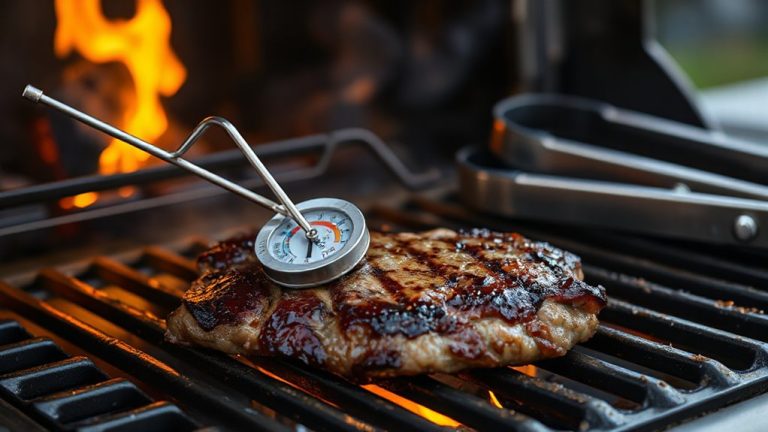
While many meats benefit from higher finishing temperatures, pork tenderloin reaches its ideal balance of juiciness and safety when pulled at 140°F-a reading best confirmed with a reliable instant-read thermometer inserted into the thickest part. At this internal temperature, the meat is safely cooked but still嫩, avoiding the dryness that comes from overcooking. You don’t need to aim higher because carryover cooking will raise the temperature by 5–10 degrees once you remove it from the smoker. That residual heat gently finishes the process without sacrificing moisture. Relying on a precise internal temperature prevents guesswork and guarantees consistency, especially with lean cuts like tenderloin. Unlike brisket or ribs, where higher final temps are standard, tenderloin’s delicate texture demands a lower pull point. Monitoring closely and pulling early gives you the best outcome-tender, juicy slices with a slight pink hue, exactly as modern pork should be served. For consistent results, consider using a high-accuracy instant-read thermometer.
Rest 10 Minutes After Smoking
Letting your smoked pork tenderloin sit for at least 10 minutes after coming off the smoker isn’t just a suggestion-it’s a critical step in locking in juiciness and ensuring even doneness from edge to center. During this rest, carryover cooking gently raises the internal temperature, especially near the core, while heat redistribution evens out temperature gradients across the meat. That means the hotter exterior won’t leave the inside underdone or the outer edges dry. Cover it loosely with foil and let it rest on a warm tray-don’t slice right away. Cutting too soon releases precious juices, leaving your tenderloin less succulent. This short wait improves texture and flavor evenly throughout, making your effort behind the smoker pay off fully. In barbecue, patience isn’t passive-it’s precision. Resting isn’t downtime; it’s part of the cook.
Avoid Searing: It Dries Out Tenderloin
Though high heat can add color, searing a smoked pork tenderloin afterward often does more harm than good-especially given how lean the cut already is. You risk pushing the internal temperature too high, which compromises its juicy texture and leads to dryness. Since smoking already builds a flavorful crust through the Maillard reaction and smoke penetration, searing doesn’t enhance flavor retention-it threatens it. The low-and-slow method locks in moisture and develops taste gradually, so adding a hot sear at the end can undo that careful work. If you’re aiming for visual appeal, know that a well-smoked tenderloin develops a rich bark naturally. Plus, resting it for 10 minutes as recommended preserves juices without needing extra browning. Skip the sear to protect both moisture and flavor retention. Your result? A consistently tender, juicy texture from edge to center-exactly what great BBQ should deliver.
On a final note
You’ve smoked low and slow at 225°F, used a sugar-free rub to avoid burning, and pulled the tenderloin at 140°F-just right for juicy, tender results. Skipping the trim and brine preserves natural moisture, while resting guarantees even juiciness. Searing risks dryness, so skip it. This method delivers reliable, flavorful pork every time, perfect for hands-off outdoor cooking that balances precision with simplicity.