Managing Creosote Buildup in Wood-Fired Grills to Maintain Heat Efficiency
You lose heat efficiency when creosote coats your grill’s firebox and chimney, insulating instead of transferring heat. It forms from incomplete combustion-often due to wet wood or poor airflow-leaving sticky, flammable residue that hampers performance. You’ll spot it as glossy black deposits or tar-like streaks. Clean cooled grills with stiff brushes and scrapers, then prevent reaccumulation by burning seasoned hardwood and optimizing ventilation. Choose dry fuel and steady airflow, and you’ll keep your grill running hotter, cleaner, and safer with every cook. There’s a smarter way to maintain peak performance over time.
Notable Insights
- Creosote buildup insulates the firebox and flue, reducing heat transfer and grilling efficiency.
- Incomplete combustion from wet wood or poor airflow increases creosote formation in wood-fired grills.
- Thick, glossy, or tar-like deposits in the flue or hood signal dangerous creosote accumulation.
- Clean cooled grills with proper tools like wire brushes and scrapers to safely remove creosote residue.
- Burn seasoned hardwood with less than 20% moisture to minimize smoke and prevent creosote buildup.
Understand How Creosote Reduces Grill Heat
While you might not notice it at first, creosote buildup can seriously undercut your grill’s ability to maintain consistent heat. As layers accumulate inside the firebox and flue, they act as an insulating barrier, disrupting heat transfer from the fire to the cooking surface. You’re likely to see uneven cooking temperatures and longer preheat times-classic signs of efficiency loss. This isn’t just about inconvenience; inefficient heat distribution forces you to burn more wood to achieve desired results, increasing fuel costs and environmental impact. Over time, poor heat management degrades food quality, making it harder to sear meats properly or maintain low-and-slow smoking temps. Serious outdoor cooks know that peak grill performance hinges on clean airflow and direct thermal conductivity-both compromised by creosote. Regular cleaning isn’t optional if you value precision, flavor, and long-term grill durability. Preventing excessive buildup keeps your system running hotter, faster, and more efficiently.
Know How Creosote Forms in Wood-Fired Grills
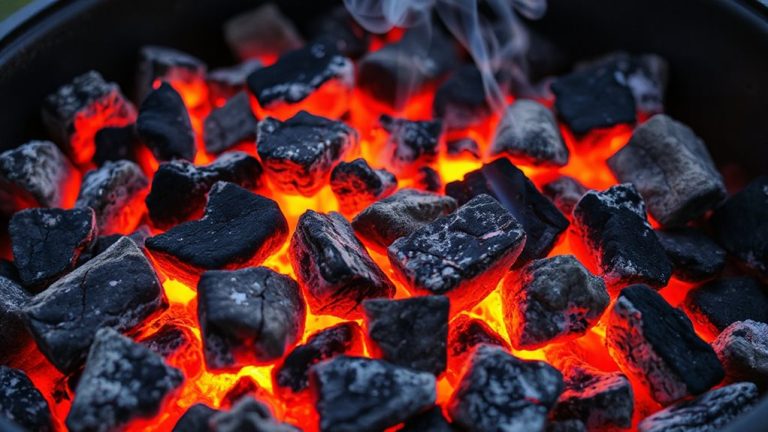
You’ve seen how creosote messes with your grill’s heat, but understanding where it comes from helps you stop it before performance drops. Creosote forms when wood burns incompletely, releasing smoke laden with unburned particles, vapors, and tar. This happens when combustion science breaks down-low temperatures, poor airflow, or wet wood keep flames from fully consuming fuel. As this thick smoke rises and hits cooler surfaces like your grill’s chimney or interior walls, it condenses into sticky creosote. It all ties back to wood chemistry: hardwoods like oak or hickory contain lignins and cellulose that, when burned cleanly, produce steady heat and minimal residue. But if your fire’s smoldering instead of roaring, those same compounds turn into buildup that hurts efficiency and flavor. Managing airflow and using dry, seasoned wood aren’t just best practices-they’re essential steps grounded in combustion science to keep your wood-fired cooking effective and safe.
Spot the Signs of Dangerous Creosote Buildup
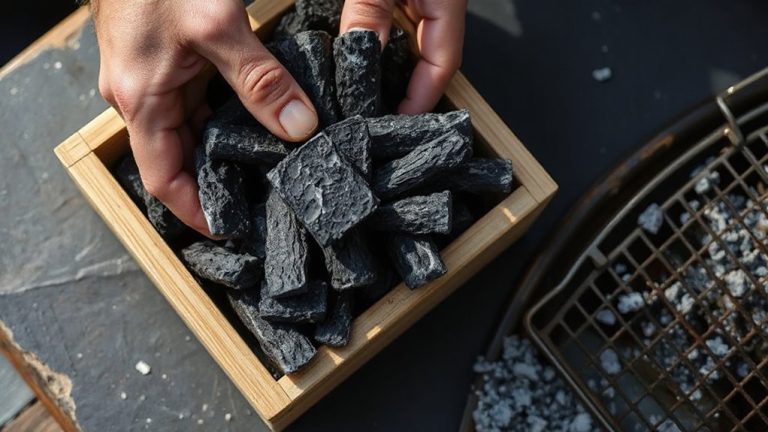
A thick, glossy layer of creosote clinging to your chimney liner or grill hood isn’t just unsightly-it’s a red flag for dangerous buildup that could compromise both your cooking experience and safety. If you notice creosote discoloration, especially dark, tar-like streaks or a shiny black sheen, it means combustion byproducts aren’t escaping properly. That sticky residue is highly flammable and increases fire risk markedly. You might also experience sudden flare ups during grilling-unpredictable bursts of flame caused by ignited creosote deposits. These aren’t just messy; they can damage your grill and endanger anyone nearby. Thick buildup insulates your fire, reducing heat transfer and efficiency. Over time, poor airflow and residue accumulation degrade performance. Recognizing these signs early helps maintain ideal function and keeps your outdoor cooking safe. Don’t ignore visual or behavioral cues-your grill’s operation depends on it.
Scrub Creosote Safely: A Step-by-Step Cleanout Guide
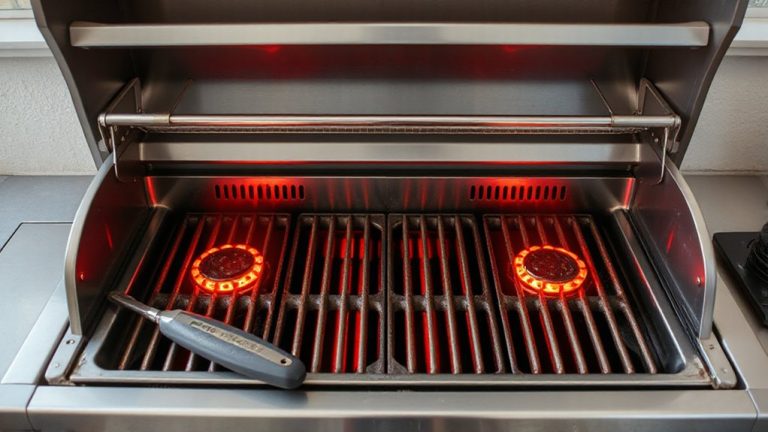
After letting your grill cool completely-never start cleaning while it’s hot-gear up with heat-resistant gloves, safety goggles, and a dust mask to protect against irritating residue and ash. Proper safety precautions are essential for effective grill maintenance and your personal well-being. Use a stiff wire brush to scrub creosote from the firebox, grease tray, and cooking grates. Focus on corners and flue openings where buildup hides. For stubborn deposits, a plastic scraper helps without damaging surfaces. Always dispose of creosote waste in a metal container.
| Tool | Purpose | Frequency |
|---|---|---|
| Wire brush | Remove light buildup | After 3–5 uses |
| Scraper | Tackle thick deposits | Monthly |
| Vacuum | Clear ash and fines | After each clean |
| Inspection mirror | Check hard-to-see areas | With every deep clean |
Stay consistent-routine cleaning keeps your grill efficient and safe.
Burn Dry Wood to Prevent Creosote Buildup
Using properly seasoned hardwood isn’t just best practice-it’s essential for minimizing creosote accumulation in your wood-fired grill. You need wood with low moisture-ideally under 20%-because high wood moisture cools the fire and hinders complete combustion. When wood doesn’t reach its proper ignition temperature, it smolders instead of burning clean, releasing more smoke and unburned particles that condense into sticky creosote. Dry wood ignites easier, burns hotter, and sustains consistent heat, directly improving efficiency and reducing dangerous residue. You’ll notice less black buildup and better flavor in your food. Wet or green wood may seem cheaper or more convenient, but it undermines performance and increases cleanup frequency. Choosing seasoned oak, hickory, or maple isn’t just about tradition-it’s a practical decision that affects safety, heat control, and maintenance. Keep your wood dry and covered, and always verify dryness before cooking. For optimal smoke flavor and clean burns, consider using high-quality best wood chips for smoking.
Boost Airflow to Cut Creosote and Smoke
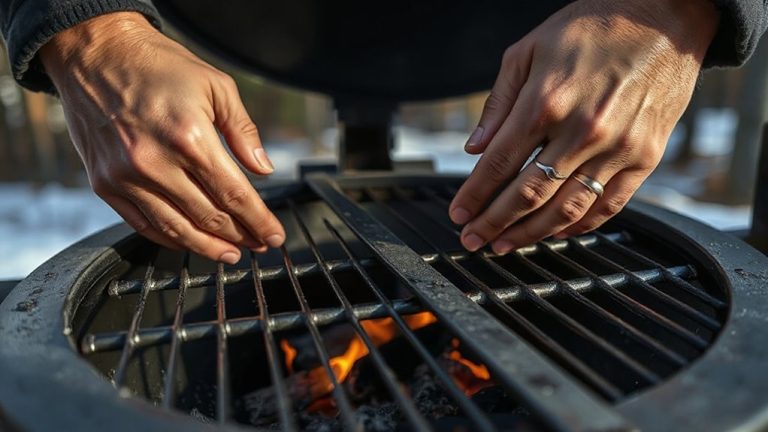
Keep that fire hot and clean by making sure your grill gets enough air-moisture-controlled wood helps, but without proper airflow, even the driest splits can’t burn efficiently. You need a strong chimney draft to pull smoke and gases upward, preventing creosote from condensing on cooler surfaces. Restricted airflow leads to smoldering fires, which increase smoke production and creosote accumulation. Adjust your grill’s vents to maintain steady combustion: too little oxygen creates thick smoke, while too much cools the fire. A consistent draft regulates temperature and improves burn completeness. Even with low fuel moisture, poor airflow undermines efficiency. You’ll notice better heat retention and cleaner exhaust when combustion is optimized. Always monitor your smoke-clean, nearly invisible exhaust means you’ve got the right balance. Proper ventilation isn’t just about temperature; it’s about sustaining a clean burn that protects your grill and your food.
On a final note
You’ve seen how creosote saps heat and poses risks, but regular maintenance keeps your wood-fired grill running efficiently. Burning dry wood and ensuring proper airflow aren’t just best practices-they’re essential for peak combustion. Cleaning creosote buildup safely improves performance and safety. In outdoor cooking, consistent care translates to better flavor, steady temperatures, and longer equipment life. A well-maintained grill doesn’t just perform better-it earns trust with every smoke-kissed result.