How to Adapt Traditional Argentine Parrilla Techniques to Home Charcoal Setups
Use hardwood lump charcoal like quebracho for hotter, cleaner burns and set up a two-zone grill with coals on one side for searing and open space for indirect cooking. This mimics the parrilla’s radiant heat control. Cook low and slow at 225–275°F, using only coarse salt applied mid-cook to highlight the beef’s natural flavor. Stick to authentic cuts like vacío and entraña. You’ll see how patience shapes every bite-there’s more to uncover about mastering the fire’s rhythm.
Notable Insights
- Use hardwood lump charcoal or dense seasoned woods like quebracho for hotter, longer-lasting heat and cleaner burns.
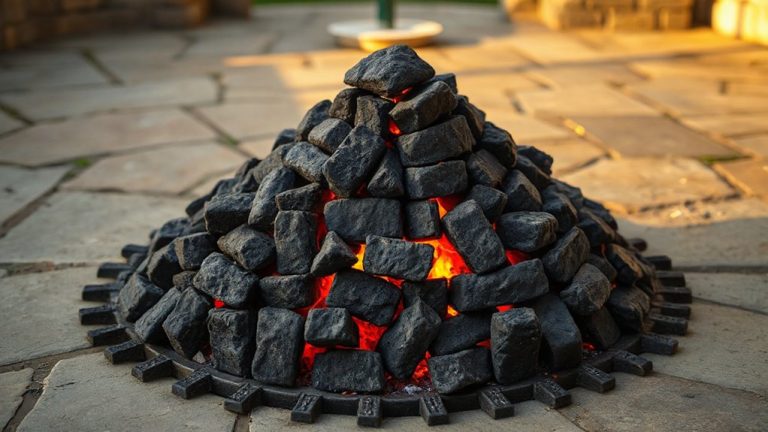
- Set up a two-zone grill by piling coals on one side, leaving the other empty for indirect cooking.
- Maintain steady low-and-slow temperatures (225–275°F) by controlling airflow through bottom and top vents.
- Season meat with coarse salt only during the last 30–60 minutes to preserve juices and enhance natural flavor.
- Focus on traditional cuts like entraña or vacío, and treat grilling as a mindful, communal process, not just cooking.
Choose the Right Charcoal and Wood for Asado
While you might be tempted to grab whatever charcoal is on sale, going for quality hardwood lump charcoal or dense, seasoned hardwoods like quebracho or algarrobo will make a noticeable difference in your asado. These charcoal types burn hotter and longer than briquettes, offering superior heat control-key for authentic results. You’ll also notice less ash and cleaner combustion, which enhances grill maintenance and flavor purity. When it comes to wood pairing, use mild hardwoods like apple or walnut to complement poultry or sausages, while stronger meats like beef ribs benefit from the intense smokiness of quebracho. Avoid softwoods or treated lumber-they introduce harmful chemicals and off-flavors. Proper wood pairing doesn’t just add aroma; it balances the char and natural oils released during slow cooking. Your choice of fuel directly impacts crust formation, juiciness, and the Maillard reaction, so invest time in selecting the right charcoal types and wood pairing for consistent, restaurant-quality results at home. For those transitioning to electric setups, a best beginner electric smoker can simplify temperature control while still achieving rich, smoky depth.
Set Up a Two-Zone Asado-Style Grill
You’ve picked the right charcoal and wood to fuel your asado, so now it’s time to arrange your grill for real control. Spread coals densely on one side of the firebox to create a hot zone, leaving the other side empty-this two-zone setup mimics the classic parrilla layout. Proper grill placement is essential: position the grill so wind doesn’t disrupt airflow control, and keep it on a level, stable surface. Adjust the bottom and top vents to regulate temperature-partially closed vents slow combustion, while open ones boost heat and smoke flow. A well-balanced setup gives you flexibility, letting you sear meats over intense direct heat or gently warm them indirectly. This arrangement isn’t just traditional-it’s functional, offering consistent performance. With smart airflow control and thoughtful grill placement, you gain precision, reduce flare-ups, and cook like an experienced asador, even at home. For optimal results, choose a high-quality charcoal grill that enhances heat retention and airflow management.
Master Low-and-Slow Indirect Grilling
When cooking thick cuts like beef ribs or whole chickens, relying solely on direct heat often leads to charred exteriors and undercooked centers-so shifting to low-and-slow indirect grilling makes all the difference. You’ll want to bank your coals to one side, creating a gentle, radiant heat zone where ember control is key-aim for a steady 225–275°F. This method relies on consistent smoke circulation, so avoid overcrowding the grill and keep the lid on as much as possible. Thick cuts absorb flavor gradually while rendering fat evenly, yielding tender, juicy results. Unlike high-heat searing, this technique demands patience and minimal intervention. Proper airflow management guarantees clean-burning coals and stable temperatures. With practice, you’ll learn how subtle shifts in coal placement affect cooking efficiency. Mastering indirect heat transforms your home setup into a capable asado-style rig, delivering the deep, smoky complexity the parrilla is known for-without flare-ups or guesswork. A well-ventilated charcoal grill for camping ensures optimal airflow and temperature control even in outdoor conditions.
What Makes Argentine Asado Unique?
| Element | Function | Meaning |
|---|---|---|
| Fire | Slow heat source | Patience and control |
| Meat cuts | Variety and placement | Respect for the animal |
| Shared roles | Serving, waiting, eating | Communal ritual and trust |
You don’t rush it-you live it, moment by moment.
Salt, Then Step Away: The Asador’s Seasoning Rule
Though some might be tempted to season boldly with herbs or spices, the traditional asador knows that simplicity defines authenticity-salt is the only essential, and timing is everything. You should apply coarse salt only after the meat develops a dry surface, typically 30–60 minutes into cooking, to avoid drawing out moisture too soon. This careful seasoning timing guarantees a crisp exterior while preserving juices within. Forget marinades or spice rubs; even brine infusion, while effective for moisture retention in other traditions, masks the pure beef flavor central to asado. The asador relies on skill, not additives. Once salted, step away-no basting, no flipping. Let the heat and smoke work undisturbed. This restraint separates true asado from grilled fare. Proper technique yields clean, bold taste enhanced by fire, not hidden beneath layers. Mastery lies in patience, precision, and trust in the process.
Grill Authentic Asado Cuts at Home
The cut of meat makes all the difference in nailing authentic asado-skip the standard steaks and ribs most backyard grillers reach for and focus instead on traditional Argentine selections like entraña, vacío, or matambre. These beef cuts deliver richer textures and deeper flavors when cooked over steady charcoal. Forget marinating myths; authentic asado relies on meat quality and fire control, not sauces or acidic baths that mask natural taste. Salt enhances, but doesn’t replace, the value of well-aged, grass-fed beef. To help you choose the right cut, consider:
| Cut | Flavor Profile | Texture |
|---|---|---|
| Entraña | Intense, beefy | Tender, juicy |
| Vacío | Rich, robust | Slightly chewy |
| Matambre | Savory, mild | Lean, even |
Pick wisely-your grill session hinges on smart beef cuts, not masking them with marinades.
Let the Fire Work: Managing Heat With Patience
When done right, managing your fire gives you control over flavor and texture in a way no gas grill ever could, so don’t rush the coals-let them burn down until they’re covered in fine gray ash and radiating steady, even heat. True fire management means resisting the urge to ignite and cook immediately. Instead, you’re building layers of control: start with a two-zone setup, piling coals on one side for indirect cooking. This allows precise heat control, letting you move food based on thickness or doneness. You’ll notice thinner cuts sear fast over direct heat, while thicker ones benefit from slower, radiant warmth. Constantly adjusting airflow through vents fine-tunes temperature without adding fuel. Patience here isn’t passive-it’s active oversight. Skilled fire management transforms unpredictable flames into a reliable cooking tool. With practice, you’re not fighting the fire; you’re guiding it, achieving results that mirror the steady hand of an Argentine *asador*.
On a final note
You’ve now brought Argentine parrilla tradition into your backyard with precision. Using hardwood charcoal and indirect heat, you replicate the slow, radiant cooking that defines asado. Proper cut selection, minimal seasoning, and patient fire management are key. While home setups can’t fully match a 6-foot parilla, your two-zone grill delivers authentic flavor. Mastery comes not from equipment, but respect for process-letting fire, time, and quality meat do the work, just as the gauchos intended.