Using a Cast Iron Plancha on the Hot Zone for Vegetables While Meat Rests Indirectly
You’re using a cast iron plancha on the hot zone while meat rests over indirect heat to maximize efficiency and flavor control. This two-zone setup lets you sear vegetables at high heat without flare-ups, while the meat finishes resting undisturbed. The seasoned plancha delivers even, restaurant-grade char and prevents taste transfer, so your veggies caramelize instead of steam. Proper maintenance keeps it performing well over time-there’s more to getting it just right.
Notable Insights
- Position the cast iron plancha over the grill’s hot zone to sear vegetables while meat rests over indirect heat.
- Preheat the plancha thoroughly to ensure high, consistent heat for optimal caramelization during the meat’s resting time.
- Slice vegetables uniformly to promote even cooking and efficient searing in the 5–10 minute rest window.
- Use the plancha’s retained heat to prevent steaming, ensuring smoky, restaurant-quality char on vegetables.
- Clean and maintain the plancha post-use by scraping, deglazing, and oiling to preserve seasoning and performance.
Position Your Plancha and Meat for Two-Zone Grilling
On a well-prepped grill, setting up for two-zone cooking isn’t just smart-it’s essential when you’re managing both meat and vegetables. You’ll want direct and indirect zones to control heat distribution effectively. Place your meat over the indirect side, where it can rest and finish cooking slowly without charring. Meanwhile, set the cast iron plancha directly over the hot zone for consistent, high-heat searing. Proper grill placement guarantees the plancha absorbs maximum radiant heat, creating an ideal surface for vegetables while meat stabilizes. The even heat distribution across the plancha’s surface prevents hot spots and promotes uniform browning. This setup isn’t just efficient-it’s strategic, letting you maximize space and flavor without cross-cooking. You’re not just grilling; you’re orchestrating. With the zones clearly separated, you maintain control, reduce flare-ups, and streamline the final stages of your cook with restaurant-level precision and backyard practicality.
Cook Vegetables That Shine on a Hot Cast Iron Plancha
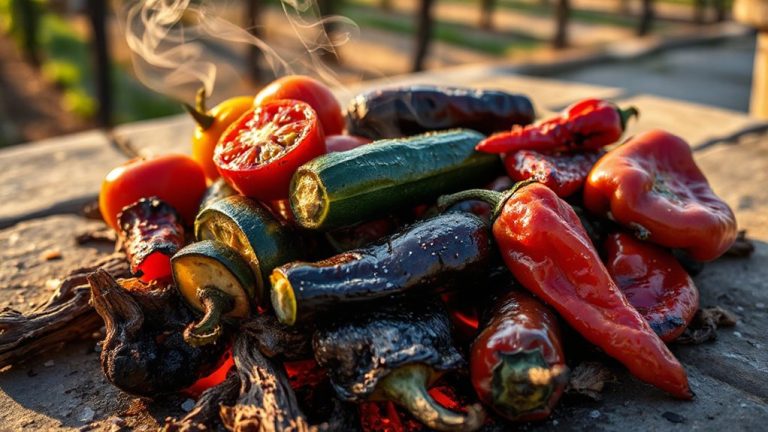
A well-heated cast iron plancha transforms vegetables into smoky, caramelized delights most backyard setups can’t match. You get even heat retention and superior searing, ideal for creating caramelized edges and deep smoke infusion without charring. Slice veggies uniformly for consistent results, and press them slightly to maximize surface contact.
| Vegetable | Ideal Cook Time |
|---|---|
| Zucchini | 3–4 minutes |
| Bell Peppers | 4–5 minutes |
| Asparagus | 5–6 minutes |
| Mushrooms | 4 minutes |
Toss them in oil and seasoning first, then let the plancha do the work. Unlike grates, the solid surface prevents sticking and guarantees even browning. The retained heat also sustains high temps between batches. With proper preheating, you’ll achieve professional-grade texture and flavor. Minimal flipping preserves moisture, while constant contact builds rich, savory notes. This is efficient, effective, and elevates simple sides into standout dishes.
Sync Veggie Cooking With Meat Rest Time
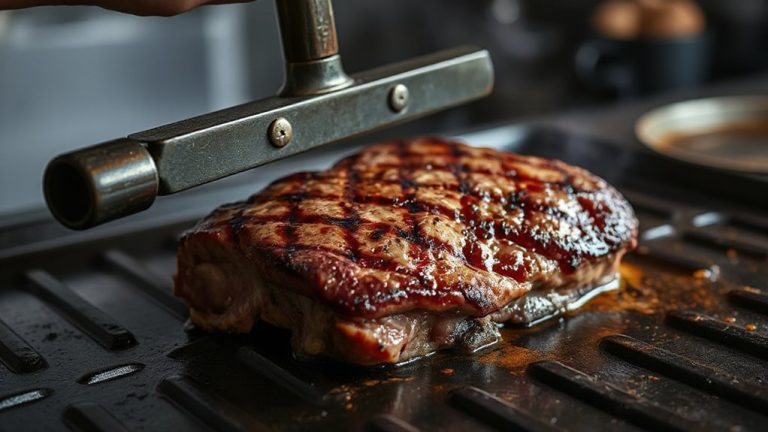
While your meat rests, you’ve got a golden window to bring vegetables to their peak without overcooking the protein or rushing the process. A cast iron plancha retains intense heat, making it ideal for syncing veggie cooking with rest time-typically 5 to 10 minutes, depending on thickness and cut. Smart veggie prep guarantees even cooking; slice consistently so pieces sear uniformly. Toss them in oil just before placing on the hot surface to prevent steaming. Apply bold seasoning blends-think smoked paprika, garlic powder, or herbes de Provence-right after flipping to maximize adhesion and flavor development. The plancha’s consistent surface heat caramelizes edges while preserving crunch, outperforming grates for delicate items. This method leverages residual grill energy efficiently, turning downtime into productive searing. With proper timing and seasoning blends, you achieve restaurant-quality results at home, all while letting meat rest undisturbed. It’s a practical, high-yield strategy for balanced plating.
Get Restaurant-Quality Char, No Flavor Transfer
Since you’re after that deep, restaurant-style char without muddling flavors between proteins and veggies, a cast iron plancha delivers unmatched control and separation. The solid surface guarantees flavor isolation, keeping your bell peppers and zucchini free from residual smokiness of meat. Unlike grates where juices drip and ignite, the smooth top prevents cross-contamination of taste. You’ll achieve even charring across delicate items like mushrooms or asparagus, thanks to consistent contact and retained heat-no hot spots or flare-ups. Cast iron’s thermal mass holds high temps steady, so vegetables caramelize quickly, not steam. You sear efficiently, replicating the precision of professional kitchens. Proper seasoning maintains nonstick performance and prevents sticking that disrupts char development. With a quick scrape post-use, it stays clean and ready. For backyard cooks valuing clean, defined taste profiles and restaurant-grade results, the plancha isn’t just practical-it’s essential for disciplined, high-heat cooking. A well-maintained plancha is one of the best outdoor griddles for achieving consistent, high-heat cooking performance.
Why a Cast Iron Plancha Boosts Grill Efficiency
When you’re managing multiple components of a meal over live fire, the cast iron plancha turns your grill into a high-efficiency cooking station by maximizing usable surface area and eliminating downtime between sears. Its superior heat retention keeps temperatures stable, even when you add cold vegetables or delicate fish. Thanks to consistent surface seasoning, food releases easily and gains a richer crust without sticking. Unlike grates, the flat surface prevents small ingredients from falling through, reducing waste and cleanup. You can cook vegetables, eggs, or shellfish while meat rests nearby-no flavor transfer, full control. For those seeking optimal performance, selecting one of the best cast iron cookware options ensures durability and excellent heat distribution.
How to Clean Your Plancha After Grilling
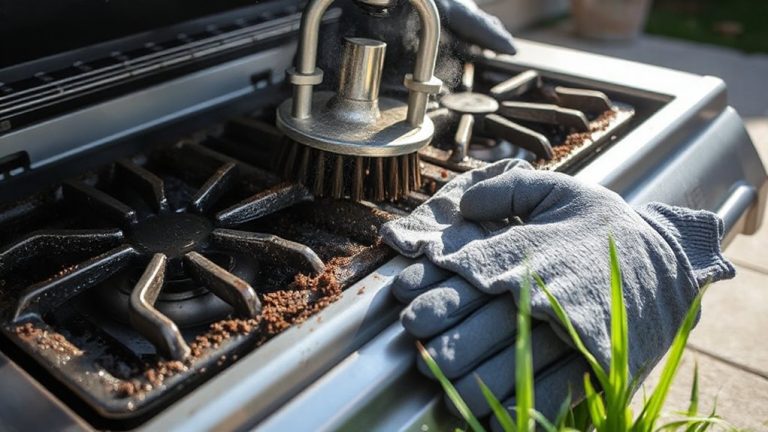
A well-maintained cast iron plancha starts with proper cleaning right after grilling, and doing it while the surface is still warm guarantees stuck-on residue lifts off easily. Let it cool down just enough to handle safely, then use a metal scraper to scrape off food debris-don’t wait until it’s cold, or cleanup becomes harder. Once the bulk is removed, deglaze gently with hot water and a stiff brush; avoid soap to preserve the seasoning. You’ll notice this method protects the non-stick layer you’ve built over time. After rinsing, return the plancha to the heat for a few minutes to dry thoroughly, preventing rust. Skipping this step risks surface damage, especially in humid climates. A quick wipe with a thin layer of oil post-drying maintains performance. This routine keeps your plancha ready for even the busiest grill sessions.
Pro Tips for Timing Meat Rest and Veggie Sear Together
You’ve cleaned your plancha while it was still warm, scraped off the remnants of dinner, and wiped it down with oil-now it’s time to put that well-maintained surface to work efficiently during your next cook. Timing meat rest and veggie sear together hinges on smart planning. While your meat rests-critical for juice retention-seize the moment to fire up vegetables on the hot zone. Ideal vegetable selection includes dense, high-heat tolerant options like zucchini, bell peppers, and asparagus; they caramelize quickly without turning mushy. Apply seasoning techniques before searing: toss veggies in oil, salt, garlic, and herbs to maximize flavor adhesion. Spread them in a single layer to guarantee even contact and avoid steaming. The plancha’s consistent heat delivers a Maillard-rich crust unmatched by grilling grates. This tandem method boosts efficiency and depth of flavor, making it a practical staple in advanced outdoor cooking.
On a final note
You’ve streamlined outdoor cooking by pairing indirect meat roasting with direct vegetable searing on a cast-iron plancha. This method maximizes grill efficiency, prevents flavor transfer, and delivers even, restaurant-grade char. The plancha retains heat well, ensuring crisp textures without flare-ups. Syncing veggie cooking with meat rest time optimizes workflow. With proper post-grill cleaning and seasoning, your plancha supports consistent, high-performance results across seasons, making it a practical upgrade for serious backyard barbecue.