Enhancing Smoke Flavor Intensity by Adjusting Fan Speed Settings Manually
You control smoke flavor intensity by adjusting fan speed, since airflow shapes combustion and smoke density. Too high, and you blow away flavorful compounds; too low, and creosote builds up from smoldering wood. Aim for thin blue smoke by matching fan speed to your wood type-lower for dense hickory, slightly higher for cherry. Thicker meats need steady, low airflow, while thinner cuts benefit from quicker smoke exposure. Cold weather or altitude changes demand real-time tweaks. Get it right, and you’ll access richer, cleaner flavor every time-with a few pro moves still to come.
Notable Insights
- Adjust fan speed to maintain thin blue smoke, maximizing flavorful aromatic compounds without creosote buildup.
- Lower fan speeds enhance smoke intensity for dense woods like hickory and oak by slowing combustion.
- Use reduced fan speed for thick meats like brisket to ensure deep, even smoke penetration over time.
- Increase fan speed slightly for softwoods like apple and cherry to prevent smoldering and bitter smoke.
- Manually compensate for cold or high-altitude conditions by fine-tuning fan speed for stable combustion and smoke density.
Why Fan Speed Makes or Breaks Smoke Flavor
While it might not seem obvious at first, the speed of your smoker’s fan plays a critical role in how much smoke flavor ends up in your meat. Too fast, and you’ll blow smoke away before it sticks; too slow, and combustion suffers, risking creosote buildup. Your control over fan speed directly influences smoke density-thick, flavorful smoke needs balanced, steady airflow. When airflow control is precise, you maintain clean-burning fuel, maximizing the aromatic compounds that penetrate your meat. Inconsistent fan speeds disrupt temperature stability, which in turn affects smoke production and absorption. Most pitmasters agree that a steady, moderate fan setting yields the cleanest smoke flavor without overwhelming bitterness. You’re not just managing heat-you’re shaping the very essence of the smoke itself. For consistent results, especially with wood pellets or chunks, fine-tuning fan speed becomes essential. It’s not just about keeping things burning-it’s about crafting flavor through deliberate airflow control. Beginners may find it easier to master this technique with an electric smoker.
Find the Sweet Spot for Maximum Smoke
How do you achieve that rich, aromatic smoke that clings to your meat just right? It’s not just about tossing wood into the fire-it’s about balance. The sweet spot for maximum smoke happens when airflow and combustion sync perfectly. If the fan runs too fast, you’ll burn through fuel too quickly, losing flavor and wasting wood. Too slow, and incomplete combustion creates bitter, thin smoke. You’ve got to think about wood density: denser hardwoods like hickory or oak release smoke slower and last longer, so they need a lower fan speed to avoid overpowering the meat. Lighter woods? They ignite faster and need slightly more air. Meat thickness matters too-thicker cuts absorb smoke longer, so a steady, moderate smoke is ideal. You want clean, thin blue smoke, not thick white billows. Adjust incrementally and trust your eyes and nose. For beginners, starting with a reliable beginner offset smoker can make mastering these variables much easier.
How to Set Fan Speed for Thick Vs Thin Meats
Since thicker cuts like brisket or pork shoulder take longer to cook, you’ll want to set your fan at a lower speed to maintain a steady flow of clean, thin smoke over several hours. Meat thickness directly affects how smoke interacts with the surface, so slower airflow prevents oversaturation and bitter notes. With proper airflow control, you guarantee consistent smoke penetration without drying out the exterior. For thinner meats-think chicken breasts or ribs-higher fan speeds work better, delivering smoke quickly before overcooking occurs. This approach balances flavor development with cooking time, enhancing taste without compromising texture. You’re not just setting a fan; you’re tailoring the environment to match meat thickness and desired outcome. Effective airflow control gives you precision, turning guesswork into repeatable success. Whether managing long smokes or quick sears, adjusting fan speed per cut improves results, making it a vital step in mastering outdoor cooking.
Adjust Fan Speed for Your Wood Type
Because different woods burn at varying intensities and produce distinct smoke densities, you’ll need to match your fan speed to the wood type to optimize flavor delivery. Denser woods like hickory or oak have higher wood density, creating more airflow resistance, so you’ll want a lower fan speed to maintain steady combustion without over-oxygenating the fire. If the fan runs too high, you risk burning the wood too quickly and losing flavorful smoke. On the other hand, softer woods like apple or cherry have less wood density and lower airflow resistance, meaning they benefit from a slightly higher fan setting to guarantee consistent smoke production without smoldering. Getting this balance right enhances smoke quality, giving you cleaner, richer flavor. You’ll notice better control over smoke intensity and temperature when you tailor fan speed precisely to your wood’s characteristics, making each cook more predictable and effective. For best results, choose high-quality wood chips for smoking that are properly dried and free of contaminants.
Fix Fan Speed Mistakes That Ruin Smoke Flavor
Why does your smoked meat sometimes carry a bitter, acrid edge instead of that clean, rich aroma you’re after? More often than not, it’s because of fan speed mistakes. Running the fan too high overwhelms the firebox with air, burning your wood too fast and producing harsh smoke. That throws off the airflow balance, replacing flavor with bitterness. On the flip side, too little airflow stalls combustion, leading to incomplete smoke-equally damaging to taste. The fix lies in proper fan calibration. You need just enough speed to sustain clean, thin blue smoke-the gold standard. Digital controllers help, but manual setups demand close attention. Adjust gradually, observe the smoke color, and stabilize temps. Consistency hinges on this balance: enough oxygen for efficient burn, not so much that you lose control. With accurate fan calibration and steady airflow balance, clean smoke-and better flavor-becomes second nature.
How Weather Affects Manual Fan Settings
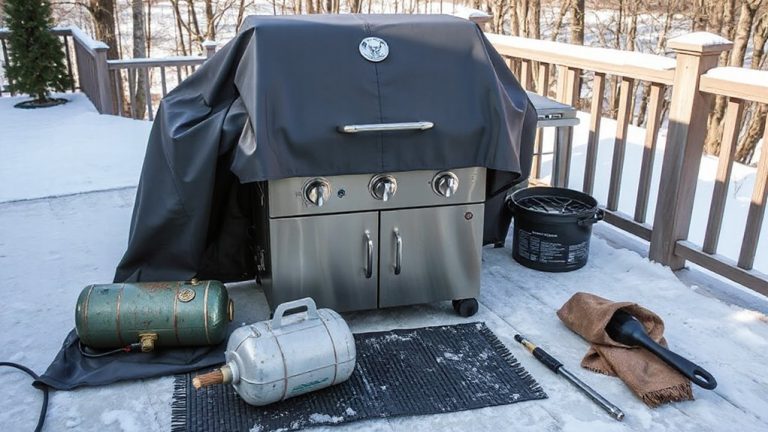
Ever notice how your smoker behaves differently when the wind picks up or the temperature drops? That’s because weather directly impacts your manual fan settings. In cold weather, your smoker loses heat faster, so you’ll likely need to increase fan speed to maintain combustion and smoke output. But too much airflow can cool the chamber further, so balance is key. At high altitude, thinner air reduces oxygen levels, weakening burn efficiency. You’ll often need to open the fan wider than at sea level to compensate, even if it feels counterintuitive. Wind can create negative pressure, disrupting airflow and requiring real-time fan adjustments. Unlike automated systems, manual fans demand vigilance under these conditions. Seasoned pitmasters know that understanding these environmental impacts leads to better flavor control. Ignoring them risks inconsistent temps and weak smoke. So when you’re cooking outdoors, always consider the forecast and elevation before setting that dial.
Dial In Clean Smoke Every Time With These Pro Tips
How do the pros maintain that ideal thin blue smoke rolling from their rig, even after hours of cooking? They manually tweak fan speed to match fuel type and airflow needs, avoiding thick, bitter smoke. Clean combustion hinges on oxygen control-too much fan speed causes flame spikes, too little starves the burn. You’ve got to balance intake and exhaust, especially during extended smoke timing. A steady, low-and-slow burn not only builds flavor but also prevents soot buildup. Hardwoods like oak or hickory need slower fan settings than lighter fuels, requiring real-time adjustments. Don’t overlook meat resting-once pulled, allow a 15–30 minute cooldown; this lets juices redistribute and smoke flavor settle. Monitoring visual cues-like smoke color and temperature stability-trumps relying solely on timers. With consistent airflow and attention to smoke timing, you’ll achieve clean, flavorful results every session. Mastery comes from observation, not automation.
On a final note
You’ve seen how fan speed shapes smoke flavor, from meat thickness to wood type. Manual control gives you precision digital systems often lack. Too fast, and smoke thins; too slow, it turns acrid. Weather changes demand real-time tweaks-cold winds or humidity shift airflow needs. Dialing in clean, flavorful smoke means watching the fire closely. You’re in charge, and that control, when used wisely, delivers consistently better BBQ.