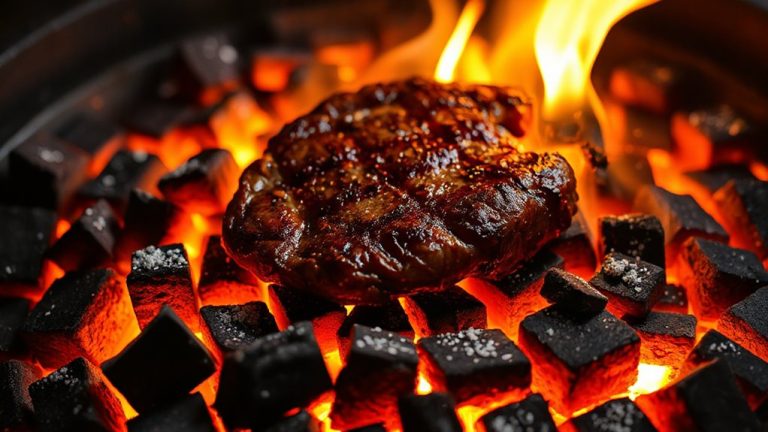
Using a Cast Iron Grid to Even Out Heat on a High-Output Gas Grill
You’re using a high-output gas grill, but uneven heat and flare-ups ruin your sear. A cast iron grid solves that. Its dense material absorbs intense burner heat and radiates it evenly, reducing hot spots. It holds temperature steady, improving sear marks on steaks and burgers. Preheat it well, keep flames in check, and you’ll see how cast iron transforms performance-especially when maintained with proper seasoning and care. There’s more to mastering this upgrade than heat alone.
Notable Insights
- Cast iron grids absorb and evenly radiate heat, reducing hot spots on high-output gas grills.
- Their high thermal mass stabilizes temperatures, smoothing out burner-induced heat spikes during cooking.
- Proper preheating for 10–15 minutes ensures full heat distribution before searing food.
- Thicker, high-quality cast iron performs better, offering consistent heat retention and resistance to warping.
- Regular seasoning and correct cleaning maintain non-stick performance and prevent rust over time.
Why High-Output Grills Need a Cast Iron Grid
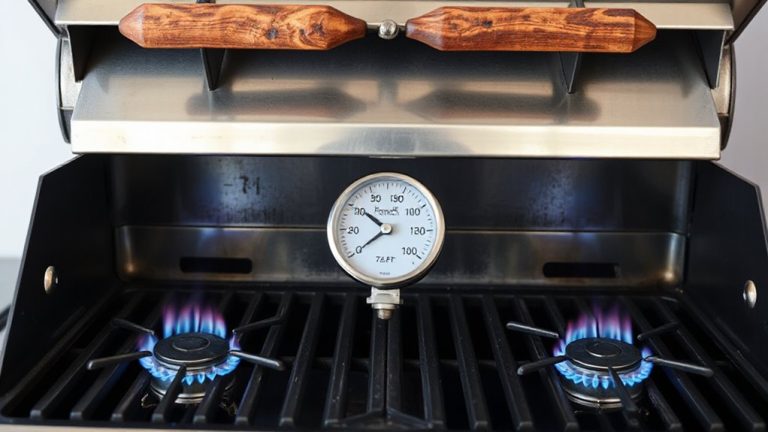
Even though your high-output gas grill delivers intense heat, it doesn’t always distribute it evenly-especially across standard grates made of stainless steel or porcelain-coated materials that struggle to retain consistent temperatures. You’re likely noticing hot spots and uneven searing, signs that flame dispersion is inadequate. These grates heat up quickly but cool down just as fast, making it tough to maintain steady cooking conditions. That’s where a cast iron grid comes in. Though heavier and requiring more upkeep, cast iron offers superior heat retention, stabilizing temperatures across the cooking surface. It absorbs intense burner output and radiates it evenly, reducing flare-ups and improving sear quality. For you, this means more control and consistent results-critical when grilling steaks, burgers, or delicate items that demand even contact heat. While not a universal fix, upgrading to cast iron addresses a core limitation of high-output grills: managing extreme heat without sacrificing uniformity.
How Cast Iron Evens Out Grill Heat
Cast iron evens out grill heat because of its exceptional thermal mass, a trait that sets it apart from lighter grates made of stainless steel or coated materials. You’ll notice how its high heat retention smooths out temperature spikes, absorbing intense burner output and distributing it more evenly across the cooking surface. Though cast iron has lower thermal conductivity than copper or aluminum, it compensates by holding heat longer and reducing hot spots common on high-output gas grills. Once preheated, the grid delivers consistent sear marks and fewer flare-ups. You’ll also find that food cooks more uniformly, especially with longer grilling sessions. This stability makes it ideal for everything from steaks to vegetables. While it demands maintenance, the performance gain in heat management is undeniable. In practical use, cast iron doesn’t just react to heat-it controls it, giving you greater command over precision grilling.
Pick the Right Cast Iron Grill Grid
Grill performance starts with the right grid, and when it comes to cast iron, not all are created equal. You need to assess the grid material carefully-high-quality, thick cast iron offers superior heat retention, smoothing out hot spots from your gas burners. Thin or poorly made grids heat unevenly and warp over time. Look for grids with a seasoned finish; they resist rust and improve non-stick performance with use. Check compatibility with your grill model, since custom fits guarantee stability and proper heat transfer. While heavier grids retain heat longer, they’re harder to handle when cleaning. Porcelain-coated options resist rust but can chip, exposing raw iron. For maximum durability and performance, bare cast iron is best if you don’t mind the upkeep. Prioritize craftsmanship and thickness-it directly affects cooking consistency. A solid grid made of the right cast iron boosts your control, especially on high-output grills where heat retention matters most. For reliable options, consider models from the top cast iron cookware brands known for their durability and even heating.
How to Cook Evenly on Cast Iron
You’ve picked a sturdy, well-made cast iron grid, and now it’s time to put that investment to work with consistent, even cooking. Cast iron excels at heat retention, giving you superior temperature control across your gas grill’s cooking surface. Preheat the grid for at least 10–15 minutes to achieve even heat distribution. This stability is key for developing crisp, restaurant-quality sear marks without hot spots charring your food. Adjust burners gradually, letting the cast iron respond smoothly to changes in output.
| Technique | Benefit |
|---|---|
| Preheating fully | Guarantees even heat retention |
| Searing over medium-high | Promotes deep sear marks |
| Lowering flames after sear | Improves temperature control |
| Rotating food 90° halfway | Creates crosshatch sear marks |
This method enhances browning while minimizing flare-ups, making cast iron ideal for steaks, burgers, and vegetables.
Keep Your Cast Iron Grid Non-Stick and Rust-Free
A well-maintained grid’s performance hinges on proper care, and yours should last for years with simple but consistent maintenance. After each use, clean it while warm using a brush, then apply a light coat of high-smoke-point oil while still hot-this reinforces your seasoning technique and keeps food releasing cleanly. Proper seasoning builds a natural non-stick layer, improving over time with regular use. For rust prevention, never soak the grid or leave it damp; store it in a dry place, ideally with a thin oil barrier. If rust appears, scrub it off with steel wool, rinse with heat and oil, then re-season. Unlike stainless steel, cast iron demands attention but rewards it with superior heat retention and even cooking. A solid seasoning technique doesn’t just prevent sticking-it’s essential for rust prevention and long-term durability. Treat it right, and your grid becomes the most reliable part of your grill setup. Vintage cast iron often comes with superior craftsmanship, making best vintage cast iron picks a smart choice for discerning grillers.
On a final note
You’ll find a cast iron grid transforms your high-output gas grill by absorbing and radiating heat evenly, reducing hot spots that cause uneven cooking. Its thermal mass sears steaks cleanly while stabilizing temperatures for delicate foods. Choose a pre-seasoned, reversible grid with raised ridges for peak performance. With proper seasoning and post-use oiling, it stays non-stick and rust-free, proving durable and versatile across years of outdoor use.