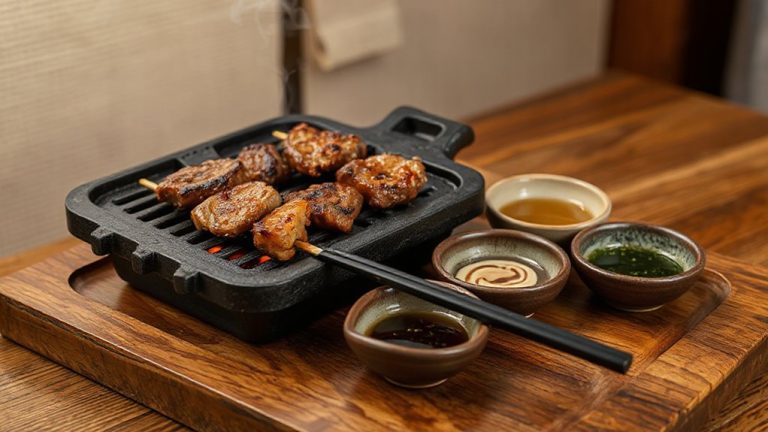
Mastering the Art of Stir-Frying on a Compact Camp Stove
You’ll want a carbon steel or cast iron pan for stir-frying on a compact camp stove-they retain heat well and develop a natural nonstick surface. Prep all ingredients beforehand, cutting them uniformly so they cook evenly over uneven flames. Use medium-high heat, let the pan preheat, and cook in batches to avoid steaming. Build flavor fast with aromatics, a good sear, and layered sauce. Keep a wind shield handy and clean the pan while warm; there’s more to get right with timing and technique.
Notable Insights
- Choose a lightweight, durable pan like carbon steel for optimal heat control and portability on a camp stove.
- Prep all ingredients in uniform sizes and organize by cook time to ensure even, efficient cooking outdoors.
- Use medium-high heat and a wind shield to maintain steady temperatures on low-power compact stoves.
- Build flavor by searing proteins in batches and adding aromatics just after oil shimmers in the pan.
- Avoid overcrowding the pan to prevent steaming, and clean it while warm to simplify campsite cleanup.
Pick the Best Pan for Camp Stove Stir-Frying
A good stir-fry starts with the right pan-something that can handle high heat, distribute it evenly, and survive the bumps of backcountry travel. You’ll want to contemplate pan material carefully: cast iron offers excellent heat retention but is heavy, making it less ideal for long hikes. Carbon steel is lighter, heats quickly, and develops a natural nonstick surface over time-perfect for camp use. Stainless steel heats evenly but lacks the same heat retention, which can lead to uneven cooking on fluctuating stoves. Anodized aluminum is lightweight and conducts heat well, though it may warp under intense heat. For backpacking, titanium is ultra-light but sacrifices heat distribution. Balance durability, weight, and performance. Your pan should lie flat on the stove to maximize contact and efficiency. With the right material, you’ll maintain consistent heat retention, ensuring crisp vegetables and properly seared proteins-even in the wild. For optimal searing results, consider a pan with excellent heat retention like those recommended for cooking steak.
Prep Ingredients Like a Stir-Fry Pro
Now that you’ve picked a pan suited to your stove and terrain, it’s time to get your ingredients trail-ready. Sharp knife skills aren’t just impressive-they’re essential for uniform cuts that cook evenly over unpredictable camp heat. Dice veggies into consistent sizes, slice proteins against the grain, and prep everything before firing up the stove. Poor prep leads to undercooked peppers next to charred meat, a common flaw when campers skimp on organization. Ingredient timing starts with mise en place: group items by cook time so you add them in stages. Dense vegetables like carrots go in first; delicate herbs and leafy greens come last. This approach maximizes flavor and texture, even with limited fuel. Smart prep reduces cooking stress, letting you focus on technique instead of scrambling to chop while the pan overheats. With solid prep, stir-frying outdoors becomes as efficient as it is delicious.
Control Camp Stove Heat for Stir-Frying
How do you keep a stir-fry from scorching on a lightweight camp stove when you can’t rely on a powerful kitchen burner? You master heat regulation and maintain consistent flame stability. Compact stoves often lack the brute power of home ranges, so you’ll need to adjust expectations and technique. Set your stove to medium-high and let the pan heat gradually-sudden blasts often cause hotspots. A stable, even flame prevents undercooking in spots and burning in others. Choose stoves with precise control valves for better heat regulation; models with simmer capabilities give you an edge. Wind shields boost flame stability, especially in breezy conditions. Always preheat your pan, but monitor closely-thin metals heat fast but fluctuate. With patience and gear tuned for responsiveness, your camp stove can deliver stir-fry heat close to what you’d get indoors. It’s not identical, but it’s effective. For optimal results, consider a stove tested and recommended in our best camping stoves roundup.
Make Flavor Fast: Sauce, Aromatics, Sear
Once you’ve got the heat under control, your focus shifts to building layers of flavor quickly-something a stir-fry in the wild can’t afford to miss. Sauce layering starts fast: add aromatics like garlic and ginger right after the oil shimmers, letting them sizzle without burning. That burst of fragrance is your first clue you’re capturing wok breath-the elusive, restaurant-style depth that even a compact stove can achieve with timing and nerve. Sear proteins in batches to avoid steaming, then finish with a quick splash of sauce that caramelizes instantly.
| Element | Purpose |
|---|---|
| Aromatics | Build foundational flavor |
| High sear | Creates wok breath |
| Sauce layering | Balances depth and brightness |
Don’t dawdle-efficient movement locks in taste and texture.
Skip These Common Stir-Fry Mistakes
Why do so many campfire stir-fries turn out soggy or bland despite careful prep? You’re likely wrestling with an overcrowded wok. When you pile in too many ingredients, the temperature drops fast, and instead of searing, you end up steaming your meal. That’s how you get soggy vegetables-limp, unappetizing, and lacking that signature wok hei. On a compact stove, heat output is limited, so batch cooking isn’t just wise; it’s essential. Stir-frying demands high, consistent heat, and your small burner can’t compensate for poor loading. Toss in ingredients in stages, let the pan recover heat between additions, and keep the oil shimmering, not smoking excessively. Skimping on preheating or skipping the mise en place also sabotages results. You need precision outdoors-distractions mean missed timing. Avoid these missteps, and your stir-fry won’t just survive the trail-it’ll thrive.
Wipe Down Fast: Minimalist Stir-Fry Cleanup
A clean pan is just as essential as a sharp knife when stir-frying on a camp stove, and wiping down fast keeps your gear ready for the next meal without the hassle of scrubbing burnt-on gunk. As soon as you finish cooking, while the pan’s still warm, do a quick wipe with a paper towel or reusable rag-this removes most of the oil before it cools into stubborn greasy residue. Avoid submerging a hot pan in water; thermal shock can warp thin camping cookware. Instead, let it cool slightly, then use a soft scrubber and a drop of biodegradable soap if needed. A well-seasoned carbon steel or cast iron pan responds best to this minimal cleanup, maintaining its nonstick surface over time. Compared to enamel or nonstick-coated pans, these withstand aggressive wiping without damage. With a disciplined post-cook routine, your cleanup isn’t just efficient-it’s part of maintaining performance and longevity in the backcountry.
On a final note
You’ve got the right pan, prepped ingredients, and controlled your camp stove’s heat-now stir-frying outdoors feels effortless. Fast searing, bold sauces, and aromatic highs turn simple meals into standout backwoods fare. Avoid overcrowding and cold ingredients to keep flavor sharp and cooking efficient. Cleanup stays minimal with smart oil use and immediate wiping. This isn’t just cooking; it’s adaptable, high-heat mastery in the wild, proving gourmet results need no kitchen.