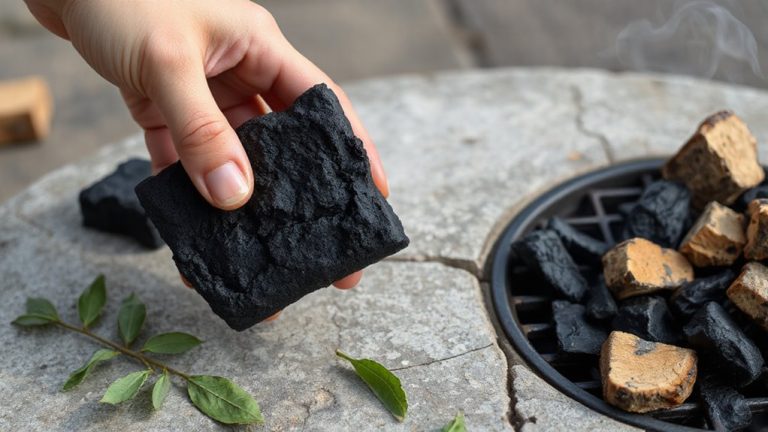
Using Natural Vinegar Solutions to Clean Stainless Steel Outdoor Cooking Surfaces
You can clean stainless steel outdoor cooking surfaces effectively with vinegar, thanks to its acidity breaking down grease and grime without damaging the metal. A simple mix of equal parts white vinegar and water cuts residue safely, while citrus or essential oils boost cleaning power and leave a fresh scent. It’s non-toxic, eco-friendly, and helps maintain your grill’s finish when used regularly. For best results, apply after preheating and brushing the grates. You’ll see how proper technique enhances both performance and longevity.
Notable Insights
- Vinegar’s acidity effectively breaks down grease and residue on stainless steel grill surfaces without toxic chemicals.
- A simple spray of equal parts vinegar and water cleans grates safely when applied to cool surfaces.
- Letting vinegar solution soak for 30 minutes softens burnt-on food for easier, non-abrasive scrubbing.
- Regular use of vinegar helps remove oxidation and restore shine without damaging the steel’s protective layer.
- Eco-friendly maintenance includes vinegar cleaning, reusable cloths, and avoiding wire brushes that shed bristles.
Why Vinegar Cleans Stainless Steel Grills
While it might seem surprising that a simple kitchen staple can handle the tough grime of outdoor grills, vinegar’s acidity gives it real cleaning power on stainless steel surfaces. You’re dealing with baked-on grease and residue from high-heat cooking, but vinegar’s low pH breaks down those stubborn deposits effectively. The vinegar acidity also helps with oxidation removal, tackling the faint rust or discoloration that can form over time, especially in humid or exposed environments. Unlike harsh chemicals, it’s non-toxic and won’t leave harmful residues on surfaces meant for food. You’ll notice the steel regains its shine without damaging the protective chromium layer, so long as you don’t overuse it. While not a solvent for heavy buildup, vinegar is a reliable first-line solution. It’s practical, eco-friendly, and ideal for routine maintenance after grilling sessions.
Make a Simple Vinegar Cleaning Spray
A well-stocked cleaning toolkit starts with a simple vinegar spray, and making one at home puts effective, eco-conscious maintenance within reach. You’ll need equal parts distilled white vinegar and water in a spray bottle-this combo cuts through grease and removes smudges without harming stainless steel. For a citrus boost, add a tablespoon of lemon or orange peel extract; it enhances cleaning power and leaves a fresh scent. A few drops of essential oils like lemon, lavender, or tea tree not only improve fragrance but also offer mild antimicrobial properties. Shake well before each use, and avoid spraying on hot surfaces. This solution is economical, green, and effective for routine upkeep.
| Ingredient | Amount |
|---|---|
| White vinegar | 1/2 cup |
| Water | 1/2 cup |
| Citrus extract | 1 tbsp |
| Essential oils | 5–10 drops |
| Spray bottle | 1 (16 oz, glass preferred) |
Clean Grill Grates Step by Step
If you’ve ever struggled with food sticking or inconsistent sear marks, cleaning your grill grates regularly with a vinegar solution can make a noticeable difference in both performance and flavor. Start by preheating your grill to loosen debris-this aids in effective grill temperature control and prepares the surface for cleaning. Once warm, use a stainless steel brush to remove loose particles. Then, apply your vinegar spray evenly across the grates. The mild acidity helps break down residue without harsh chemicals. Let it sit for a few minutes, but don’t overdo it-prolonged exposure isn’t necessary and may affect seasoning. Wipe with a lint-free cloth for a polished finish. This routine not only supports better cooking time management but also extends the lifespan of your grates by preventing buildup that disrupts heat distribution. For those seeking stronger cleaning power, consider trying one of the top-rated grill cleaners designed for tough, baked-on grease.
Remove Burnt-On Residue Naturally
Several stubborn layers of burnt-on residue can compromise both the efficiency and flavor of your grill, but you don’t need harsh chemicals to tackle it. Instead, try residue soaking with a vinegar solution-equal parts white vinegar and water. Let the mixture sit on affected areas for 30 minutes; this softens charred buildup, making scrubbing techniques far more effective. Use a non-abrasive scrub pad in circular motions to preserve your stainless steel’s grain. Avoid steel wool, which can scratch and trap moisture. For long-term maintenance, consider using a dedicated stainless steel grill cleaner to protect the surface between deep cleanings.
| What You Feel | What You Achieve |
|---|---|
| Frustration with stubborn grime | A clean, safe cooking surface |
| Worry over chemical fumes | Peace of mind with natural ingredients |
| Disappointment in flavor taints | Better-tasting, authentic grilled food |
| Dread of tough scrubbing | Efficient cleaning with less effort |
Natural cleaning works because it aligns with both performance and health-vinegar cuts grease, and soaking reduces labor.
Polish Stainless Steel to a Streak-Free Shine
Why does your stainless steel grill often end up with dull spots or streaks no matter how carefully you wipe it down? It’s likely because water, oils, or leftover cleaning residue dry unevenly across the surface, disrupting the grain and preventing a true mirror finish. To achieve that smooth, reflective shine, use a vinegar-based solution-equal parts white vinegar and water-as a final polish. Spray it on and wipe with the grain using a soft microfiber cloth. This method removes haze without harsh chemicals, making it a safe, effective alternative to commercial sprays. Unlike many chemical alternatives, vinegar won’t leave toxic fumes or film behind, which is ideal for cooking surfaces. With consistent use, you’ll notice improved clarity and luster, enhancing both appearance and hygiene. Done correctly, your stainless steel won’t just look cleaner-it’ll perform better and resist wear longer under outdoor conditions.
Prevent Grease Buildup With a Vinegar Rinse
A quick vinegar rinse after each cookout can make a real difference in keeping your stainless steel surfaces free of stubborn grease buildup. You’ll want to stick to a consistent rinse frequency-ideally right after cooking, once the surface cools slightly. This habit prevents grease from hardening and bonding to the metal. Use a vinegar dilution of one part white vinegar to one part water; this balance cuts through grease effectively without corroding the finish. Spray it evenly, let it sit for a minute, then wipe with a soft cloth along the grain. Over time, you’ll notice less residue and easier cleanups. The mild acidity of vinegar disrupts grease at a molecular level, making it a smart, low-cost solution. While vinegar isn’t a heavy-duty degreaser, its preventive power shines with regular use. For long-term care, this rinse is practical and efficient, especially when integrated into your post-grill routine.
Eco-Friendly Grill Maintenance Tips
How often do you consider the environmental impact of your grill maintenance routine? Small changes, like choosing eco conscious fuel choices such as sustainably sourced charcoal or propane over lighter fluids, greatly reduce your carbon footprint. Regular cleaning with vinegar not only avoids harsh chemicals but also extends your grill’s life. Opt for grill brush alternatives like nylon scrubbers or brass wool-these are gentler on stainless steel and reduce metal bristle risks. The right BBQ grill cleaners can make a significant difference in both cleaning efficiency and environmental safety. Below are practical swaps for a greener routine:
| Practice | Conventional Choice | Eco-Friendly Swap |
|---|---|---|
| Fuel | Charcoal with additives | Eco conscious fuel choices |
| Scrubbing Tool | Wire grill brush | Grill brush alternatives |
| Cleaner | Chemical degreasers | Vinegar solution |
| Waste | Disposable wipes | Reusable microfiber cloths |
These steps align performance with sustainability-effective cleaning doesn’t require environmental compromise.
On a final note
You’ve seen how vinegar tackles grease, lifts residue, and polishes stainless steel safely. It’s effective, affordable, and eco-friendly-ideal for maintaining outdoor cooking surfaces. While not instant for heavy buildup, consistent use prevents grime from accumulating. Compared to chemical cleaners, vinegar offers a balanced mix of performance and sustainability. For reliable, non-toxic grill care, a vinegar-based routine supports both appliance longevity and environmental responsibility, making it a smart choice for thoughtful BBQ enthusiasts.