Layering Oak Base Smoke With Citrus Zest for Bright-Toned Whole Roasted Chicken
You’ll get the best results using white or post oak for a clean, balanced smoke that won’t overpower the citrus. Their steady burn pairs perfectly with bright zest, especially when you prep the citrus properly-use room-temperature fruit, microplane the colored rind only, and roll it first to release oils. Brine the chicken with lemon-lime for six hours to infuse flavor without overwhelming the meat. Maintain thin, blue smoke at 275°F for ideal texture and smoke penetration. Add fresh zest in the final 30 minutes to preserve volatile aromatics. Finish with sides like lemon orzo to echo the citrus notes-there’s more to fine-tuning this balance just ahead.
Notable Insights
- Use white or post oak for a clean, balanced smoke that complements citrus without overpowering.
- Prepare citrus zest with a microplane, avoiding pith, to preserve bright, aromatic oils.
- Roll room-temperature citrus before zesting to maximize essential oil release.
- Add zest in the final 30–45 minutes of roasting to retain volatile flavor compounds.
- Brine chicken with lemon-lime blend for 6 hours to infuse citrus essence deeply and safely.
How to Smoke Chicken With Oak and Citrus Zest
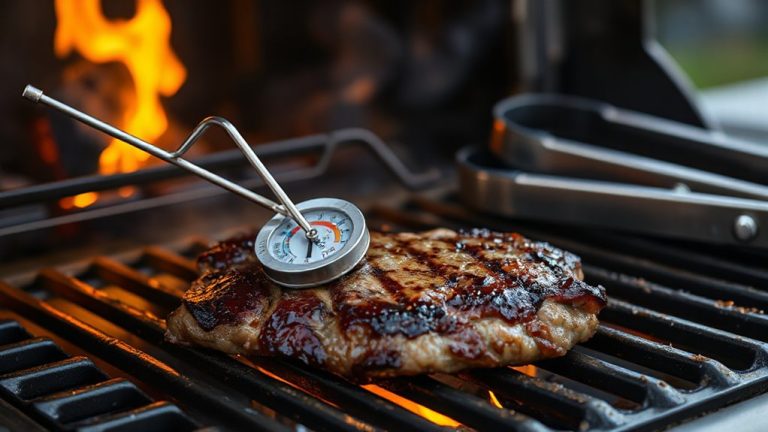
Smoky richness meets bright freshness when you pair oak wood with citrus zest on a whole roasted chicken. You’ll want to start with soaked oak chunks for steady smoke output-green wood pops and flares, but properly dampened oak delivers clean, consistent flavor. Begin smoking early in the cook to establish a solid foundation, then introduce citrus zest in the last 45 minutes to preserve its volatile oils. That’s your smoke timing sweet spot: too soon, and the brightness fades; too late, and it won’t integrate. The citrus pairing isn’t just aromatic-it lifts the heavy smoke, balancing earthiness with lift. Use lemon, orange, or grapefruit zest; apply directly to the skin or tuck under a foil tent. This combo works best at 275°F, where collagen breaks down without drying meat. Monitor internal temp-165°F in the breast signals doneness. Let rest before carving to lock in juices. For optimal smoke flavor, choose best wood chips for chicken that complement poultry without overpowering it.
Choose the Best Oak for Citrus-Smoked Chicken
Not all oak is created equal when you’re pairing it with citrus zest for smoked chicken. The oak grain influence affects burn rate and smoke density, which can make or break your citrus oil pairing. You want clean, even smoke that enhances, not overwhelms. White oak burns slower and smoother than red-ideal for delicate balance. Here’s how top varieties compare:
| Oak Type | Smoke Profile & Best Use |
|---|---|
| White Oak | Medium smoke, clean burn |
| Red Oak | Stronger, faster burn |
| Post Oak | Mild, slightly sweet, consistent |
| Live Oak | Dense, long-lasting heat |
| Black Jack Oak | Intense smoke, best in blends |
White and post oak deliver the most harmonious citrus oil pairing, letting zesty top notes shine. Avoid overly aggressive woods-subtlety wins.
Prep Citrus Zest for Maximum Aroma
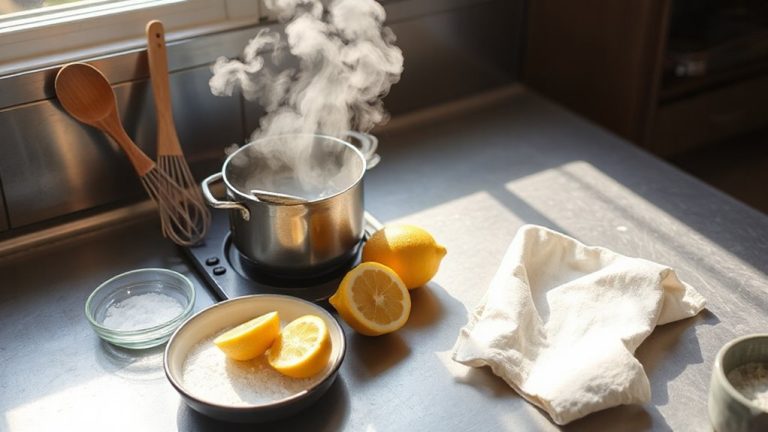
Aroma begins where technique meets ingredient-your citrus zest deserves more than a casual peel. Use a fine microplane to strip only the colored outer layer, avoiding the bitter pith beneath. This precision maximizes volatile oil release, essential for a vibrant citrus infusion. For peak zest preservation, work with room-temperature fruit; warmth boosts oil volatility, enhancing fragrance with every stroke. Roll each citrus firmly on the counter before zesting-it ruptures oil sacs, intensifying aroma. Choose organic when possible, since waxed or treated skins limit oil yield and may impart off-flavors. Fresh zest offers immediate potency, but if storing, pack it in an airtight container and freeze-it halts oxidation and maintains flavor integrity for weeks. While dried zest lacks brightness, frozen zest retains performance near-fresh levels. Proper technique guarantees your citrus contribution is potent, clean, and deeply integrated into the roast’s aromatic profile-setting a strong foundation for smoke layering.
Brine With Citrus for Juicy, Smoky Flavor
You’ve got your vivid citrus zest ready-bursting with volatile oils and primed for impact-and now it’s time to carry that brightness into the brine, where flavor and moisture begin their deep integration with the chicken. A well-balanced citrus infusion prevents dryness while amplifying aromatic complexity. The brine duration is critical: too short, and penetration is weak; too long, and texture suffers.
| Citrus Type | Infusion Strength | Ideal Brine Duration |
|---|---|---|
| Lemon | High | 4–6 hours |
| Orange | Medium | 6–8 hours |
| Grapefruit | Moderate | 6–8 hours |
| Lime | High | 4–6 hours |
| Mixed Peel | Variable | 5–7 hours |
Use cold liquid and refrigerate throughout. Best results come from a 6-hour soak with lemon-lime blends-bright without overpowering. This balance guarantees juicy meat that still takes smoke cleanly. For optimal results, ensure you’re using a food-safe container large enough to fully submerge the poultry, such as a brining container designed for turkeys, which can easily accommodate smaller birds like chicken while maintaining consistent temperature and brine distribution.
Set Up Oak Smoke for Perfect Balance
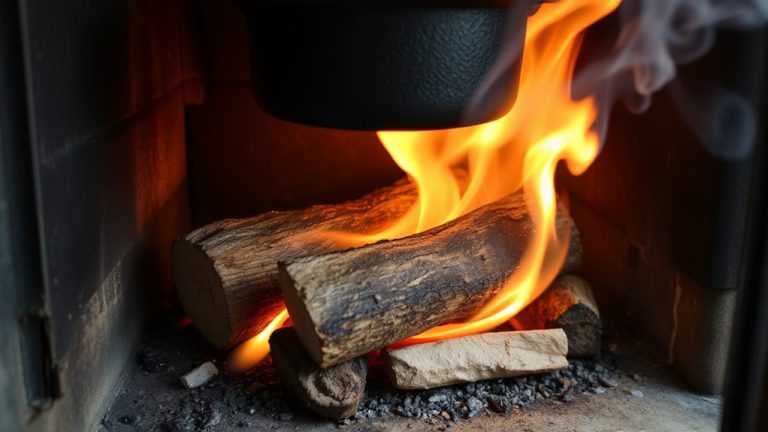
While citrus brightens the flavor profile from within, oak smoke delivers the backbone of your roast’s character, so choosing the right approach matters. You want clean, aromatic smoke-not harsh or acrid-so your chicken carries depth without bitterness. For oak selection criteria, go with white oak or post oak; they burn evenly and impart a balanced, medium-bodied smokiness that complements poultry without overwhelming it. Avoid red oak or green wood, which can introduce undesirable tannins or excessive soot. Smoke density control is equally critical: maintain a thin, blue-tinted smoke by regulating airflow and fuel load. Too much smoke creates a one-dimensional, ashy taste, while too little leaves the meat flat. Use a smoker with adjustable vents and keep the fire small and steady. This setup guarantees the oak contributes structure and warmth, letting the citrus brine shine through cleanly later. For consistent results, choose kiln-dried best wood chips for smoking that ensure proper moisture content and ignite evenly.
Add Zest While Roasting for Bright Finish
Once the oak smoke has built a steady, aromatic foundation, it’s time to introduce a layer that lifts and refreshes-the bright lift of citrus zest. Adding zest during the final 30 minutes of roasting guarantees ideal zest timing, preserving volatile oils that would otherwise degrade under prolonged heat. You’re not just seasoning; you’re crafting a citrus infusion that mingles with smoky depth, elevating the chicken’s aroma and flavor profile. Grate lemon, orange, or lime zest directly over the bird, letting the heat drive fragrant compounds into the skin. This method strikes a balance-too early, and the brightness fades; too late, and the effect is superficial. Successful zest timing integrates complexity without masking the oak’s richness. Unlike juices or glazes, zest contributes no moisture but delivers intense, aromatic impact. For outdoor cooks seeking nuance, this step refines the finish, transforming roast chicken from robust to refined. It’s precision layering-smoke first, then light, aromatic lift-proving subtlety has its place in barbecue.
Serve With Sides That Enhance Citrus & Smoke
Often, the right sides don’t just accompany a dish-they amplify it, and that’s especially true when balancing citrus and smoke in whole roasted chicken. You’ll want sides that mirror and elevate those bright, wood-kissed flavors without overwhelming them. A lemon orzo salad works well, its citrus undertones reinforcing the lemon accents in the bird. Roasted carrots with a touch of smoked paprika echo the oak base while adding sweetness. Grilled asparagus, finished with flaky salt and herb garnishes like parsley or dill, brings texture and freshness. Avoid heavy starches; instead, opt for farro or quinoa pilaf with chopped herbs and a light vinaigrette. These sides hold up on a platter, maintain temperature, and enhance complexity. Together, they create cohesion-smoke, zest, and earth in each bite-making your outdoor roast not just a meal, but a considered, layered experience.
On a final note
You’ve now mastered balancing oak’s rich smoke with citrus zest’s brightness in whole roasted chicken. Proper oak selection and zest preparation guarantee deep, aromatic flavor without overpowering. The citrus brine locks in moisture while amplifying smokiness. Adding fresh zest late preserves its volatile oils, yielding a vibrant finish. Paired with complementary sides, this method elevates backyard BBQ into refined, flavorful outdoor cooking worth repeating.