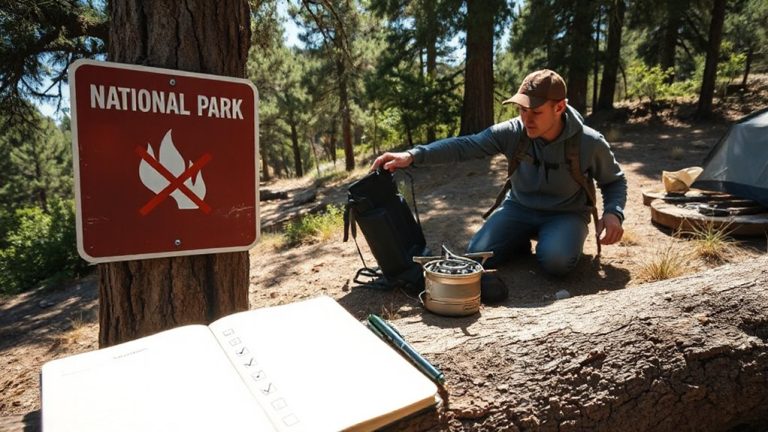
How to Reduce Smoke Output While Cooking on a Rocket Stove
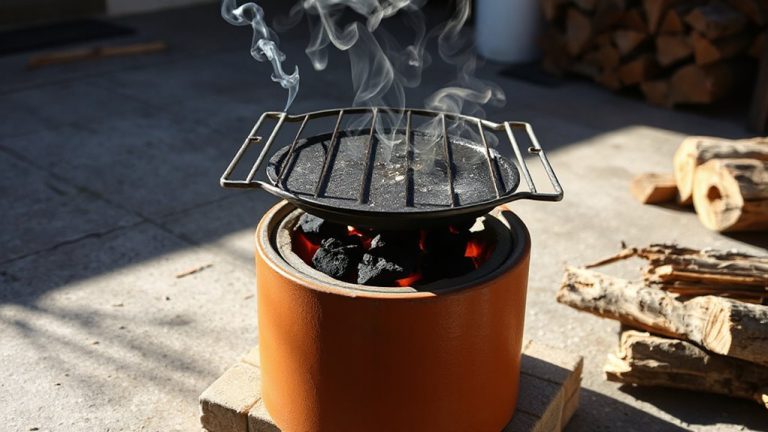
Use dry, split hardwood with under 20% moisture to cut smoke fast-wet or resin-heavy wood creates excess smoke and creosote. Position your rocket stove to catch steady airflow, not direct wind, for clean combustion. Clean the burn chamber weekly to maintain airflow and prevent blockages. Preheat the stove with small kindling, then feed it thumb-thick pieces steadily. A well-maintained, insulated system burns hotter and cleaner-you’ll see blue flames, not smoky yellow ones. Ideal performance starts with preparation and consistency.
Notable Insights
- Use dry, split firewood with less than 20% moisture to ensure efficient, low-smoke combustion.
- Preheat the rocket stove chamber and chimney with small kindling to establish strong draft and clean burning.
- Feed fuel in small, steady amounts-thumb-thick and 6 inches long-to maintain consistent, complete combustion.
- Position the stove and chimney to avoid wind interference and optimize airflow for sustained draft.
- Clean burn chamber weekly to remove ash and creosote, ensuring unobstructed airflow and efficient burning.
Start With Dry, Split Firewood to Stop Smoke
Even though you might be tempted to toss any available wood into your rocket stove, doing so often leads to excess smoke and poor performance-especially if the wood’s still green or damp. The key is managing wood moisture, which should ideally be below 20%. Wet wood wastes energy heating water instead of producing heat, creating thick smoke and soot. That’s why proper firewood seasoning-typically six months to a year of drying in a covered, ventilated space-is essential. Split wood dries faster and burns hotter, improving efficiency. You’ll notice flames are cleaner and the stove responds more quickly when you use well-seasoned pieces. Hardwoods like oak or maple, when properly split and dried, offer longer, more stable burns. Avoid softwoods with high resin content, as they can contribute to creosote buildup. Consistently using dry, split firewood doesn’t just reduce smoke-it makes your cooking experience safer, cleaner, and far more effective. For best results, choose from the best fire pit wood picks based on burn quality and smoke output.
Position Your Stove for Better Airflow
Since how your rocket stove interacts with the surrounding air can make or break combustion efficiency, positioning it correctly matters just as much as using dry wood. You should place your stove where airflow supports steady draft without disruption. Pay attention to wind direction-ideally, the stove’s chimney placement should face away from prevailing breezes to prevent backdrafting smoke. If wind hits the feed tube directly, it disturbs combustion and increases emissions. Positioning it at a 90-degree angle to the wind often works best, allowing air to feed the fire without interference. Also, make certain the chimney extends fully upward with no obstructions, as proper draft relies on thermal lift. Poor chimney placement-even a few inches blocked-can suffocate the burn, creating unnecessary smoke. A well-positioned stove doesn’t just reduce smoke; it improves heat transfer and fuel economy, making your outdoor cooking more efficient and cleaner every time.
Clean the Burn Chamber Weekly
You’ll usually get the cleanest burns and most efficient performance when you clean the burn chamber weekly, as accumulated ash and char buildup can restrict airflow and insulate the combustion zone. Over time, this residue dampens heat transfer and encourages incomplete combustion, increasing smoke output. Use a stiff brush or small scraper to remove debris, ensuring all entry points for air remain unobstructed. Regular cleaning also makes chimney inspection easier, allowing you to spot creosote accumulation or blockages early. Always let the stove cool completely before starting ash disposal-safely transfer the cooled ash to a metal container, away from flammable materials. Proper ash disposal isn’t just about cleanliness; it prevents residual embers from reigniting and reduces fire risk. Weekly maintenance doesn’t take long, but it considerably extends your stove’s lifespan and keeps it running cleanly. Think of it as routine tune-up that pays off in consistent, high-efficiency burns every time you cook.
Preheat Your Stove for Cleaner Burns
Cold start, incomplete combustion-sound familiar? That smoky startup isn’t just annoying; it’s inefficient. When you light your rocket stove cold, the chimney draft is weak, and gases don’t combust fully. But here’s the fix: preheat your stove. Start with dry twigs or paper to warm the combustion chamber and flue. As heat builds, the chimney draft strengthens, pulling in more air for a hotter burn. You’ll see the flame color shift from yellow-orange to a steady blue-your sign of clean, efficient combustion. A well-preheated system burns hotter faster, reducing smoke output from the get-go. It’s not just about comfort; it’s about performance. Outdoor cooking demands control, and mastering preheat gives you both cleaner flames and better efficiency. Skip it, and you’ll fight smoke all meal. Do it right, and your rocket stove runs like it should-hot, clean, and ready.
Feed Fuel in Small, Steady Amounts
A little fuel goes a long way when it comes to maintaining clean, efficient burns in your rocket stove. Feeding too much wood at once overwhelms the combustion chamber, leading to excess smoke. Instead, use small, consistent pieces-ideal fuel size is thumb-thick and about 6 inches long. This guarantees complete burning and less creosote buildup. More importantly, your feeding rhythm matters: add a new piece just as the last one begins to break apart. Rushing it creates smoke; waiting too long kills the heat.
| Fuel Size | Feeding Rhythm | Smoke Output |
|---|---|---|
| Too large | Irregular | High |
| Too small | Too frequent | Moderate |
| Just right | Steady | Low |
| Mixed sizes | Inconsistent | Variable |
| Uniform, small | Consistent | Minimal |
Switch to an Insulated Stove to Reduce Smoke
Even with perfect fuel size and feeding rhythm, some rocket stoves still produce more smoke than necessary-especially if the combustion chamber lacks proper heat retention. You’ll find that uninsulated models let too much heat escape, cooling the burn chamber and slowing down the reaction. Switching to an insulated stove makes a real difference. The insulation holds heat in, boosting combustion efficiency by keeping temperatures high where it matters. That means more complete burning and less smoke. You’re not just reducing emissions-you’re getting better performance, faster boil times, and more consistent flames. Materials like ceramic fiber, perlite, or refractory bricks work well, but they must suit your stove’s design. Over time, good heat retention also reduces fuel use, which matters if you’re cooking frequently or in areas with scarce wood. It’s a smart upgrade, not just for cleanliness but for long-term efficiency and ease.
How to Diagnose and Stop Smoke Fast
Why is your rocket stove still smoking up the campsite when it should be burning clean? Quick diagnosis hinges on two key factors: chimney draft and fuel moisture. A weak chimney draft restricts airflow, causing smoke to linger instead of pulling upward. Check for blockages or short chimney height-both reduce draft efficiency. Equally critical is fuel moisture; wet wood produces excessive smoke because it burns cooler and less completely. Use only seasoned wood with under 20% moisture for best results. Adjustments in fuel size and feed rate can also restore clean combustion.
| Issue | Solution |
|---|---|
| Poor chimney draft | Extend or clear the chimney |
| High fuel moisture | Switch to dry, seasoned wood |
| Overfeeding fuel | Add smaller, regular pieces |
| Cold stove mass | Preheat combustion chamber |
On a final note
You’ll cut smoke markedly by using dry, split wood and feeding it steadily-wet fuel and overloading cause most smoke. Proper airflow and weekly cleaning keep combustion efficient. An insulated stove maintains high temperatures, reducing particulates. Preheating the chamber helps ignition. These steps aren’t just cleaner-they boost heat control and fuel efficiency. For serious outdoor cooking, low smoke means better performance, less waste, and a more consistent, controllable burn every time.