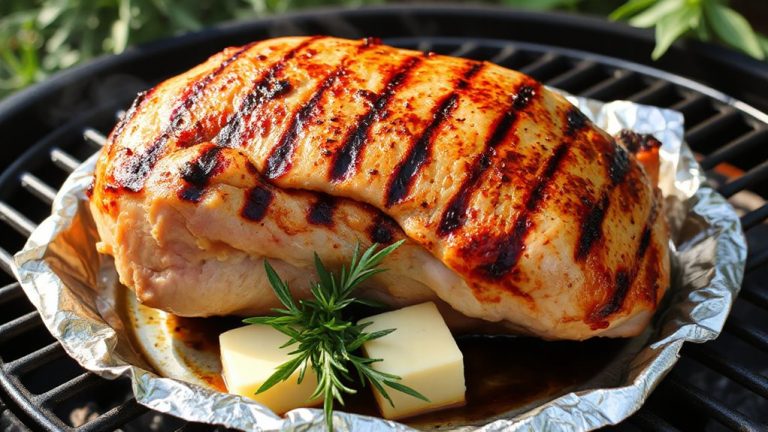
The Science Behind Pecan Wood’s Sweet Smoke in Southern-Style Pulled Pork
You get a sweeter, more nuanced pulled pork with pecan wood because it burns cleanly and steadily, releasing balanced levels of guaiacol and syringol-compounds that add smoky sweetness without bitterness. Its moderate lignin content avoids the harshness of hickory while providing more depth than softer woods. The nutty aroma enhances caramelization on the meat’s surface, especially where fat renders, amplifying flavor. For best results, maintain thin, blue smoke at 225°F to 275°F. There’s more to uncover about how wood choice transforms your barbecue.
Notable Insights
- Pecan wood’s mild, nutty smoke enhances pulled pork with a naturally sweet flavor due to balanced lignin and cellulose breakdown.
- Moderate burning temperature (225°F–275°F) promotes caramelization of pork’s surface sugars, amplifying sweet notes without bitterness.
- Pecan smoke contains guaiacol and syringol in ideal ratios, delivering smoky depth and sweet, roasty aromas to the meat.
- Its steady, even burn produces thin blue smoke, rich in desirable flavor compounds and low in harsh phenols.
- Rendered fat from pork absorbs pecan smoke efficiently, intensifying the perception of sweetness and richness in the final dish.
Why Pecan Wood Makes Pulled Pork Taste Sweeter
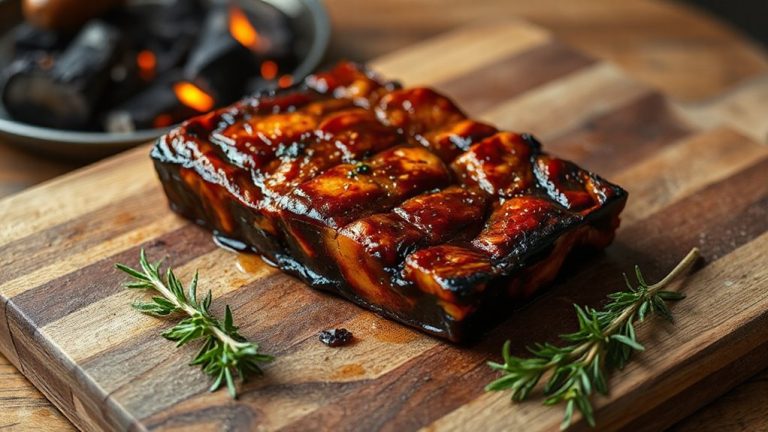
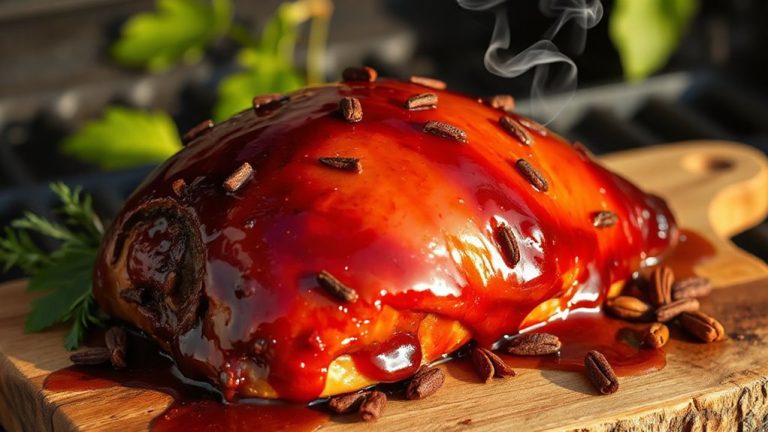
While you might expect all wood smoke to impart a uniformly smoky flavor, pecan wood actually leans mildly sweet and nutty, which subtly enhances the natural richness of pulled pork. The key lies in how pecan influences the caramelization process during slow cooking. As temperatures rise, the smoke interacts with the meat’s surface, encouraging the natural sugars in both the pork and wood to caramelize gently. This reaction builds layers of flavor-less harsh than hickory, more refined than mesquite. You’ll notice a delicate sweetness that doesn’t overpower, making pecan ideal for achieving balanced, complex taste. Because pecan burns cooler and more evenly than denser hardwoods, it sustains this effect over hours, letting flavors develop fully without charring. In practical use, it’s especially effective with fatty cuts, where the rendered fat amplifies smoke absorption. For barbecue enthusiasts aiming for depth with refinement, pecan delivers consistent, nuanced results you can rely on. Smokers who prioritize flavor balance often choose best smoking wood for optimal results.
How Pecan Wood Smoke Enhances Pulled Pork
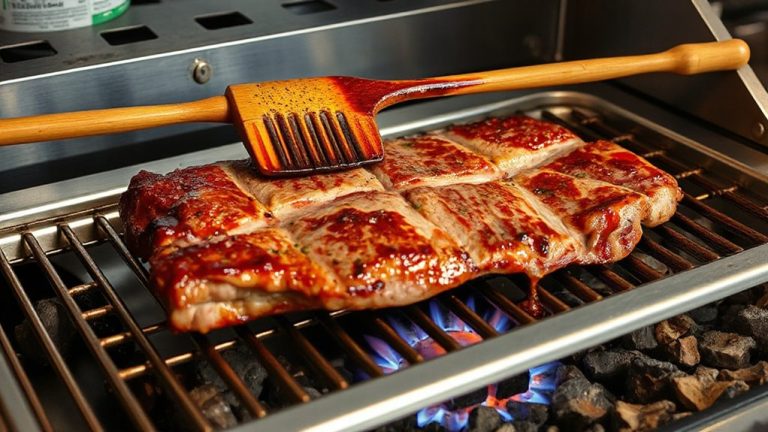
You’re already familiar with how pecan wood’s mild sweetness complements the natural richness of pulled pork, but its impact goes beyond just flavor nuance. Its steady burn rate allows for a controlled smoking duration, essential for breaking down tough connective tissues without drying out the meat. Because pecan wood produces a consistent, moderate heat, it helps maintain ideal pork moisture throughout the cook. You’ll notice the smoke penetrates evenly, forming a delicate pellicle that holds seasoning and enhances texture. Unlike more aggressive woods, pecan doesn’t overwhelm-its smoke subtly deepens the meat’s savoriness while preserving juiciness. Pitmasters often praise it for striking an ideal balance between flavor development and moisture retention over extended sessions. When you’re aiming for tender, succulent pulled pork with a smooth smoke profile, pecan delivers reliability and refinement. It’s not flashy, but its performance is hard to beat for steady, flavorful results. For best results, pair pecan wood with best wood chips for smoking to optimize flavor and combustion efficiency.
Lignin Levels in Pecan Vs. Other Smoking Woods
Since the flavor of smoked meat hinges heavily on the breakdown of lignin during combustion, pecan wood’s moderate lignin concentration gives it an edge over both dense and resinous hardwoods. You’ll find that woods with high lignin, like hickory, can overpower pork with bitter notes if not carefully managed, while softer woods often lack depth. Pecan strikes a balance, producing a steady, aromatic smoke that enhances rather than dominates. Its lignin breaks down cleanly alongside cellulose breakdown, releasing consistent flavor compounds over time. This balanced composition also supports better moisture retention in the meat, helping your pulled pork stay juicy through long smokes. Unlike more volatile woods, pecan burns evenly, making temperature control easier. You don’t have to babysit the fire as much, which means fewer fluctuations and more predictable results. For backyard cooks aiming for flavor precision without sacrificing tenderness, pecan’s lignin profile offers a practical, reliable advantage.
Guaiacol and Syringol in Pecan Smoke
Pecan wood’s balanced lignin content sets the stage for a clean, controlled burn, and that same stability plays a key role in how its smoke delivers flavor compounds like guaiacol and syringol. You’re getting a consistent release of aromatic compounds because the chemical composition breaks down steadily over heat. Guaiacol gives that smoky, slightly spicy tone, while syringol contributes sweet, roasty notes-both are present in pecan smoke in well-balanced proportions. Unlike more aggressive woods, pecan offers a smoother profile, making it easier to avoid overpowering your pork. These aromatic compounds don’t just add flavor-they bind to the meat’s surface, enhancing depth without bitterness. The chemical composition of pecan guarantees you’re not battling acrid smoke, even during long cooks. For backyard pitmasters aiming for complexity with finesse, pecan’s reliable production of guaiacol and syringol makes it a smart, predictable choice in real-world smoking conditions.
Pecan Vs. Hickory and Oak: Flavor Compared
While hickory delivers a bold, bacon-like punch and oak lends a steady, medium-strength smoke that’s easy to manage, pecan sits comfortably in between-offering more nuance than hickory without the neutrality of white oak. You’ll notice pecan’s sweeter, nuttier tone complements pork without overpowering it, especially in long smokes. Its moderate smoke density means you get rich color and flavor without sootiness, while the slower burn rate extends cook time efficiently.
| Wood Type | Smoke Density & Burn Rate |
|---|---|
| Hickory | High smoke, fast burn |
| White Oak | Medium smoke, even burn |
| Pecan | Moderate smoke, slow burn |
| Cherry | Low smoke, slow burn |
Pecan strikes a balance-more aromatic complexity than oak, less aggression than hickory-making it ideal when you want depth with refinement. For poultry lovers, best wood chips for smoking chicken can offer helpful guidance when selecting complementary woods for different meats.
Maximizing Sweet Smoke From Pecan Wood
What if you could draw out the fullest, sweetest smoke from pecan wood without tipping into bitterness? You can-by controlling burn temperature and managing smoke density. Pecan burns best between 225°F and 275°F; go hotter, and you’ll lose flavor to acrid smoke. Keep your fire steady and oxygen flow moderate to sustain clean combustion. Use small chunks or thick chips, not dust-pellets or sawdust increase smoke density too quickly, overwhelming the meat. Let the smoke run thin and blue; that’s where the sweet, nutty aroma lives. Cold smoke or lazy, white smoke means incomplete burn, leading to bitterness. Pair pecan with mild woods like apple or cherry if you want complexity without overpowering. Your pulled pork will carry a smoother, richer depth when you master these details. Consistency beats intensity every time.
On a final note
You’ll find pecan wood strikes a smart balance for sweet, nuanced pulled pork. Its moderate lignin content burns cleaner than hickory, releasing subtle guaiacol and syringol notes without overpowering. Compared to oak’s heaviness or hickory’s bold punch, pecan offers a smoother, slightly nutty sweetness ideal for long smokes. When properly seasoned and paired with a balanced rub, it enhances rather than dominates. For backyard pitmasters seeking complexity with control, pecan wood delivers reliable, flavorful results.