Adding Secondary Air Inlets Near Cooking Grates to Improve Oxygen Supply
You’re not getting enough oxygen above the fire if your grill struggles with smoke, cold spots, or uneven burns. Adding secondary air inlets near the cooking grates boosts combustion by feeding fresh air where flames meet rising gases. This improves heat retention, reduces wasted fuel, and delivers cleaner, more consistent results. Properly placed vents just below the grates-drilled every few inches and covered with mesh-enhance airflow without clogging. You’ll see steadier flames and better temperature control. Tuning these inlets makes a noticeable difference in how your grill performs at peak demand. There’s more to optimizing airflow than just placement-it’s about mastering how oxygen shapes flavor and efficiency.
Notable Insights
- Secondary air inlets near cooking grates enhance combustion by supplying oxygen where smoke and gases rise.
- Place vents just below or beside grates to maximize airflow into the fire’s interaction zone.
- Symmetrical vent placement on opposite sides ensures balanced air distribution and stable temperatures.
- Drill 1/2-inch holes every 3 inches and deburr edges to promote smooth, efficient airflow.
- Install steel mesh over inlets to prevent grease clogs while maintaining consistent oxygen supply.
Why Oxygen Matters for Clean, Hot Grilling
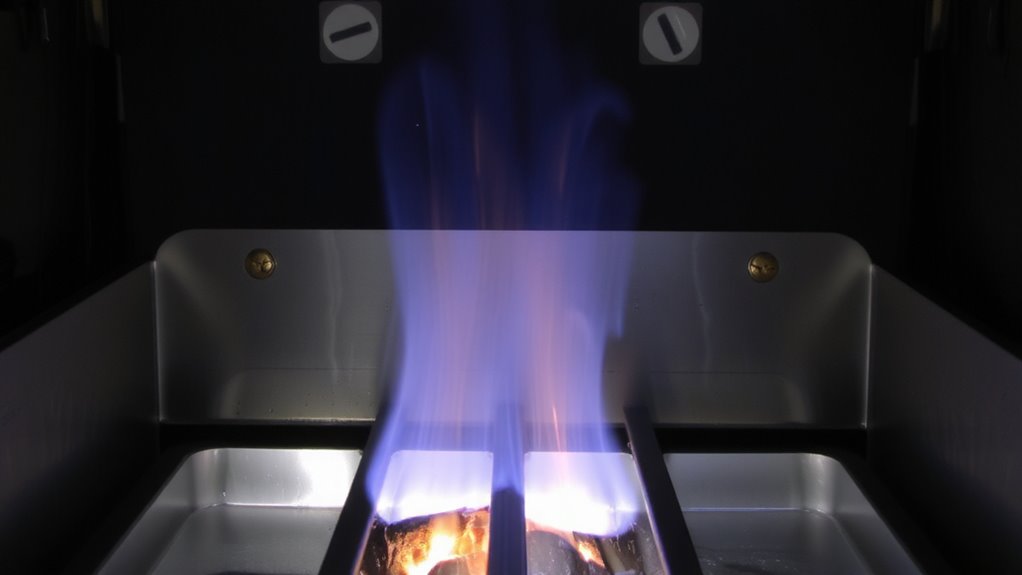
Ever wonder why your grill sometimes struggles to stay hot or produces more smoke than flame? Chances are, it’s not getting enough oxygen. Proper airflow is essential for complete combustion, and without it, your fuel burns inefficiently, wasting pellets or charcoal and lowering heat retention. When oxygen supply lags, flames sputter, temperatures dip, and greasy smoke builds up-ruining flavor and creating soot. But with sufficient air, especially near the fuel source, you’ll see cleaner burns, steadier temps, and better fuel efficiency. You’re not just lighting a fire; you’re managing a reaction. More oxygen means faster ignition, fewer cold spots, and consistent cooking results. It’s not magic-it’s science. Upgrading your system to include additional air access helps you stay in control, whether searing or slow-roasting. Simply put, if you want heat you can count on, you need airflow you can trust. Oxygen isn’t just helpful-it’s non-negotiable.
Primary vs. Secondary Airflow in Your Grill
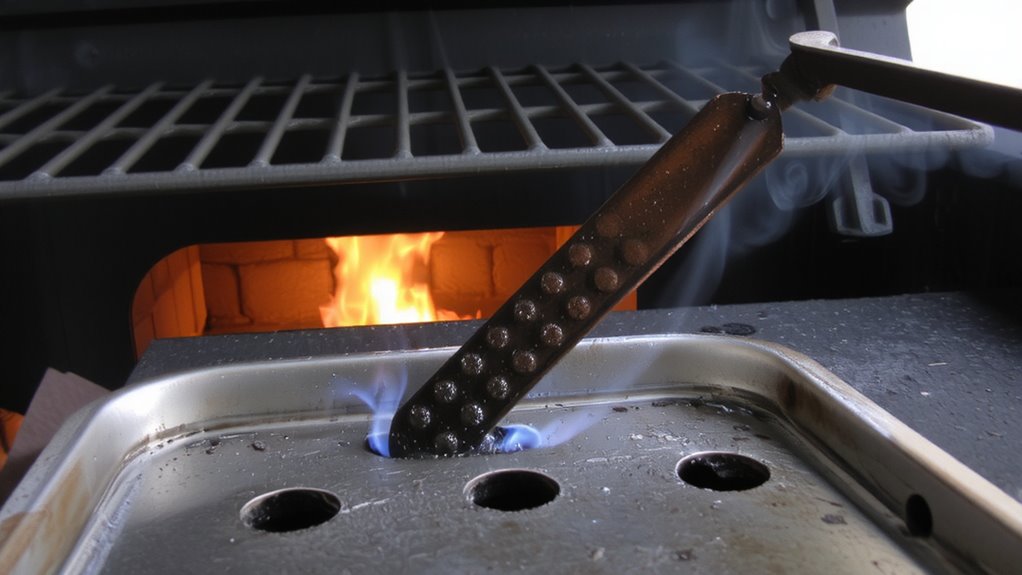
While primary airflow handles the initial ignition and sustains the base combustion in your grill, it’s the secondary air inlets that fine-tune performance for cleaner, hotter burns. You rely on primary air to get the fire going, but once it’s burning, secondary airflow kicks in to boost efficiency. These inlets introduce oxygen above the fire, promoting better air mixing with rising smoke and unburned gases. That means more complete combustion, less soot, and improved heat retention in the cooking chamber. You’ll notice fewer cold spots and more consistent temperatures, especially near the grates. Without secondary airflow, even a well-tuned grill can struggle with uneven cooking and excessive smoke. It’s not just about adding more air-it’s about placing it strategically. For serious outdoor cooking, balancing both airflow types isn’t optional; it’s essential for control, flavor, and fuel economy.
Signs Your Grill Needs Secondary Air Inlets
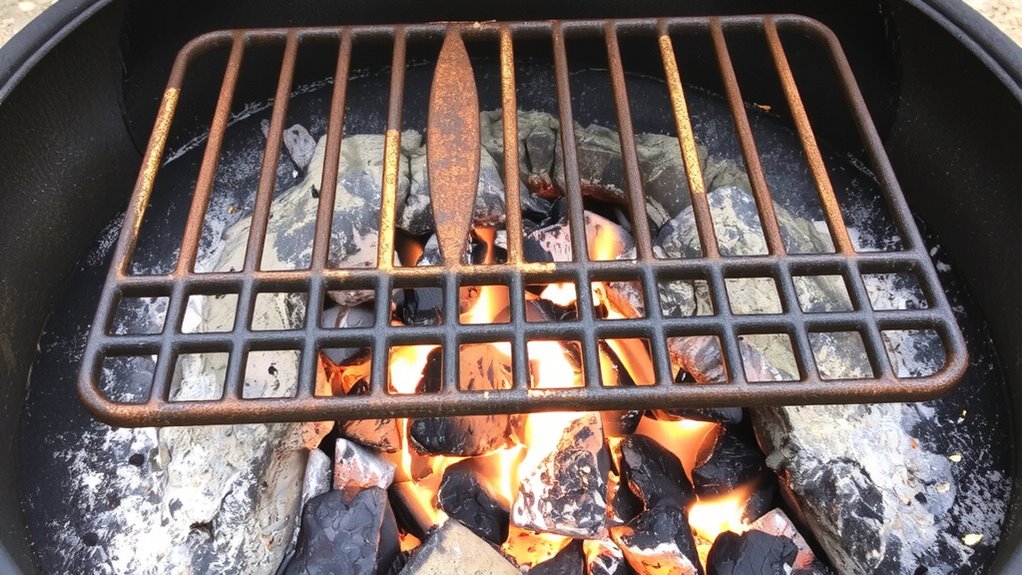
How well is your grill actually burning? If flames sputter or charcoal burns unevenly, you likely lack sufficient oxygen near the cooking zone. Poor combustion often stems from inadequate airflow above the charcoal bed, where secondary inlets can help. Notice persistent cold spots or difficulty maintaining temperature? That’s a red flag. Even with proper charcoal stacking-where coals are evenly arranged for peak draft-your setup might still suffocate without upper air access. Misaligned cooking grates, or grate alignment that blocks natural draft paths, can worsen airflow restriction, leading to inconsistent searing and longer cook times. You might find yourself adjusting vents constantly or repositioning food too often. These aren’t just minor hassles-they point to a systemic airflow deficit. Adding secondary air inlets compensates by feeding oxygen directly where combustion peaks. The result? Cleaner burns, better heat distribution, and improved control. If your grill struggles despite correct setup, it’s time to explore extra inlets.
Where to Place Secondary Air Vents for Best Results
Where should you position secondary air vents to maximize their impact? For best results, place them just below or beside the cooking grates, where flames interact most with fuel. This spot boosts combustion efficiency by feeding oxygen directly to the fire’s primary zone. Effective vent placement strategies focus on symmetry-installing vents on opposite sides guarantees balanced airflow and prevents hot spots. You’ll also want to avoid placing them too low, where ash buildup can clog openings. Using airflow optimization techniques like angled vent design or adjustable dampers helps fine-tune oxygen delivery. These methods improve temperature control and smoke dispersion, especially during long cooks. Positioned correctly, secondary vents enhance heat consistency and fuel burn, making your grilling more predictable and efficient. Proper placement doesn’t guarantee success alone-but combined with smart airflow management, it’s a critical upgrade for serious outdoor cooking.
How to Add Secondary Air Inlets (Step-by-Step)
What does it take to upgrade your grill’s performance with secondary air inlets? It starts with smart vent placement and maintaining proper airflow balance. First, mark spots near the cooking grates-just below the upper vents. Use a drill with a metal bit to create 1/2-inch holes every 3 inches. Guarantee symmetry on both sides for even airflow. Deburr edges to prevent turbulence. Then, install small steel mesh covers to block grease but allow air. This tweak enhances combustion efficiency and stabilizes temperature. Consider these steps:
| Step | Action |
|---|---|
| 1 | Mark positions near grates |
| 2 | Drill holes for secondary inlets |
| 3 | Smooth rough edges |
| 4 | Fit mesh to prevent clogs |
Proper vent placement boosts airflow balance, which is critical for steady burns and consistent results.
How to Adjust Vents for Cleaner Burns and Better Flavor
Once you’ve installed secondary air inlets, fine-tuning their operation becomes key to achieving cleaner burns and richer flavor. You’ll want to adjust both primary and secondary vents to maintain proper air balance-this means enough oxygen reaches the fire without over-stoking it. Open the secondary inlets gradually while monitoring the flame; a steady, blue-tinged fire signals high burn efficiency. If flames surge or smoke thickens, you’ve likely over-ventilated, disrupting the equilibrium. Restrict primary air slightly and rely more on the secondary inlets positioned near the cooking grates-they deliver oxygen right where combustion needs it most. This targeted airflow improves heat consistency and reduces wasted fuel. Over time, you’ll learn how subtle vent tweaks affect cooking performance. Proper adjustment doesn’t just prevent waste-it deepens flavor by promoting complete combustion. Master this, and you’re not just grilling; you’re refining the science of outdoor cooking.
Fixing Smoke, Flare-Ups, and Uneven Heat From Poor Ventilation
A well-ventilated grill doesn’t just burn hotter-it burns smarter, and when airflow is restricted or poorly managed, you’re almost guaranteed to wrestle with excessive smoke, sudden flare-ups, and patchy cooking zones. These issues often stem from fuel saturation and unchecked grease accumulation, both worsened by poor oxygen flow. Adding secondary air inlets near the cooking grates improves combustion efficiency, reducing smoke caused by incomplete burning and minimizing flare-ups triggered by dripping grease meeting stagnant hot spots.
| Problem | Solution with Secondary Inlets |
|---|---|
| Excessive smoke | Enhanced airflow reduces fuel saturation |
| Grease flare-ups | Better draft pulls vapors away quickly |
| Uneven cooking heat | Balanced convection eliminates cold spots |
You’ll notice steadier temps and cleaner sear marks. It’s not just about more air-it’s about smarter distribution. Proper ventilation transforms chaotic burning into controlled thermal dynamics, making your BBQ more predictable and effective. Maintenance stays essential, but airflow fixes root causes, not just symptoms.
On a final note
You’ll notice cleaner burns and better temperature control once secondary air inlets are added near the cooking grates. These vents boost combustion efficiency by supplying oxygen where it’s needed most, reducing smoke and flare-ups. Proper placement-just above the fire-ensures immediate mixing with rising gases, enhancing flavor and heat distribution. While not all grills come with them, adding secondary vents is a worthwhile upgrade for serious BBQ, improving consistency, control, and overall cooking performance with minimal effort.