How to Maintain Seasoning on a Cast Iron Lid Used Frequently on a Smoker
Keep your cast iron smoker lid seasoned by controlling heat-stick to 225–300°F to avoid damaging the polymerized layer. Clean it gently while warm with a nylon brush or chainmail, never soaking or using harsh soap. Always dry thoroughly, then apply a thin coat of high smoke point oil like flaxseed. Store in a dry place with breathable coverings to prevent rust. Fix sticky or patchy spots with light buffing or a quick reseason. Care like this keeps protection strong and performance consistent-there’s more to get right with long-term upkeep.
Notable Insights
- Regulate smoker temperature between 225–300°F to prevent overheating and protect the polymerized oil layer.
- Clean the lid while warm using a nylon brush or chainmail pad to avoid damaging the seasoning.
- Apply a thin coat of high smoke point oil like flaxseed or grapeseed after each use.
- Dry the lid thoroughly and store in a cool, dry place to prevent moisture-induced rust.
- Re-season at 375°F if seasoning becomes uneven or sticky to restore a durable non-stick surface.
Stop Heat and Smoke From Ruining Your Seasoning
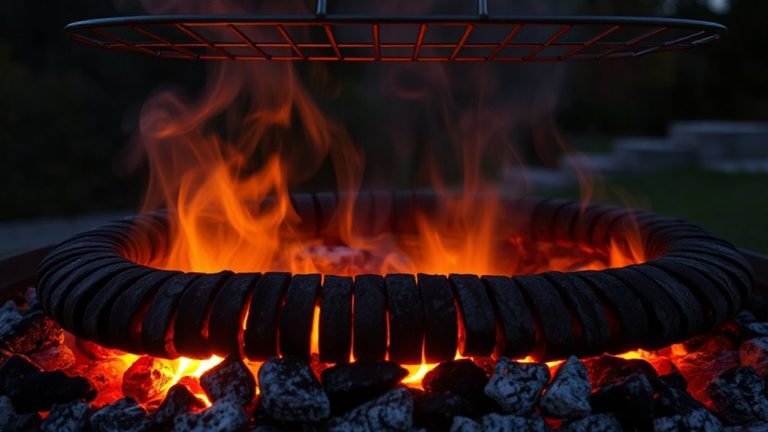
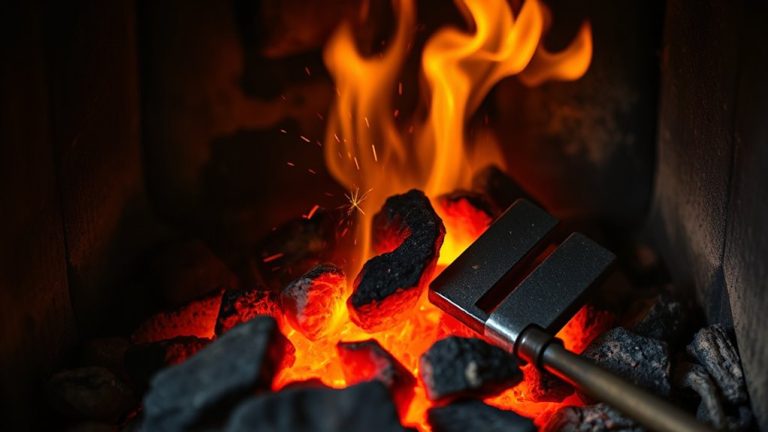
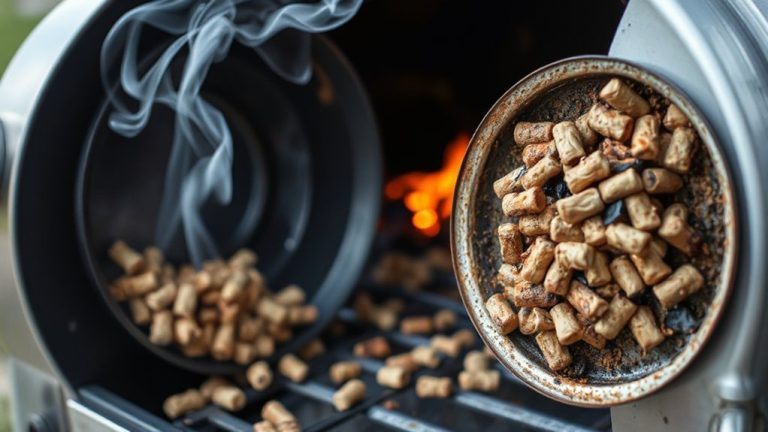
While high heat is necessary for searing and locking in flavor, letting your cast iron lid overheat can break down the polymerized oil layer that makes up your seasoning. Prolonged exposure leads to heat damage, which warps and degrades that essential non-stick surface. You’ll notice this when food starts sticking or the finish looks patchy. Smoke buildup from extended smoker use exacerbates the problem-creosote and carbon deposits embed into the pores of the metal, dulling the seasoning and inviting corrosion. You’re better off regulating temperature with your smoker vents than blasting the lid with direct flame. Maintaining a steady 225–300°F keeps cooking efficient without pushing the iron past its threshold. Occasional visual checks help: if the lid glistens evenly, you’re good. If it’s ashy or blackened in thick layers, you’ve gone too far. Prevention beats restoration, so monitor both heat and smoke closely.
Clean Without Stripping the Seasoning Layer
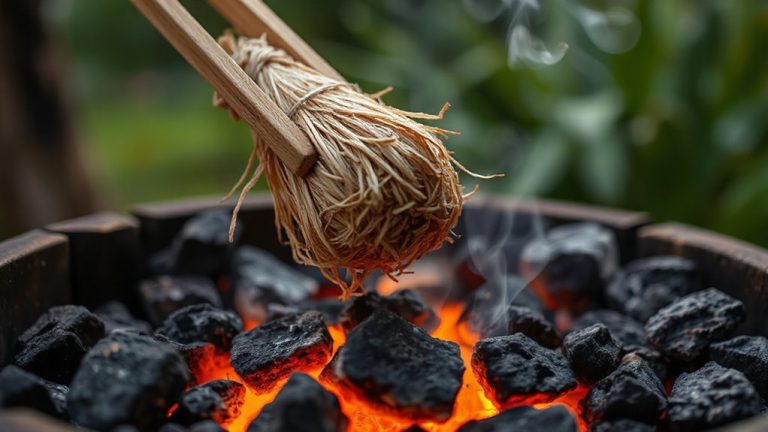
Since preserving your cast iron lid’s seasoning hinges on proper cleaning, you’ll want to act carefully after cooking while the surface is still warm but safe to handle. Avoid soaking the lid or using harsh detergents, as these strip away the polymerized oil layer that protects against rust and guarantees non-stick performance. Instead, use gentle scrubbing with a nylon brush or chainmail pad to dislodge residue without damaging the coating. Wipe down the surface with a damp cloth, then immediately dry it thoroughly-moisture control is critical, as lingering water promotes oxidation and weakens seasoning integrity. For stubborn bits, a quick wipe with a little white vinegar on a cloth works without aggressive scraping. This method maintains the seasoning’s stability over repeated use, especially under the fluctuating conditions of outdoor smoking. Consistent, minimal intervention proves more effective than deep cleaning, keeping your lid functional and durable season after season.
Oil Your Lid After Every Smoke
You’ve wiped it down and dried it thoroughly-now it’s time to lock in that protection by oiling your cast iron lid after every smoke. Applying a thin coat of oil reseals the surface, preserving the seasoning and preventing moisture intrusion. Opt for oil types with high smoke points like flaxseed, grapeseed, or vegetable oil-they polymerize well and strengthen the nonstick layer over time. Avoid butter or olive oil; their low smoke points lead to sticky residues. Use clean application tools such as a lint-free cloth, paper towel, or silicone brush to spread a barely-there film. Too much oil leads to buildup and tackiness, not protection. This habit takes seconds but makes a measurable difference in performance and longevity. Consistent oiling after use guarantees your lid stays dark, slick, and ready for the next cook. It’s not overkill-it’s essential maintenance for serious outdoor cooking. Proper care ensures your lid performs like the best cast iron cookware for grilling, even under prolonged smoker use.
Store Your Cast Iron Lid to Prevent Rust
A single lapse in storage can undo months of careful seasoning, so treating your cast iron lid like a precision tool pays off in durability and performance. Proper storage is vital-always make certain the lid is completely dry before putting it away, since even minor exposure to humidity can trigger rust. Store it in a cool, dry place, preferably indoors, to avoid moisture from rain or dew. If stacking with other cookware, place a breathable cloth or paper towel between surfaces to absorb any residual dampness. Never leave it outside uncovered or in a damp garage. Consider using a fitted lid cover made of breathable fabric to protect it without trapping moisture. Proper storage isn’t excessive-it’s essential maintenance. Consistently avoiding moisture preserves both seasoning and structural integrity, making certain reliable performance every time you fire up your smoker.
Fix Common Cast Iron Seasoning Problems
When seasoning problems arise, they’re usually fixable with a methodical approach and the right materials-most issues stem from uneven oil application, excessive heat, or moisture exposure that disrupts polymerization. If you notice an uneven coating, strip the lid with a gentle abrasive, then reapply a thin, consistent layer of high-smoke-point oil like flaxseed or grapeseed. Buff thoroughly to avoid pooling, which leads to sticky spots. For stuck residue caused by burnt oil or food debris, avoid harsh detergents; instead, use a paste of coarse salt and oil to scrub gently while preserving the base layer. Re-season at a controlled temperature-around 375°F-to guarantee proper bonding. Frequent, low-and-slow smoking cycles actually stabilize seasoning better than occasional high-heat runs. With consistent care, even stubborn flaws can yield a durable, nonstick surface ideal for outdoor cooking.
Why Your Smoker Lid Needs Seasoning
That slick, dark surface on your smoker lid isn’t just for show-it’s a functional layer of polymerized oil that forms a protective barrier against rust and moisture, just like the seasoning on your cast iron skillet. You need this layer because it improves heat retention, helping your smoker hold steady temperatures with fewer fluctuations. Without proper seasoning, the metal oxidizes, leading to hot spots and uneven cooking. More than that, a well-seasoned lid reduces sticking and makes cleanup easier after long smokes. It also minimizes unwanted flavor transfer between cooks, ensuring your brisket doesn’t taste like last weekend’s salmon. Over time, repeated exposure to smoke and oil builds a more durable finish, enhancing performance. You’re not just protecting metal-you’re investing in consistency, flavor control, and longevity. A seasoned lid isn’t optional; it’s essential for reliable, high-quality BBQ.
On a final note
You’ll keep your cast iron smoker lid in top shape by balancing routine care with smart maintenance. Heat and smoke test seasoning, but proper oiling after each use strengthens it over time. Cleaning gently preserves layers without damage, while correct storage prevents rust. A well-seasoned lid improves heat retention and resists corrosion, enhancing your smoker’s performance. It’s not just protection-it’s functional durability that pays off in flavor and longevity, making seasoning essential for serious outdoor cooking.