Wood Chip Size vs Burn Temp: Smoke Density Guide (225-250°F)
Choose smaller wood chips for thinner, quicker smoke or larger chunks for denser, longer-lasting smoke when cooking low and slow at 225°F–250°F. Smaller chips burn fast and work well for short cooks, while bigger chunks smolder steadily, ideal for thick, flavorful smoke over hours. Keep wood moisture around 15–20% and avoid wet or green wood to prevent bitter, gray smoke. Adjust airflow to maintain clean, bluish smoke, and you’ll find even better results as you refine each step.
Notable Insights
- Smaller wood chips burn faster and produce thinner smoke, best for short cooks at higher temperatures.
- Larger wood chunks smolder slowly, generating denser smoke ideal for long, low-and-slow smoking sessions.
- Maintain temperatures between 225°F and 250°F to produce clean, flavorful blue smoke with optimal density.
- Avoid high heat that creates thin, gray smoke; it lacks flavor and can impart bitterness to food.
- Use wood with 15–20% moisture to ensure consistent smoke; too much moisture causes steaming instead of smoking.
Choose the Right Wood Chip Size for Smoke Density
The size of your wood chips plays a key role in how thick or thin your smoke runs during a cook, and getting it right means balancing burn rate with flavor output. If you use chunks that are too large, they smolder slowly and may suffocate, especially with high moisture content wood. Smaller chips burn faster, producing a thinner smoke unless managed carefully. Your wood type also influences this balance-dense hardwoods like hickory or oak hold up well in size, delivering steady flavor. Softwoods or overly dry chips can flare and vanish too quickly. You’ve got to match chip size to your wood type and its moisture content-ideally 15–20%-for clean, flavorful smoke. Too wet, and you’ll get billowing vapor that coats meat unevenly. Too dry, and the burn’s short-lived. Aim for consistency to maintain control over smoke density throughout the cook. For optimal results, consider using best wood chips for smoking that are properly seasoned and sized for your smoker.
Use Low and Slow Heat for Thick, Flavorful Smoke
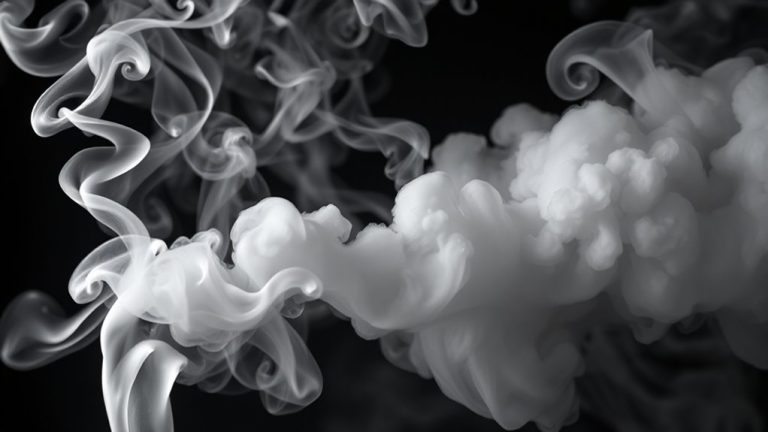
While high heat might seem like the faster route to a finished cook, running your smoker too hot often thins out the smoke and burns off volatile flavor compounds before they can penetrate the meat. For rich smoke flavor, you need low and slow heat-ideally between 225°F and 250°F. At this range, heat intensity is controlled enough to produce thick, white-to-light-blue smoke, which carries more taste-enhancing compounds. Excessive heat generates thin, gray smoke that lacks depth and can even add bitterness. Patience rewards you with better absorption and tender results. Choosing the right best smoking wood can further enhance smoke quality and flavor profile.
Match Chip Size and Temperature to Your Cook Time
If you’re planning a long cook, you’ll want to pair larger wood chunks with your low-and-slow temperature range, since they burn more steadily and replenish smoke over hours without flaring up. Their increased mass extends burn duration, reducing the need for frequent refills. For quicker sessions, small chips work fine, especially if you maintain proper chip moisture-slightly damp chips smolder longer and produce richer smoke. But don’t oversaturate; wet chips create steam instead of smoke. Match thinner cuts or fast grilling with higher heat and smaller chips for efficient smoke delivery. This pairing guarantees flavor builds without overwhelming the meat. You’re balancing control and consistency, and chip size directly affects that. With larger chunks, you gain stability; with smaller chips, responsiveness. Adjusting based on cook time lets you optimize smoke density and flavor development, making your technique more precise and your results more predictable. Pairing the right wood with a well-chosen best dry rub for beef roast enhances both smoke and seasoning synergy.
Prevent Bitter Smoke From Common Mistakes
Why does your smoke sometimes turn harsh and acrid, leaving a bitter aftertaste on your ribs or brisket? It’s usually because you’re dealing with incomplete combustion, often from poor wood prep or mismanaged heat. When smoke color veers into thick white or gray, that’s a warning-clean, efficient smoke should be thin and bluish. Thick smoke deposits creosote, which ruins flavor. Your wood’s burn rate plays a big role too; if chips smolder too slowly due to low temps or excess moisture, they produce bitter compounds. Avoid green or wet wood, and never let flames die down so much that wood just steams. Instead, maintain a steady, hot fire that promotes full combustion. Monitor both smoke color and burn rate closely-these indicators tell you whether flavor is building or breaking down. Small mistakes here don’t just alter taste; they dominate it.
Keep Smoke Consistent With Airflow and Fuel Control
You can prevent bitter tends all day, but without steady airflow and smart fuel management, your cook will still go off track. Smoke consistency isn’t just about wood type-it hinges on how well you maintain airflow balance in your smoker. Too much oxygen and your fuel burns too hot, thinning the smoke; too little and you’ll get billowing, sooty plumes that ruin flavor. Most experienced pitmasters recommend adjusting intake and exhaust vents gradually to stabilize temperature and smoke output. Consistent smoke means keeping the fire breathing just right-like a slow, even heartbeat. Use smaller wood chunks for longer cooks, adding them only when smoldering fades. Overloading leads to erratic combustion and poor airflow balance. Monitor the exhaust smoke: clean, thin blue wisps are ideal. With steady airflow and mindful fueling, you’ll maintain ideal smoke consistency and pull off a flawless, flavorful cook every time.
On a final note
You’ll get the best smoke density by pairing small chips with higher temps for quick cooks, and larger chunks with low, steady heat for long sessions. Thick, flavorful smoke comes from controlled airflow and consistent fuel, not charring. Avoid bitter flavors by keeping combustion clean and temperatures stable. Mastering chip size, heat, and oxygen balance means better flavor, cleaner smoke, and more reliable results every time you fire up the grill or smoker.