How to Use a Windshield to Protect Gas Grill Burners From Cooling Gusts
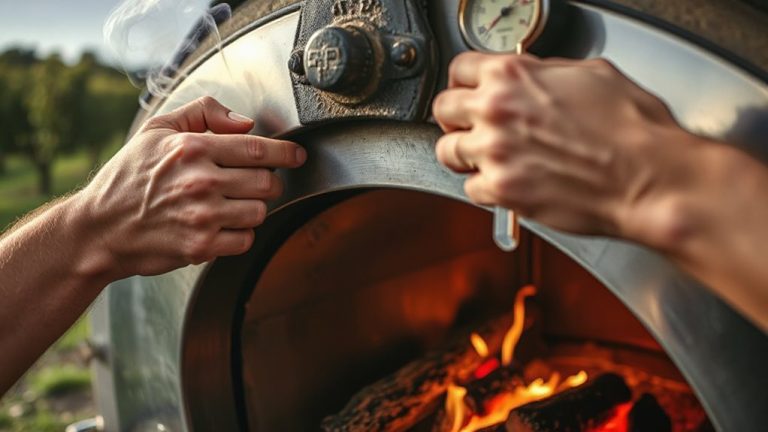
Position your gas grill so the built-in windshield faces the prevailing wind, protecting burners from cooling gusts that disrupt flames and waste fuel. These side or rear shields work best when aligned to block wind before it hits the burner ports, helping maintain steady, blue flames. Use medium heat settings for better stability and less wind interference. If flames lift or yellow, adjust the grill’s position or check burner alignment-proper setup guarantees efficient performance and consistent results you can count on every time.
Notable Insights
- Position the grill so the windshield faces into the prevailing wind to block cooling gusts.
- Ensure the windshield is located between the burners and wind source for effective flame protection.
- Avoid enclosing burners completely; allow airflow while shielding from direct wind disruption.
- Align burners properly with gas ports if flames lift or extinguish due to wind exposure.
- Use medium burner settings to maintain flame stability and reduce fuel waste in windy conditions.
Find Your Gas Grill’s Windshield Fast
Where exactly is your gas grill’s windshield, and why does it matter? It’s typically the built-in side walls or rear shield surrounding the burners, designed to protect flames from wind interference. You’ll want to locate it quickly because its effectiveness hinges on proper grill placement-positioning matters more than most realize. If your grill sits exposed in an open yard, even a modest breeze can disrupt ignition timing, causing uneven starts or flare-ups. A well-placed unit, tucked near a wall or shielded corner, uses the windshield’s structure to stabilize airflow. That boosts performance, especially in gusty conditions. Most manufacturers integrate this feature into the body, so it’s not removable. Ignition timing relies on consistent gas flow and spark exposure; when wind sneaks in, it delays or prevents proper burner catch. So check your model: Does the windshield fully enclose the burners laterally? If not, you might need adjustments in placement to compensate.
Block Wind the Right Way With the Windshield
While your grill’s built-in windshield does much of the work, you’ll still need to think critically about how it interacts with the wind-because simply having one isn’t enough if it’s not positioned effectively. You’ve got to assess the wind direction before firing up: place the windshield so it stands between the burners and the prevailing gusts. Most grills position the windshield at the rear, but if wind hits from the side or front, reposition your grill when possible. Proper alignment boosts heat retention by minimizing convective cooling, keeping temperatures stable across the cooking surface. A poorly blocked breeze doesn’t just lower temps-it creates hot and cold zones, undermining even searing. For best results, combine physical blocking with strategic grill placement near windbreaks like walls or counters. Doing so enhances efficiency, fuel economy, and cooking control, making your setup more reliable regardless of weather.
Keep Flames Steady With Smart Burner Control
You’ll often find that maintaining consistent flame output hinges not just on the windshield’s placement but on how wisely you manage your grill’s burner controls. Turning knobs too high can overwhelm the burner, creating uneven heat and reducing burner efficiency, especially when wind disrupts the airflow mix. Instead, aim for a medium setting that supports strong flame stability without excessive flare-ups. Most modern grills respond better to gradual adjustments, letting you match heat to cooking needs while conserving gas. Matching burner output to the task-like searing vs. slow roasting-improves control and results. You’ll notice better temperature consistency across the grilling surface when flame stability is prioritized through thoughtful knob use. Overcranking may seem efficient, but it often leads to hot spots and wasted fuel. Smart burner control means precision, not power, working with your windshield to maintain ideal conditions throughout the cook.
Fix Lifted or Out Flames in Real Time
What happens when your grill’s flames suddenly lift or vanish mid-cook? You’re dealing with disrupted flame stabilization, usually from wind interference or faulty burner alignment. When flames lift, they detach from the burner ports, weakening heat output and cooking unevenly. If they go out entirely, fuel flows without ignition-risky and wasteful. Act fast: first, check that burners are properly aligned with the gas ports; misalignment disrupts gas flow and ignition. Realign them carefully, ensuring tight, secure placement. Then, assess flame stabilization-consistent blue flames mean efficient combustion. Flickering or yellow tips suggest wind is messing with the air-fuel mix. Your windshield should shield without enclosing; total enclosure traps heat and worsens flame instability. Adjust it to block gusts from the side, not the front. Proper burner alignment and strategic wind shielding are critical. Together, they keep flames steady, safe, and effective when the wind picks up.
Save Fuel and Heat With Windproof Grilling
Because wind saps heat and scatters flames, grilling in breezy conditions without protection forces you to crank the burners higher just to maintain temperature-wasting fuel and risking flare-ups. A simple windshield changes that. By blocking gusts, it stabilizes burner output, so you’re not constantly adjusting. That means better fuel efficiency and more consistent cooking temps. Position the shield downwind, using wind direction to your advantage-this stops cool air from disrupting the flame layer above the burner. Most weld-free models snap on in seconds and don’t interfere with grease management. You’ll notice less propane use over time, especially on open decks or exposed patios. It’s not just about comfort; it’s about control. With steady heat, searing and slow-cooking work more predictably. Windproof grilling isn’t a luxury-it’s smart design meeting practical performance. You save time, gas, and effort.
On a final note
You’ll keep your grill performing efficiently by using the windshield correctly. It blocks gust claws that cool burners and disrupt flames, helping maintain consistent heat. Proper placement guarantees airflow stays balanced-too tight and you risk overheating, too loose and wind interferes. Adjusting burner settings in tandem with the windshield maximizes fuel efficiency and control. Together, these steps support reliable, windproof grilling.