Educating Guests on No-Lid Grilling Rules When Using Explosive Pitch-Heavy Logs
You shouldn’t grill without a lid using pitch-heavy logs unless they’re seasoned hardwoods-softwoods like pine trap resin and moisture, leading to sudden pops and dangerous flare-ups. Use dry oak or hickory instead; they burn steady and predictable. Keep a spark screen over the fire, control airflow, and never leave the pit unattended. A clean, well-managed fire gives better results and keeps everyone safer around the grill. There’s more to mastering outdoor fire safety with the right techniques and timing.
Notable Insights
- Avoid using pitch-heavy logs like pine or cedar for no-lid grilling due to high flare-up and explosion risks.
- Only use seasoned hardwoods such as oak or hickory to ensure stable, predictable flames during open grilling.
- Keep a spark screen in place to contain embers and reduce fire hazards when grilling without a lid.
- Maintain a five-foot safety zone around the grill to protect guests from sudden flare-ups or flying sparks.
- Assign a sober adult to monitor the fire continuously and respond quickly to any safety incidents.
What Makes Some Logs Explode in Fire Pits?
Why do some logs suddenly pop or crackle like firecrackers in your fire pit while others burn steadily? The answer lies in moisture content and wood density. When you toss a log onto the fire, trapped water inside heats rapidly, turning to steam and building pressure until it escapes-with a pop. Logs with high moisture content, like freshly cut wood, are more prone to this reaction. Wood density also plays a role: denser woods such as oak burn slower and more predictably because their tight grain resists rapid steam expansion. In contrast, lower-density woods like pine allow steam to move freely, increasing the chance of sudden cracks or bursts. For steady, controlled heat ideal for no-lid grilling, seasoned hardwoods with low moisture content and high wood density are your best bet. They deliver consistent performance, minimizing surprises and maximizing cooking control. Choosing the right type of wood is crucial, and best smoking wood picks can make a significant difference in both safety and flavor.
How Resin Turns Firewood Into a Hazard
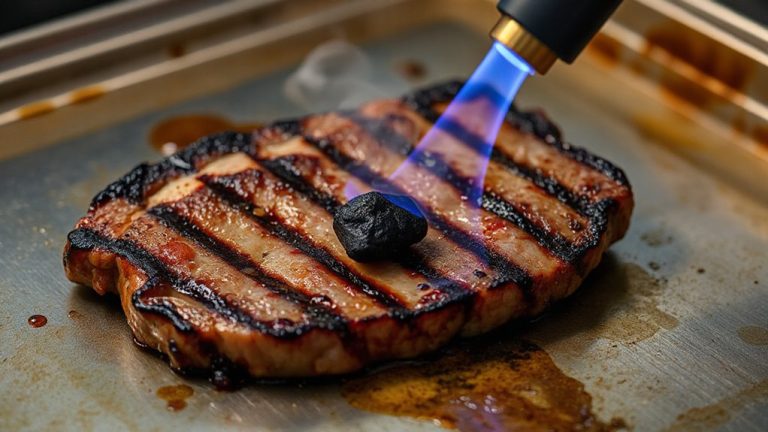
While you might not think twice about tossing a chunk of pine or cedar on the fire, doing so could turn your grill session into a risky affair-mainly because of the resin these softwoods contain. That sticky resin burns hot and fast, dramatically increasing combustion risk when heated. Unlike hardwoods, which release energy steadily, softwood resin causes unpredictable flare-ups and popping flames. Resin buildup in logs or on grill components traps volatile compounds, which can ignite explosively under high heat. You’re not just compromising flavor-you’re creating unnecessary danger. These flare-ups can scorch food, damage equipment, and even lead to accidental burns. For safer, more controlled grilling, avoiding resin-rich woods is essential. The performance difference is clear: stable heat from clean-burning wood supports better cooking outcomes. Resin doesn’t just smoke excessively-it fundamentally undermines control, predictability, and safety every time you grill without a lid.
Safe vs. Unsafe Firewood: Spot the Difference
Choosing the right firewood isn’t just about heat-it’s about control, flavor, and safety. You need to know the difference between safe and unsafe wood, especially when grilling without a lid. Safe firewood-like well-seasoned oak, hickory, or maple-has undergone proper seasonal storage, meaning it’s been dried for at least six to twelve months. It burns cleanly, produces steady heat, and enhances flavor. Unsafe wood, such as green, resinous softwoods or improperly sourced logs, can spark dangerously and release acrid smoke. Your firewood sourcing matters-always avoid painted, treated, or rotting wood. Look for clean, cracked ends and a hollow sound when tapped. Poor choices compromise control and contaminate food. When you prioritize quality wood through smart sourcing and patient storage, your open-flame grilling becomes predictable, efficient, and flavorful-exactly what you need for reliable backyard results.
Top Rules for Grilling Over Open Flames
You’ve got your firewood sorted-seasoned hardwood stacked and ready, free of chemicals and excess moisture-so now it’s time to put that flame to work the right way. Mastering open-flame grilling means understanding fire type and managing burn time effectively. A well-built fire gives steady heat without flare-ups, letting you sear or slow-cook with precision. Below are key rules to follow:
| Rule | Purpose | Impact on Burn Time |
|---|---|---|
| Use dry, seasoned wood | Prevents steam, improves ignition | Extends consistent burn |
| Control airflow | Regulates fire type (hot vs. low) | Balances intensity and duration |
| Stack logs properly | Promotes even combustion | Maximizes efficiency |
| Avoid overcrowding | Reduces oxygen starvation | Prevents uneven burn time |
| Monitor flame height | Guarantees safe, steady fire type | Supports predictable cooking |
Respect the fire, and it’ll deliver great results.
How to Stop Sparks and Ember Flare-Ups
When flames begin to leap unpredictably and embers float into the air, your control over the grill starts slipping, so managing spark and flare-up risks becomes essential for both safety and cooking precision. You can’t afford to overlook grill maintenance-ash buildup and grease residues increase ignition risks and compromise airflow. Clean your grill grate and firebox regularly to minimize combustion hazards. For effective spark containment, use a spark screen or mesh guard around the fire; it lets heat circulate while trapping most embers. Position the grill away from overhanging branches and seating areas to reduce danger. Avoid piling logs too tightly, as poor spacing causes erratic burns and sudden flare-ups. Monitor flame height closely-tall flames mean unstable combustion. With diligent upkeep and smart spark containment, you keep the fire where it belongs: under control and beneath your food.
Better (and Safer) Wood Choices for Fires
Many backyard cooks overlook the impact of wood selection, but the right fuel can make a real difference in both safety and flavor. Choosing wood with low moisture levels and prioritizing hardwood benefits guarantees cleaner burns and fewer flare-ups. Softwoods like pine may ignite quickly, but they produce excess smoke and pitch, raising safety concerns. Hardwoods such as oak, hickory, and maple burn hotter and longer, offering better control during no-lid grilling. A top fire pit wood pick ensures optimal performance and safety for outdoor cooking. Below is a quick comparison of common firewood types:
| Wood Type | Moisture Level | Hardwood Benefits? |
|---|---|---|
| Oak | 15–20% | Yes |
| Hickory | 18–22% | Yes |
| Maple | 17–21% | Yes |
| Pine (unseasoned) | 30–50% | No |
| Cedar | 25–40% | No |
Always use seasoned wood-properly dried for at least six months-for peak performance.
How to Talk to Guests About Fire Pit Safety
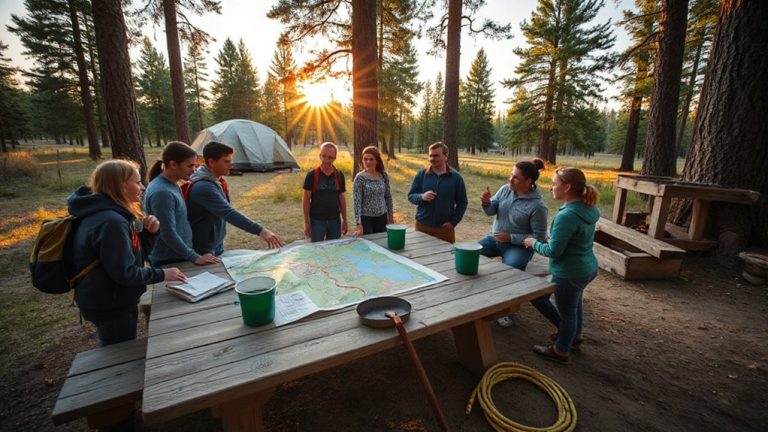
Selecting the right wood isn’t just about flavor and burn efficiency-it also sets the stage for safer fires, which becomes especially important when you’re hosting guests around a fire pit. You’ll want to clearly explain guest etiquette before lighting up: keep flammable materials away, never toss random debris into the flames, and always use long-handled tools. Open communication about fire behavior helps prevent accidents, especially with pitch-heavy logs that can pop and send sparks flying. Supervision tips include assigning a sober adult as a designated watcher, especially when kids or pets are nearby. Maintain a five-foot safety zone and keep a bucket of water or hose within reach. You’re not just hosting-you’re managing a live flame, so establishing clear boundaries and expectations guarantees everyone enjoys the warmth without unnecessary risks. Safety isn’t restrictive; it’s responsible hospitality. For best results and safety, choose a fire pit specifically designed for cooking, such as those made with durable materials and proper ventilation, as highlighted in top fire pit for cooking picks.
On a final note
You now know why certain logs, especially resin-rich ones like pine, can explode in fire pits-trapped pitch vaporizes and bursts. You’ve learned to spot unsafe wood and prioritize seasoned hardwoods like oak or hickory. Following open-flame grilling rules reduces risks, and managing sparks protects everyone nearby. Talking to guests calmly but firmly about safety isn’t optional-it’s essential for responsible outdoor cooking. Your fire pit should inspire enjoyment, not accidents.