Perfecting a Sweet Tea Brine for Southern-Style Grilled Chicken
You’ll get the best results by brewing a strong black tea-Assam or Ceylon-with sugar and salt in a 4:1 ratio by weight, then cooling it completely before submerging your chicken for 4 to 12 hours. This balance guarantees deep flavor, juicy texture, and a golden crust when grilled over 375°F with indirect heat. Avoid weak tea or warm brines, and you’ll see why this method outperforms others-especially when you explore how tannins and heat work together.
Notable Insights
- Use strong-brewed black tea like Assam or Ceylon for optimal tannin structure and flavor depth.
- Maintain a 4:1 sugar-to-salt ratio by weight to balance sweetness and seasoning.
- Steep tea at double strength and cool completely before adding chicken to ensure food safety.
- Brine boneless breasts for 2–4 hours, thighs or whole pieces for 6–12 hours to avoid mushiness.
- Preheat grill to 375°F, sear first, then use indirect heat to prevent charring and ensure even cooking.
How to Make Sweet Tea Brine for Juicy Grilled Chicken
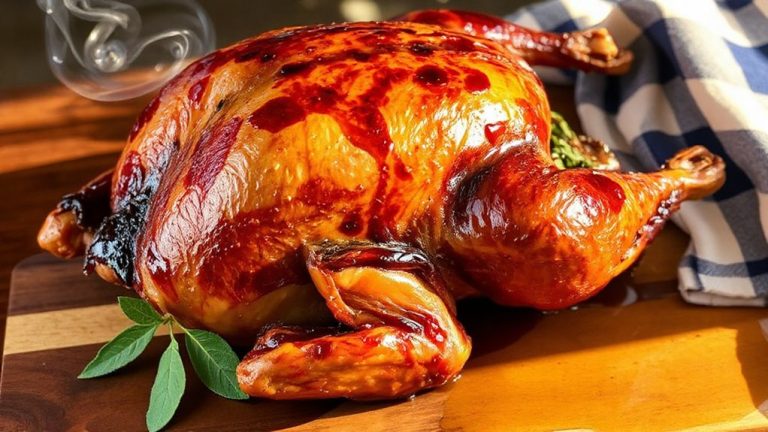
Sweet tea brine isn’t just a nod to Southern tradition-it’s a functional tool that delivers tender, flavorful grilled chicken with a subtle sweetness and a touch of tannin that enhances browning on the grill. You start by brewing a strong tea infusion-black tea works best-then dissolving sugar into the hot liquid before cooling it completely. Combine it with water, salt, and a splash of vinegar to boost moisture retention. The spice balance matters: a pinch of smoked paprika, garlic powder, and black pepper adds depth without overpowering the tea’s sweetness. Submerge chicken for at least 4 hours, or up to 12. The brine penetrates evenly, ensuring juiciness. When grilled, the tea’s natural sugars help form a rich crust. You’ll notice improved texture and layered flavor-sweetness tempered by savory notes. This method outperforms plain saltwater brines, delivering consistent results ideal for backyard cooks aiming for restaurant-quality results with minimal fuss. For best results, use a food-safe container large enough to fully submerge the chicken, such as a brining container designed for poultry.
Best Tea for Sweet Tea Brine (And What to Avoid)
Black tea stands as the backbone of an effective sweet tea brine, and for good reason-its robust tannin structure and malty depth hold up well against high grill heat while enhancing browning and texture. You’ll want to choose teas with a strong tea origin, like Assam or Ceylon, which deliver bold flavor without turning bitter when steeped hot. Avoid green, white, or herbal teas; their delicate compounds break down too quickly, leading to a flat or astringent brine. When considering brand selection, go for 100% pure black tea-avoid pre-sweetened or flavored blends that contain additives. Generic grocery store brands work fine, but premium loose-leaf options can deepen complexity. Always brew it strong: use double the tea per cup compared to drinking strength. This guarantees the tea’s flavor penetrates the chicken fully during brining. Stick to classic choices, and your brine will lay the perfect foundation for rich, Southern-style grilled results.
Get the Sugar-To-Salt Ratio Right
Getting the sugar-to-salt ratio right in your sweet tea brine is essential-you’re not just balancing sweetness and savoriness, but also influencing texture and browning on the grill. Too much sugar concentration leads to excessive charring, while too little won’t promote that deep, caramelized crust you want. On the other hand, proper salt balance guarantees the chicken retains moisture and seasons evenly without tasting briny. Aim for a 4:1 ratio of sugar to salt by weight-this gives enough sweetness to complement the tea without overwhelming the meat. This balance enhances both flavor and surface development during grilling, giving you tender, juicy results with a rich, golden finish. You’ll notice the skin crisps better and the edges caramelize more predictably. Getting this ratio right doesn’t just improve taste-it directly impacts how your chicken performs over open flame.
How Long to Brine Chicken for Tenderness
You’ve nailed the sugar-to-salt balance, so now it’s time to think about how long your chicken should soak in that sweet tea brine to achieve real tenderness. The ideal brine duration depends on the cut: boneless breasts need just 2 to 4 hours, while thighs or whole pieces benefit from 6 to 12. Going too short means minimal impact on chicken texture; too long, especially beyond 14 hours, risks oversaturation, making the meat mushy. Sweet tea brines, with their mild acidity and sugar content, tenderize gently but don’t break down proteins aggressively like buttermilk. You’ll notice the best results-juicy, firm-yet-tender meat-when you match brine duration to thickness and bone content. For consistent texture, never brine above 40°F and always use a non-reactive container. This precision guarantees your chicken holds up well on the grill without sacrificing succulence.
Grill Brined Chicken for Maximum Flavor
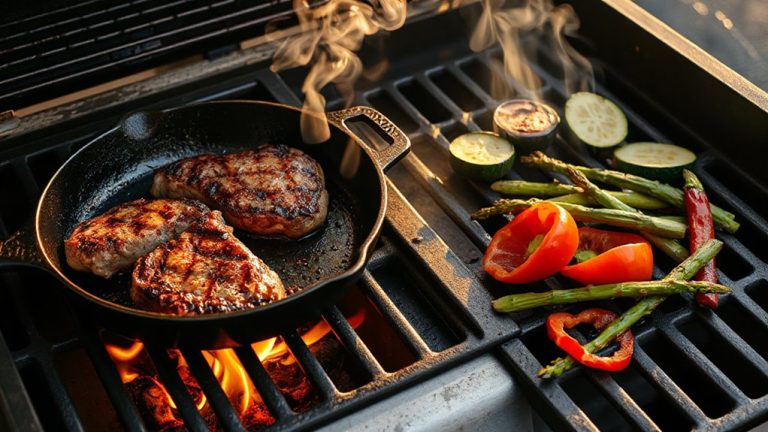
A properly brined chicken rewards careful grilling with juicy interiors and deeply developed flavor, especially when you manage heat and timing with intention. You’ll want to preheat your grill to medium-high-around 375°F-so the chicken sears quickly, locking in moisture. For the best results, use indirect heat after searing; this prevents burning while allowing the sweet tea brine’s sugars to caramelize gently. If you’re using charcoal, adjust airflow to maintain steady temperatures, and toss in hickory or cherry wood chunks to enhance the flavor with a subtle charcoal smoke depth. Unlike marinade alternatives that only coat the surface, brining penetrates the meat, creating more consistent taste and tenderness. Grill thighs and legs for 35–40 minutes, breasts for 25–30, turning occasionally. Use a meat thermometer-165°F in the thickest part signals doneness. Let it rest before serving. For the most tender and flavorful results, choose high-quality best chicken breast that has been minimally processed and, if possible, air-chilled rather than water-chilled.
Fix Common Sweet Tea Brine Mistakes
Grilling brined chicken well means you’ve already taken the right steps toward moisture and flavor, but even a solid routine can falter if the brine itself is off. Getting the tea strength right is essential-too weak and you lose that rich depth; too strong and bitterness creeps in. Always cool your sweet tea completely before adding chicken; warm brine temperature invites bacteria and partially cooks the meat. Never skip refrigeration during brining-it’s non-negotiable for food safety.
| Mistake | Issue | Fix |
|---|---|---|
| Overly strong tea | Bitter flavor | Use 3 tea bags per quart |
| Warm brine | Unsafe temp zone | Chill before use |
| Too long in brine | Spongy texture | Stick to 4–12 hours |
| No salt balance | Poor moisture retention | Use 5% salt by weight |
| Skimping on sugar | Lacking sweetness | 1/2 cup sugar per quart |
Why Sweet Tea Brine Works So Well
The magic of sweet tea brine lies in its balance-sugar and salt don’t just season, they transform. You’re using osmosis to boost moisture retention, and that’s where tea science kicks in. The tannins in black tea subtly firm the meat’s surface, improving texture while allowing deeper flavor penetration. Because the brine is warm when steeped, it dissolves sugars and extracts tea compounds more efficiently, giving you a potent liquid that infuses chicken faster and more evenly. The sugar isn’t just for sweetness-it helps with browning on the grill, creating a crisp, golden crust. You’ll notice the herbs and spices in your blend meld better thanks to the tea base, which carries aromatics more effectively than water alone. This isn’t just tradition; it’s practical chemistry. When done right, sweet tea brine delivers juicy, flavorful chicken every time-proof that backyard BBQ can be as much science as it is art.
On a final note
You’ve now mastered the sweet tea brine, a Southern secret for tender, flavorful grilled chicken. The tea’s tannins and sugar work with salt to retain moisture and promote even browning. When balanced correctly, the brine enhances without oversweetening. Grilling over indirect heat seals in flavor while preventing char. This method proves that low-and-slow outdoor cooking, guided by science and tradition, consistently delivers superior results.