How to Make a Teriyaki-Ginger Wet Marinade for Grilled Salmon Fillets
Mix 2 tablespoons soy sauce, 1 tablespoon each brown sugar and rice vinegar, 2 tablespoons mirin, 1 teaspoon sesame oil, 1 tablespoon grated fresh ginger, and 1 teaspoon minced garlic. This wet marinade clings well and balances sweetness with umami depth. Marinate salmon 30–60 minutes-any longer risks texture damage from the acid and salt. Grill over medium-high heat, skin-side down, for a glossy, caramelized crust. You’ll find the flavor intensity builds beautifully when the glaze meets direct heat.
Notable Insights
- Combine soy sauce, grated ginger, garlic, brown sugar, rice vinegar, sesame oil, and mirin for a balanced teriyaki-ginger marinade.
- Use fresh ginger and low-sodium soy sauce to control flavor intensity and salt levels effectively.
- Whisk ingredients until smooth to create a glossy, slightly thick marinade that clings to salmon.
- Marinate salmon for 30 to 60 minutes to absorb flavor without risking texture degradation.
- Grill marinated salmon skin-side down over medium-high heat for caramelized sear and moist interior.
What You’ll Need: Teriyaki-Ginger Marinade Ingredients
While you might be tempted to reach for a store-bought teriyaki sauce, crafting your own teriyaki-ginger marinade from scratch gives you full control over the flavor and quality, and it’s easier than you’d think. You’ll need soy sauce, fresh ginger, garlic, brown sugar, rice vinegar, sesame oil, and a splash of mirin for authentic depth. The balance of these ingredients guarantees a marinade consistency that clings well to salmon without dripping off during grilling. Too much liquid thins the mixture, reducing flavor adherence; too little limits penetration. If you’re out of mirin, a bit of honey or dry sherry works as an ingredient substitution without ruining the profile. Freshly grated ginger delivers more punch than dried, and low-sodium soy sauce lets you manage salt levels effectively. This flexibility supports consistent results whether you’re using a gas grill or charcoal, making it practical for various outdoor cooking setups.
How to Make the Marinade in 10 Minutes
You’ve got the ingredients lined up-soy sauce, fresh ginger, garlic, brown sugar, rice vinegar, sesame oil, and either mirin or a suitable substitute-and now it’s time to bring them together into a glossy, aromatic teriyaki-ginger marinade in about ten minutes. Start by grating the ginger and mincing the garlic-you’ll want about a tablespoon of ginger and a teaspoon of garlic for a balanced kick. In a bowl, whisk in two tablespoons of soy sauce, one tablespoon each of brown sugar and rice vinegar, a teaspoon of sesame oil, and two tablespoons of mirin. If you’re out of mirin, a mix of rice vinegar and a pinch of sugar works well as an ingredient substitution. The marinade consistency should be thin enough to coat the salmon evenly but not watery. Use it immediately or store in the fridge for up to three days. This mix delivers depth and shine, ideal for grilling.
How Long to Marinate Salmon (And What to Avoid)
Marinating salmon for 30 to 60 minutes is all it takes to infuse the fish with rich, balanced flavor without compromising its delicate texture. This ideal marinating duration allows the teriyaki-ginger mixture to penetrate the surface, enhancing taste while preserving moisture. You don’t need hours-unlike denser meats, salmon absorbs flavors quickly due to its high fat content and tender structure. Exceeding this window increases over marinating risks, especially with acidic or salty components like soy sauce and citrus, which can start to “cook” the fish, leading to a mushy exterior. Avoid marinating longer than 2 hours, even in the fridge. For best results, use a non-reactive container and turn the fillets occasionally. This short, strategic window balances flavor development and texture control, making it perfect for weeknight grilling or weekend barbecues where timing and quality matter.
How to Grill Salmon for a Sweet, Caramelized Crust
If you want that glossy, golden-brown crust that balances sweetness and depth on your grilled salmon, nailing the heat and timing is essential. Preheat your grill to medium-high-around 375–400°F-so the sugars in the marinade can undergo proper sugar caramelization without burning. Pat the salmon dry before placing it skin-side down; this helps achieve crisp skin and clean grill marks. Don’t move it once it’s on the grates-let it sear undisturbed for 4–5 minutes to develop those distinct, restaurant-quality grill marks. The natural sugars in the teriyaki glaze will darken and caramelize, forming a flavorful crust. Flip just once, then cook 2–3 minutes more, depending on thickness. Overcrowding or frequent flipping disrupts caramelization and texture. A well-heated, clean grill guarantees even contact and consistent results-critical for both appearance and taste.
Why This Marinade Works for Salmon
That caramelized crust you just achieved on the grill isn’t just about heat control-it’s a direct result of the marinade’s composition reacting under high temperatures, and that’s where this teriyaki-ginger blend truly shines. The soy sauce and brown sugar sear quickly, forming a rich, glossy glaze that locks in moisture. Meanwhile, fresh ginger and garlic infuse the flesh with aromatic depth without overpowering salmon’s delicate oiliness. You get ideal flavor balance-sweet, salty, umami, and a subtle heat-all working in harmony. The ingredient synergy is key: mirin softens the saltiness, citrus brightens the fat, and the natural oils in the fish carry the seasonings deep into each bite. Unlike harsher marinades that toughen fish, this mix gently penetrates, enhancing rather than masking. It’s formulated for high-heat cooking, so it browns evenly without burning. That’s not luck-it’s smart formulation meeting practical grilling science.
Serving Ideas and Leftover Uses for Teriyaki Salmon
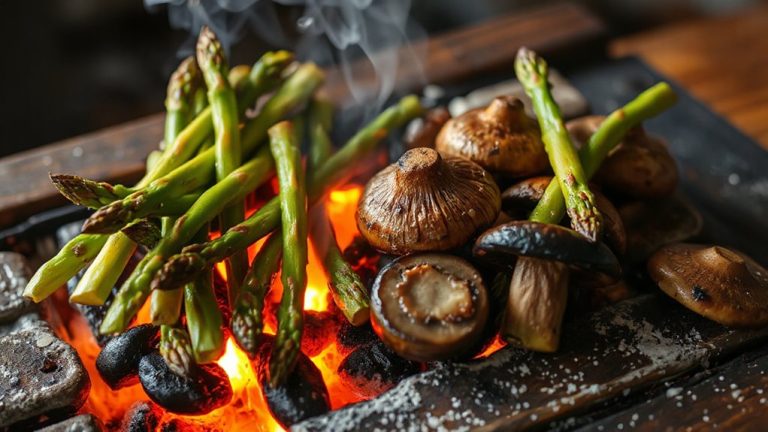
How do you make the most of that perfectly glazed teriyaki salmon once it’s off the grill? Consider smart side dish pairings like steamed jasmine rice, stir-fried bok choy, or a crisp cucumber-sesame salad-they balance the rich umami and slight sweetness of the glaze. The salmon’s bold flavor also complements grilled asparagus or edamame. For meal prep ideas, flake leftover teriyaki salmon into rice bowls, mix into a sushi-style grain salad, or stuff into lettuce wraps with shredded carrots and avocado. These applications preserve flavor while adding textural contrast. Reheating gently in a skillet maintains moisture better than microwaving. Leftover salmon integrates smoothly into weekday lunches, offering protein-rich, flavorful meals with minimal effort. Thoughtful pairing and repurposing extend the dish’s appeal, making it a practical choice for both immediate dining and future use.
On a final note
You’ve got a flavorful, balanced teriyaki-ginger marinade that enhances salmon without overpowering it. Grilling gives the fish a caramelized crust while locking in moisture, showcasing how dry heat intensifies umami and sweetness. This method outperforms baking for texture and depth. Clean grill grates and controlled heat are key. Leftovers reheat well and adapt to bowls or salads, proving the dish’s versatility and efficiency for both weeknight dinners and outdoor cooking success.