Creating Restaurant-Quality Crusts With Direct Flame Exposure on Charcoal
You get the best crust by searing over a hot bed of glowing hardwood coals, where direct radiant heat triggers rapid browning and deep Maillard reactions. Set up a two-zone fire to control flare-ups while maximizing char. Pat your meat dry and season it well-this boosts caramelization and texture. Avoid crowding the grill, and let the sear develop fully before flipping. With the right technique, you’ll achieve smoky, restaurant-grade results that go beyond simple grilling. There’s more to mastering this than heat alone.
Notable Insights
- Use direct heat over hot charcoal to rapidly sear meat and develop a deep, smoky crust.
- Ensure a dry meat surface by patting with paper towels to promote effective browning and caramelization.
- Set up a two-zone fire to control searing intensity and prevent burning during crust development.
- Allow meat to sear undisturbed until it releases naturally to achieve a consistent, adherent crust.
- Avoid overcrowding the grill to minimize steam buildup and maintain optimal searing conditions.
Use Direct Heat for a Smokier Crust
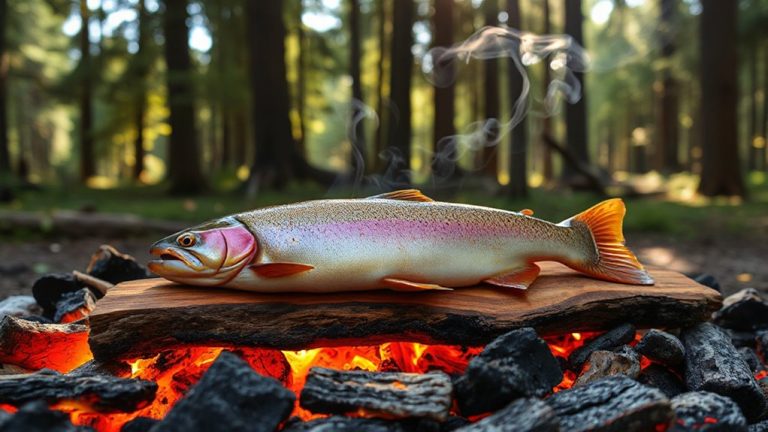
One of the most effective ways to develop a rich, smokier crust on your meats is by using direct heat over a hot charcoal bed. You’ll trigger rapid surface browning, locking in juices while promoting deep flavor development. Flame caramelization kicks in when meat fats drip and ignite, creating brief, intense bursts that amplify char and complexity. This reaction, paired with steady smoke infusion from hardwood coals, builds layers of savory depth you can’t achieve with gas grills. You’ll notice the crust gains a robust, almost roasted nuance, especially in steaks and thick chops. Charcoal’s radiant heat guarantees even contact, though it demands attention-too close, and you risk burning. Yet, done right, the crust crackles slightly under the fork, releasing aromatic smoke notes. For bold texture and authentic grill character, direct heat isn’t just useful; it’s essential. You’ll taste the difference in every bite. Choosing the right equipment, such as one of the best charcoal grills, can significantly enhance your ability to achieve consistent, high-heat searing.
Set Up a Two-Zone Charcoal Fire
You’ve felt the power of direct heat and how it builds a deep, smoky crust, but relying on it alone limits your control and raises the risk of scorching. That’s where a two-zone charcoal arrangement shines. Pile lit coals on one side of the grill, leaving the other empty-this simple setup creates distinct cooking zones. The direct side sears quickly, while the indirect side allows slower, even cooking with less flare-up risk. Effective temperature control comes from managing airflow and coal density, not constant repositioning. You’ll maintain steadier heat, adapt to different proteins, and prevent burnt exteriors with raw centers. This method balances intensity and finesse, making it ideal for thicker cuts or finicky foods like chicken. A well-executed two-zone fire isn’t just practical-it’s essential for consistent, restaurant-quality results. It transforms unpredictable grilling into a repeatable, controllable process. For optimal performance, consider using one of the top-rated charcoal grills designed to maximize heat retention and airflow control.
Pat Dry and Season Well: Prep That Promotes Crust
A dry surface is non-negotiable when chasing that perfect sear. You’ve gotta pat your meat dry before it hits the grill-any surface moisture will inhibit browning and leave you with steam, not crust. Wipe it thoroughly with paper towels; even a slightly damp exterior slows heat transfer and sabotages caramelization. Once it’s dry, season generously. A solid seasoning layer isn’t just for flavor-it kick-starts crust formation by drawing out residual moisture and promoting the Maillard reaction. Use coarse salt and freshly cracked pepper to build texture and adhesion. Don’t be shy; a robust coating holds up under direct flame. This prep step separates decent results from restaurant-quality crusts. Proper drying and seasoning don’t just improve taste-they transform how heat interacts with your protein. Skip shortcuts here, and you’ll pay for it in texture and depth. Prep right, and the grill does the rest.
Sear Like a Pro: Techniques That Work
Heat is your most decisive ally when building a pro-level crust, and mastering its application separates good cooks from great ones. You need intense, direct heat from properly banked charcoal to initiate rapid surface browning-this is where real crust development begins. Sear one side uninterrupted until it releases cleanly; flipping too soon leads to sticking and uneven caramelization. A tight sear locks in juices and kickstarts flavor locking through Maillard reactions, enhancing depth without drying the interior. For best results, use tongs to press thin cuts lightly, ensuring full contact. Thicker cuts benefit from starting over high heat, then moving to a cooler zone. Avoid overcrowding-steam from clustered food hinders browning. With consistent technique, you’ll achieve a crisp, complex crust that’s textbook-perfect: deeply colored, rich in savory notes, and integral to restaurant-level performance at home.
Fix Common Searing Mistakes on the Grill
Even with roaring coals and solid technique, searing on the grill can go sideways faster than you think-sometimes all it takes is one misstep to turn a promising crust into a sticky, uneven mess. An overcrowded grill prevents proper vaporization of moisture, leading to steaming instead of searing. You’re not just losing color-you’re killing texture. And skipping inadequate resting? That’s a fast track to juice loss and a dry, disappointing bite. Let the meat breathe and reabsorb. For campfire chefs, achieving consistent heat starts with choosing the right equipment-portable charcoal grills for camping deliver the intense, direct flame needed for restaurant-quality searing anywhere.
| Mistake | Result | Emotion |
|---|---|---|
| Overcrowded grill | Gray, soggy crust | Frustration |
| Inadequate resting | Leaky, dry meat | Disappointment |
| Poor sear control | Bland, uneven flavor | Regret |
Adjust spacing, respect the rest, and you’ll rescue that steak every time.
Choose the Right Charcoal for Maximum Heat
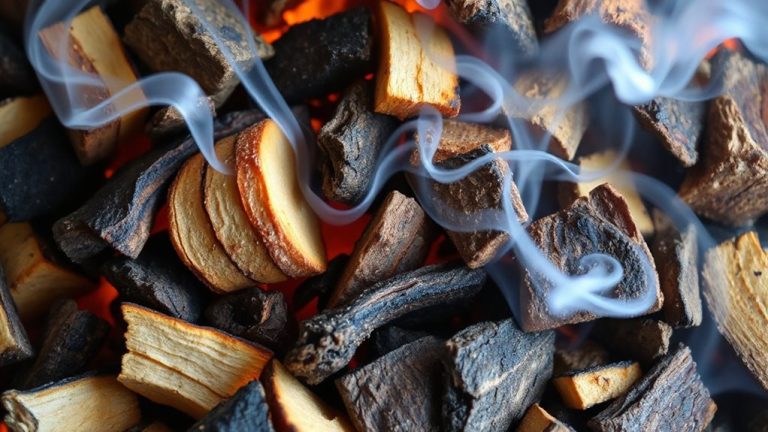
Three primary types of charcoal dominate the market-lump charcoal, briquettes, and hardwood lump-and your choice directly impacts searing performance. Among charcoal types, lump charcoal burns hotter and faster, ideal for quick, intense heat needed to form a restaurant-quality crust. It lights easily and responds well to airflow adjustments, giving you precise control. Briquettes, while consistent, often contain fillers that reduce heat retention and can impart unwanted flavors. Hardwood lump, made purely from charred logs, delivers superior heat retention and a clean burn, enhancing both temperature stability and smoke quality. You’ll notice it sustains high temps longer, essential for even searing without constant refueling. Though pricier, its performance justifies the cost for serious grillers. For maximum heat and reliability, hardwood lump stands out. Choose wisely-your crust depends on it.
On a final note
You’ve got the tools to build better crusts now. Direct flame from quality lump charcoal delivers intense, even heat, ideal for Maillard-driven searing. A proper two-zone setup gives control, while dry meat and solid seasoning guarantee browning, not steaming. Avoid flare-ups and overcrowding-common missteps that sabotage results. With practice, your grill matches restaurant performance, combining smoke, crust, and juiciness. It’s not just grilling; it’s technique-driven outdoor cooking at its best.