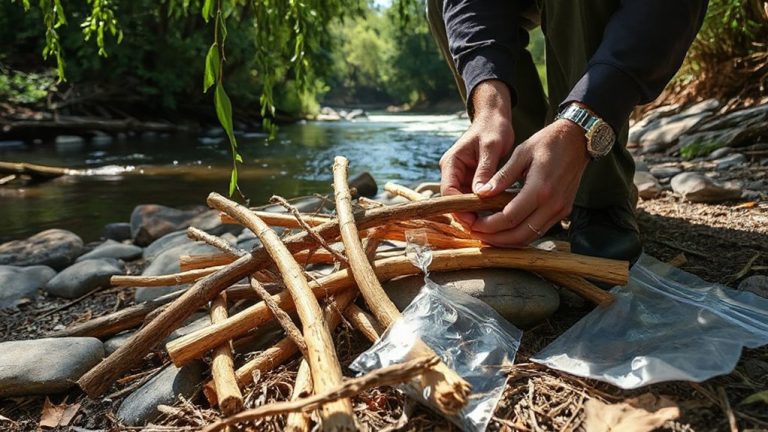
Drying Green Wood Prior to Firing to Maximize Thermal Efficiency
You’ll get more heat and cleaner burns by drying green wood first-wet wood wastes energy boiling off moisture instead of producing warmth. At 60% moisture, green wood delivers only 3,200 BTUs, while dry wood at 10% yields 8,000. Air-drying over months is cheap and effective; kiln-drying works faster but costs more. Dry wood ignites easier, burns hotter, and reduces creosote buildup. You can test dryness by checking for end cracks, a hollow sound when tapped, or light weight-signs you’re ready for efficient fires. Find out how to season your wood properly and boost performance.
Notable Insights
- Split green wood to increase surface area and accelerate moisture evaporation for faster, more efficient drying.
- Stack wood on raised racks with space between logs to maximize airflow and prevent ground moisture absorption.
- Position logs bark-side down and in sunny, breezy locations to enhance drying while minimizing rain exposure.
- Allow six months to two years for air-drying, which is cost-effective and environmentally friendly with high efficiency.
- Test dryness by checking for end cracks, light weight, hollow sound when tapped, and clean blue-gray smoke when burned.
Why Green Wood Is Less Efficient Than Dry Wood
Moisture content is the real issue when you’re burning green wood. You’re not just trying to ignite wood-you’re boiling off water first, which drains energy and delays flame build-up. That’s where wet combustion starts, producing more smoke and less heat. Your fire struggles because the high moisture disrupts consistent burn patterns, leading to inefficient ignition. Instead of a steady flame, you get sputtering, steam, and frustration. Dry wood, by comparison, catches quickly and delivers higher BTUs. When you cook outdoors, timing and temperature control matter. Green wood undermines both. You’ll likely add more wood to compensate, increasing fuel use and pollution. For BBQ enthusiasts, this means longer prep times, uneven cooking, and sooty flavors. Seasoned wood isn’t just better-it’s essential for reliable performance. Skip the shortcuts; proper drying transforms raw material into efficient fuel. The science is clear: less moisture means better combustion, cleaner burns, and tastier results.
How Moisture Reduces Fire Safety and Efficiency
Every extra percentage point of moisture in your firewood chips away at both safety and performance, and you’ll feel the difference the moment you strike a match. Wet wood sizzles instead of snaps, increases smoke output, and forces your fire to work harder to burn, which raises the fire risk from creosote buildup and unpredictable flare-ups. You’re not just wasting energy-you’re creating hazards. Here’s how moisture impacts your burn:
| Moisture Content | Heat Output (BTU) | Smoke Output |
|---|---|---|
| 10% (Dry) | 8,000 | Low |
| 20% | 6,500 | Moderate |
| 40% | 5,000 | High |
| 60% (Green) | 3,200 | Very High |
High smoke output isn’t just annoying-it signals incomplete combustion and reduced control. That means less predictable cooking temperatures and greater fire risk. For efficient, safe fires, dry wood isn’t optional-it’s essential.
Air-Drying vs Kiln-Drying: Which Is Right for You?
So, how do you turn freshly cut, sap-rich logs into reliable fuel for your next cookout? You’ve got two main options: air-drying or kiln-drying. Air-drying relies on natural airflow and time-typically six months to two years-making it low-cost and energy-efficient. It has a minimal environmental impact since it uses no electricity or fossil fuels. Kiln-drying, on the other hand, speeds up drying to days using heated chambers. While effective, it drives up costs and carbon emissions. For most home users, the cost comparison tips in favor of air-drying, especially if you can plan ahead. Kilns make sense for commercial suppliers needing quick turnover. Though kiln-dried wood burns hotter sooner, air-dried wood, when properly seasoned, delivers nearly identical performance. For sustainable, budget-friendly fuel that supports cleaner burns, air-drying usually wins.
How to Air-Dry Firewood at Home
While freshly cut wood might look ready for your backyard fire pit, it’s actually packed with moisture that’ll make your next BBQ a smoky struggle. To maximize thermal efficiency, you need to air-dry it properly. Start by splitting the wood into smaller pieces-this speeds up drying by increasing surface area. Then focus on proper wood stacking: elevate the pile on a rack or pallets to prevent ground moisture absorption, and space logs to allow airflow. Stack them bark-side down so rain can run off. Choose a sunny, breezy spot, ideally with some cover to shield from rain. The season length for air-drying typically ranges from six months to two years, depending on wood type and climate. Hardwoods like oak take longer, but once seasoned, they burn hotter and cleaner. Patience here pays off-well-dried wood means less smoke and more heat for your outdoor cooking. For optimal results, choose best fire pit wood based on heat output and burn time.
How to Test If Your Wood Is Dry Enough to Burn?
If you’re aiming for a clean, efficient burn in your fire pit or smoker, it’s essential to know whether your wood has dried sufficiently, since burning wet wood not only produces excess smoke but also reduces heat output and can damage your equipment over time. A key sign of dry wood is visible wood cracking at the ends-those radial splits mean moisture has escaped. Dry logs also feel lighter and make a hollow sound when tapped together. When you do burn it, watch the smoke color: thick, white smoke signals remaining moisture, while thin, blue-gray smoke indicates efficient combustion. These observations matter because consistently dry wood guarantees stable temperatures and cleaner burns, critical for successful outdoor cooking. Relying on seasoning time alone isn’t enough-actual testing confirms readiness. Using under-dried wood risks poor performance, so always verify with these practical checks before firing up.
Get More Heat and Less Creosote With Dry Wood
Since
On a final note
You’ll get better results when you burn dry wood because green wood wastes energy boiling off moisture. Dry wood ignites faster, burns hotter, and produces less creosote, which means safer chimney operation and fewer cleaning headaches. Air-drying takes time-typically six months to a year-but it’s cost-effective and practical for most homeowners. Kiln-drying works faster but costs more. Either way, moisture content below 20% guarantees maximum efficiency, cleaner burns, and more consistent heat for cooking or heating.