Flame Color & Smoke Guide: Is Your Wood Burning Efficiently?
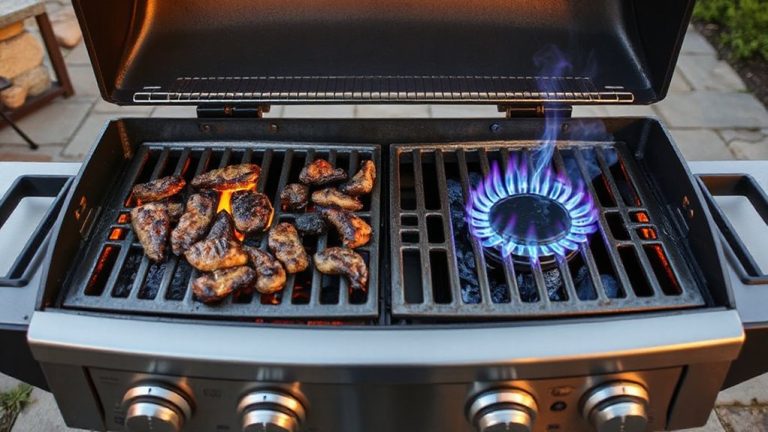
Your flame’s color and smoke thickness tell you whether your wood is burning efficiently. Blue flames mean complete combustion, high heat, and clean burns, ideal for searing. Yellow or orange flames with thick smoke signal incomplete burning, often from wet wood or poor airflow. Thin, wispy smoke is good; dense plumes waste fuel and risk creosote. For better performance, use seasoned hardwood and maximize draft. Adjust air intake and stack wood loosely-you’ll see clearer results fast.
Notable Insights
- Blue flames indicate complete combustion, reaching temperatures over 1,400°C for efficient, high-heat burning.
- Yellow or orange flames suggest incomplete combustion due to moisture or insufficient airflow, reducing heat efficiency.
- Thick, billowing smoke signals poor combustion, wasting fuel and increasing creosote and fire hazards.
- Wet wood lowers flame temperature by consuming energy to evaporate moisture, hindering sustained ignition.
- Proper airflow and seasoned hardwoods promote clean burns, shown by thin smoke and stable blue flames.
What Your Flame Color Says About Your Fire
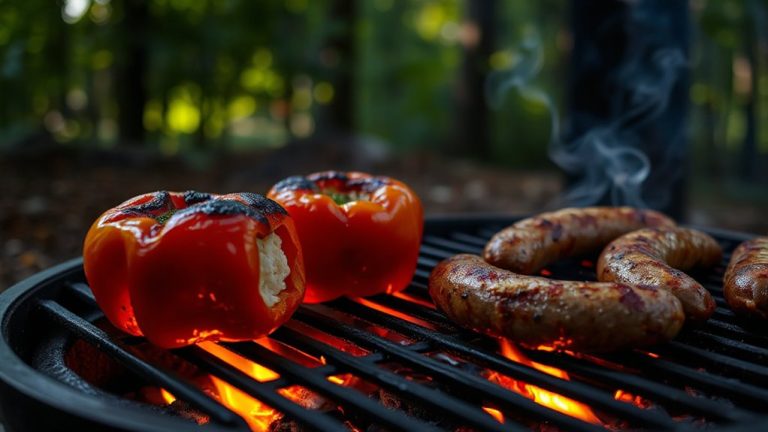
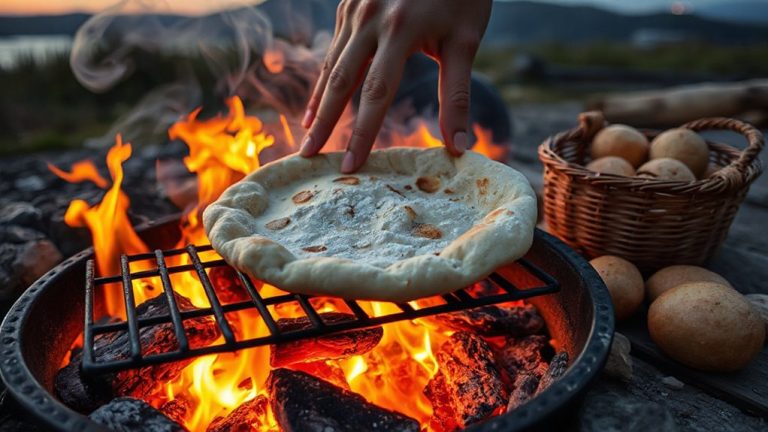
A flicker of blue at the heart of your fire? That’s your cue it’s burning hot and clean. Blue flames signal complete combustion, driven by ideal flame chemistry and high heat intensity. You’re looking at temperatures exceeding 1,400°C, where volatile gases ignite efficiently. In outdoor cooking, this means quick searing and minimal soot-ideal for grills or pizza ovens. Yellow or orange flames? They’re cooler, often indicating incomplete burning due to moisture or poor airflow. While they work for slow roasting, they lack the precision of blue-rich fires. Flame color isn’t just visual-it’s functional feedback. Skilled pitmasters watch these cues closely, adjusting fuel and airflow to sustain ideal conditions. Maintaining clean, blue-tinged flames guarantees better fuel efficiency, consistent heat, and cleaner-tasting food. Monitor your fire’s hue: it’s a direct readout of combustion performance. When blue dominates, you know you’ve nailed both temperature and flame chemistry.
What Thick Smoke Means for Your Fire
When thick, billowing smoke rises from your fire, it’s usually a sign something’s off with your burn. You’re likely dealing with incomplete combustion, which not only reduces heat retention but also raises concerns about fire safety. That dense smoke means unburned particles are escaping, wasting fuel and creating creosote buildup in chimneys or grills-especially risky in enclosed or semi-enclosed setups. For outdoor cooking, this inefficiency leads to uneven temperatures and potential flavor contamination. Thick smoke often signals poor conditions, even if not caused by wet wood or airflow issues. Maintaining cleaner burns guarantees better control, higher usable heat, and safer operation. You’ll get more consistent results on the grill or in the pit when combustion is efficient. Monitoring smoke thickness helps you adjust in real time, improving both performance and safety. Keep it lean, clean, and hot-your cooking and surroundings depend on it. Choosing the right type of wood, such as best smoking wood, can significantly improve combustion efficiency and flavor quality.
How Wet Wood and Poor Airflow Create Smoky Flames
Moisture in your firewood or restricted airflow doesn’t just make the flames sputter-it directly sabotages combustion efficiency, leading to the thick, choking smoke you’ve probably noticed clouding your cook. When you burn wet wood, the water inside must evaporate before the wood can ignite, wasting energy and lowering flame temperature. This incomplete burn produces more particulates and creosote. Even your fuel type matters-dense hardwoods with high wood density generate more sustained heat but only when properly seasoned. If you’re using green or damp logs, you’re fundamentally steaming rather than burning them. Poor airflow compounds the issue by starving the fire of oxygen, further reducing combustion efficiency. You’ll see lazy, smoldering flames instead of bright, active ones. Choosing dry wood and ensuring proper ventilation aren’t just best practices-they’re essential for cleaner smoke and better control over your cooking environment.
How to Adjust Your Fire for Cleaner, Hotter Burning
Though you can’t change the wood you’ve already stacked, you can control how you build and manage your fire to achieve cleaner, hotter burns. Your fuel type and chimney height considerably impact combustion. Hardwoods like oak or maple burn longer and hotter than softwoods, making them ideal for consistent heat. A taller chimney enhances draft, pulling in more air for efficient combustion. Adjust airflow early-open dampers fully at first, then partially close once the fire is established. Stack wood loosely to promote oxygen flow. Below are key variables for optimizing burn quality:
| Factor | Ideal Setting | Effect on Combustion |
|---|---|---|
| Fuel type | Seasoned hardwood | Higher heat, less smoke |
| Chimney height | 15+ feet | Stronger draft, cleaner burn |
| Air intake | Fully open initially | Faster ignition, hotter flame |
| Wood arrangement | Upside-down or top-down | Controlled, sustained burn |
| Moisture content | Below 20% | Reduced smoke, better efficiency |
Turkey hunting pellets are designed for high impact and precision, making pellet selection crucial for effective game targeting.
Use Flame and Smoke to Burn Wood More Efficiently
If you’ve ever stared into a flickering fire, you’ve got a real-time feedback system for how well your wood is burning-just learn to read it. Bright yellow flames usually mean incomplete combustion, often due to moisture or poor airflow, while steady blue-orange tones signal high flame temperature and efficient burning. Thick smoke? That’s wasted energy and potential creosote buildup. Thin, wispy smoke means you’re winning. Denser woods like hickory or oak have greater wood density, so they burn slower and hotter, ideal for maintaining consistent heat in smokers or grills. Lighter woods, like pine, ignite fast but fizzle out quickly, making temperature control harder. You’re not just cooking-you’re managing combustion. Adjust airflow, use dry seasoned wood, and match the wood type to your cooking time. Reading flame and smoke isn’t guesswork; it’s practical mastery that boosts efficiency, flavor, and safety every time you fire up. For best results, pair your wood with high-quality best charcoal for smoking to ensure a clean, consistent burn.
On a final note
You can tell a lot about your fire’s efficiency just by watching it. Clean, blue-tinged flames mean good combustion; yellow or orange ones suggest incomplete burning. Thick, white smoke signals wet wood or poor airflow-both waste fuel and increase creosote buildup. For better performance, use seasoned wood and adjust airflow to sustain a hot, steady burn. Monitoring flame color and smoke thickness helps you cook more efficiently, with better heat control and fewer emissions.