How Dense Hardwoods Create Longer-Burning, Cleaner Smoke for Extended Cooks
Dense hardwoods like oak and hickory burn slower because their compact fibers resist rapid combustion, giving you steady heat for long cooks. Their tight grain improves airflow and reduces soot, creating clean, thin blue smoke. Low moisture and minimal resin prevent bitter flavors, especially when properly seasoned. These woods deliver consistent, rich smoke ideal for brisket or ribs. You’ll see how smart wood pairing and placement can elevate your results even further.
Notable Insights
- Dense hardwoods burn slowly due to compact fibers that resist rapid combustion.
- Tight grain structures minimize splitting and support consistent, long-lasting burns.
- Low wood porosity regulates oxygen flow, promoting even smoldering and steady heat.
- Properly seasoned hardwoods reduce moisture and resin, preventing bitter, acrid smoke.
- Dense woods like oak and hickory produce clean, flavorful smoke ideal for extended cooking.
Why Dense Wood Burns Slower and Smokes Cleaner
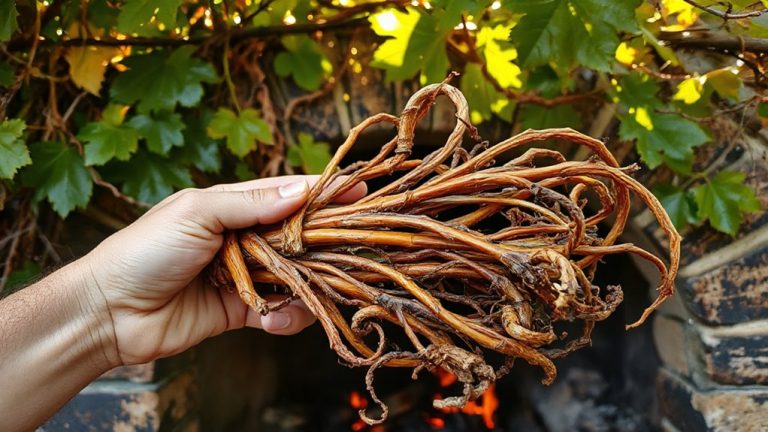
Every hardwood isn’t created equal when it comes to smoking meat, and that’s especially true when density’s in the mix. You’ll notice denser woods burn slower because their compact fibers resist rapid combustion, making them ideal for long cooks. The tight wood grain structure minimizes splitting and warping, ensuring more consistent breakdown over time. That same density improves airflow efficiency-tight, predictable channels allow oxygen to move steadily through the pile, promoting even smoldering rather than flare-ups. You’re not just getting longer burn times; you’re getting cleaner smoke, with fewer impurities and less soot. Soft or porous woods, by contrast, often ignite too quickly and create turbulent airflow, leading to inconsistent temperatures. When you choose a dense hardwood like hickory or oak, you’re optimizing for control, stability, and purity in your smoke profile-critical factors when you’re aiming for precision in outdoor cooking. For best results, select wood chips from species known for their density and consistency, such as those highlighted in top-rated best wood chips for smoking reviews.
How Wood Density Controls Smoke Flavor and Heat
Smoke flavor and heat output aren’t left to chance-they hinge directly on wood density, which governs how thoroughly lignin and cellulose break down during combustion. Denser hardwoods burn hotter and longer because their tight grain structure slows fuel consumption, boosting combustion efficiency. You’ll notice cleaner smoke with a richer, more consistent flavor-think smoky sweetness without acrid bite. Lower wood porosity in dense species means less oxygen moves freely through the logs, promoting even burn rates and stable temperatures over hours. That’s ideal when you’re managing extended cooks where flavor depth matters. Softwoods, with higher porosity and lower density, combust too quickly, yielding uneven heat and harsh smoke. Choosing dense hardwoods like hickory or oak gives you control, predictable performance, and superior results. It’s not just tradition-it’s science-backed efficiency that elevates your barbecue. For best results, select wood from a curated list of top smoking wood picks that balance density and flavor profile for optimal smoke performance.
Prevent Bitter Smoke: Moisture, Resin, and Burn Tips
You’ve already seen how density shapes burn efficiency and smoke quality, but even the best hardwood can turn harsh if moisture and resin aren’t managed right. High wood moisture leads to incomplete combustion, producing thick, acrid smoke that imparts bitterness. Aim for 15–20% moisture content-any higher, and you’ll fight soot and off-flavors. Resin content matters too; softwoods like pine burn hot and fast, flooding your meat with black smoke and sticky creosote. Even some hardwoods, like elm or green hickory, carry excess resin that overwhelms subtle flavors. Season your wood properly-split, stacked, and air-dried for at least six months-to reduce both moisture and unstable resins. Maintain a clean, hot fire: smoldering coals increase bitter compounds. Control airflow, avoid overloading, and prioritize steady smoke over heavy billows for clean, flavorful results. For reliable performance and consistent heat, consider choosing best charcoal deals that feature high-density hardwoods with low moisture content.
Top 5 Dense Hardwoods for Smoking
When it comes to long, steady smoke with rich flavor and minimal ash, dense hardwoods set the standard-and a few stand out above the rest. You’ll want hickory first-its wood origin in Central U.S. forests gives it a bold, smoky punch ideal for beef and pork. Oak, especially from Eastern hardwood stands, burns evenly and subtly, making it a versatile staple. Mesquite, sourced from arid Southwest regions, delivers intense heat and flavor-best used in moderation. Pecan, a southern favorite, offers a sweeter, milder profile perfect for poultry. Finally, maple, often harvested in the Northeast, imparts a delicate, slightly sweet smoke great for lighter meats. No matter the type, proper storage methods matter-keep your wood seasoned, elevated, and covered to prevent moisture absorption. That way, you guarantee clean combustion and consistent smoke output every cook.
Best Wood Pairings for Ribs, Brisket, and More
Wood selection can make or break the depth and balance of your barbecue, especially when tackling signature cuts like ribs, brisket, and chicken. The right wood grain influences burn rate and smoke infusion, ensuring clean, consistent flavor over hours. Too strong, and you’ll overpower the meat; too mild, and the nuance fades. Pairing dense hardwoods with the right meat maximizes aroma and tenderness. Here’s what works best:
| Meat | Wood Pairing |
|---|---|
| Ribs | Cherry & Hickory |
| Brisket | Post Oak & Mesquite |
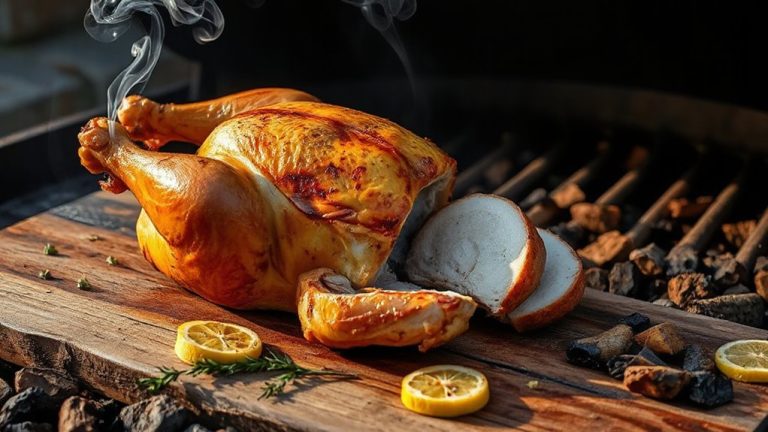
| Chicken | Apple & Pecan |
| Pulled Pork | Maple & Oak |
Cherry adds sweetness to ribs, while hickory’s bold smoke infusion enhances brisket. Post oak’s tight wood grain delivers slow, even smoke-ideal for long cooks. Apple and pecan bring a delicate balance to poultry, and maple rounds out pork with subtle earthiness. Choose wisely, and your smoke infusion will elevate every bite.
How to Load Hardwood for Steady Smoke Over 12+ Hours
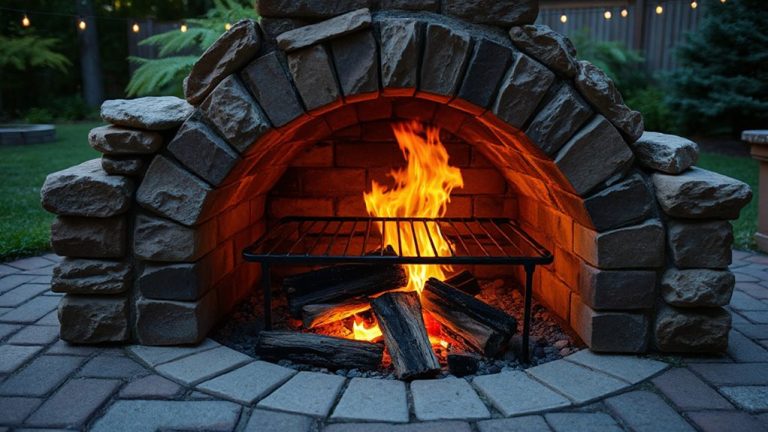
Though achieving consistent smoke over long cooks demands more than just quality wood, how you load your hardwood directly influences temperature stability and flavor development throughout a 12-hour-plus session. Start with dense, dry hardwoods-your wood selection is critical, as species like oak, hickory, or mesquite burn longer and cleaner than softer options. Load them in a pyramid or column formation, allowing space between chunks to support airflow management. Restricted airflow leads to smoldering and creosote; too much, and your wood burns too fast. Position thicker pieces toward the center, where heat concentrates, letting them sustain the fire’s core. Add wood incrementally, monitoring temperature and smoke color-thin, blue smoke is ideal. Avoid overpacking, which suffocates the fire. Proper loading balances fuel supply with oxygen flow, ensuring steady combustion. With smart stacking and attentive airflow management, you’ll maintain clean smoke and even heat well past the 12-hour mark.
On a final note
You’ll find dense hardwoods deliver superior results for long smokes, offering steady heat and clean, flavorful smoke when properly seasoned. Their tight grain burns slower, reducing flare-ups and minimizing bitter compounds caused by excess moisture or resin. Opting for oak, hickory, or maple means better temperature control and richer flavor development, especially for brisket or ribs. With correct airflow and consistent fuel loading, these woods maintain equilibrium, making them not just practical, but essential for serious barbecue.