How to Smoke Turkey Legs in an Open Pit for Game Day Feasts
Pick plump, fresh turkey legs and brine them for 12–24 hours to lock in moisture and flavor. Season well with a paprika-based rub and pat dry for better adhesion. Build a steady open pit fire using hardwoods like hickory or apple, maintaining 225°F–250°F with thin, blue smoke for clean flavor. Smoke until the internal temperature hits 175°F–180°F for tender, juicy meat. You’ll find the full breakdown of timing, wood pairings, and serving tips just ahead.
Notable Insights
- Choose plump, fresh turkey legs and brine them for 12–24 hours to ensure moisture and flavor.
- Apply a generous spice rub after drying the legs to form a juicy, flavorful crust during smoking.
- Build a stable open pit fire with hardwoods like hickory or oak for consistent heat and clean smoke.
- Maintain 225°F–250°F and add wood gradually, aiming for thin blue smoke to evenly cook the legs.
- Cook until internal temperature reaches 175°F–180°F for tender, fall-off-the-bone texture and serve with bold side dishes.
Choose the Right Turkey Legs for Smoking
You’ll want to pick turkey legs that are meaty but not overly large, since size can affect how evenly they cook on the smoker. Look for plump, fresh legs with a good ratio of meat to bone-these hold up best during long smokes. Avoid ones that seem too lean or pale, as they may dry out. Proper brining techniques make a noticeable difference; a wet brine with salt, sugar, and seasonings adds moisture and enhances texture, especially for larger legs. Consider the wood pairing options early-hickory and pecan deliver rich, robust flavor without overpowering the meat. Apple or cherry wood offers a milder, slightly sweet smoke, ideal if you plan to glaze later. Each wood type alters the final taste profile, so match it to your seasoning strategy. Choosing the right leg sets the foundation-combine it with smart brining and thoughtful wood selection, and you’re on track for a game day favorite that’s smoky, tender, and full of flavor.
Season Smoked Turkey Legs for Flavor and Juiciness
After selecting well-proportioned turkey legs and planning your brine and wood combination, the next step is building a robust flavor foundation through proper seasoning. Your brine preparation isn’t just about moisture-it’s a vital step for tender, juicy meat and improved texture. A wet brine with salt, sugar, and aromatics allows deep flavor penetration over 12–24 hours. Once brined, pat the legs dry so your spice rub adheres well. Apply a balanced rub with paprika, garlic powder, black pepper, and a touch of cayenne for complexity and mild heat. Generously coat every surface, pressing the rub in to guarantee adhesion and even flavor development. The spice rub doesn’t just add taste-it forms a savory crust that seals in juices during smoking. Taken together, strategic brine preparation and a thoughtfully applied spice rub make the difference between bland fare and a deeply seasoned, succulent centerpiece. For beginners, using a best beginner offset smoker can simplify temperature control and smoke management for consistent results.
Set Up and Tend Your Open Pit Fire
How do you guarantee steady heat and clean smoke when using an open pit? Start by building your fire in a designated fire ring or pit lined with heat-resistant stones to guarantee fire safety. Use dry hardwoods like hickory or oak-they ignite reliably and produce clean smoke without excessive soot. Arrange logs with enough airflow, using a top-down or lean-to method for gradual, predictable burns. Monitor ember control closely; scatter or douse rogue embers immediately to prevent flare-ups. Keep a bucket of water or sand nearby for quick suppression and emergency response. Avoid accelerants-they create unstable flames and inconsistent heat. Tending the fire means regular observation, not constant adjustment. You’ll need to remove ash buildup and reposition logs as they burn down. Proper setup and vigilant maintenance prevent hazards while maximizing efficiency for cooking. For optimal results, consider using a bushcraft-recommended campfire style that enhances airflow and heat retention.
Keep Heat and Smoke Steady for Even Cooking
Though maintaining consistent heat and smoke may seem challenging, it’s entirely achievable with careful fire management and attention to airflow. You’ll need to monitor your coals closely, adding seasoned wood chunks as needed to sustain a steady temperature between 225°F and 250°F. Proper fire management guarantees the heat remains even, preventing hot spots that can lead to uneven cooking. At the same time, controlling airflow through your pit’s vents helps regulate combustion and smoke density. Too much smoke can overwhelm the meat, while too little won’t impart that rich, smoky flavor you’re after. Aim for thin, blue smoke rather than thick, white plumes-this indicates clean, efficient burning. Consistency here directly affects flavor development and texture, so resist the urge to constantly adjust the fire. With practice, you’ll learn how fuel placement and airflow tweaks maintain ideal conditions for deeply flavored, evenly cooked turkey legs. Using a well-designed charcoal grill smoker can make maintaining these conditions significantly easier, especially for beginners.
Check Smoked Turkey Legs for Doneness
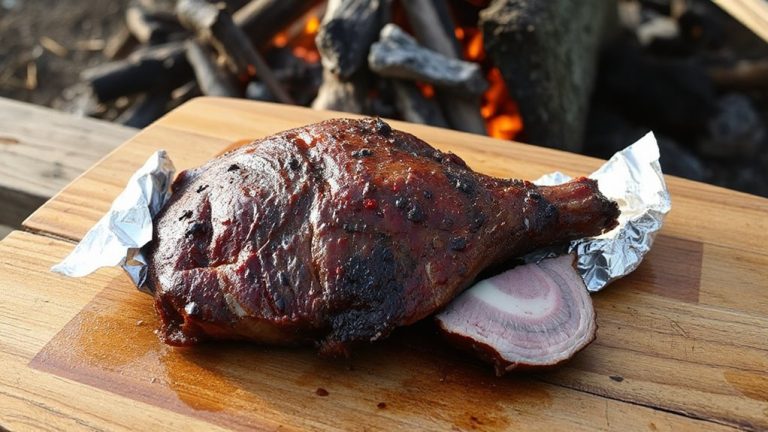
A well-smoked turkey leg isn’t just about color or cooking time-it’s about reaching the right internal temperature and texture that signals perfect doneness. You should always check the internal temperature with a reliable meat thermometer; aim for at least 165°F at the thickest part of the leg, away from the bone. That’s the safe zone, but for truly tender, fall-off-the-bone meat, pushing to 175–180°F works best. Don’t rely on guesswork-temperature doesn’t lie. At the same time, pair that reading with a quick visual inspection: the skin should be deep mahogany, slightly crisp, and pulling away from the bone. If the juices run clear and the meat shreds easily with a fork, you’re there. Trust both data and observation-temperature and visual inspection together give you the full picture. That’s how you nail smoked turkey legs every time.
Serve With Complementary Game Day Sides
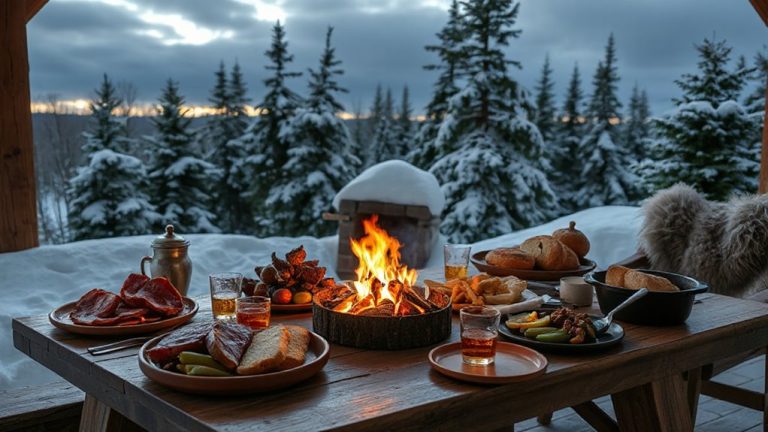
What turns a great batch of smoked turkey legs into a complete game day spread? Pairing them with complementary sides that balance texture and flavor. Crisp salads cut through the richness of the smoky meat, offering an invigorating contrast-think chopped romaine with tangy vinaigrette or a creamy apple-fennel slaw. Hearty dips like pimento cheese or smoked onion spread add depth and work well with sturdy chips or pretzels. These aren’t just fillers; they elevate the entire experience. You want variety: something cool, something creamy, something crunchy. Skip overly sweet or heavy sides-they’ll dull the smoke notes. Stick to bold, balanced flavors that stand up to the turkey’s intensity. Well-chosen accompaniments turn a simple pit cook into a real feast. Your guests won’t just notice the turkey legs-they’ll appreciate how everything works together. That’s how you win game day at the grill.
On a final note
You’ve picked quality turkey legs, seasoned them well, and maintained a steady fire-now you’re set. Smoking over an open pit delivers rich flavor and tender meat when heat and smoke are controlled. This method rewards patience and attention, outperforming quicker techniques in depth of taste. For game day, these smoky legs pair perfectly with hearty sides, satisfying crowds. With practice, pit-smoking becomes both reliable and impressive, a worthwhile skill for any outdoor cook.