Using Green Wood Strategically to Cool a Fire Without Smothering It
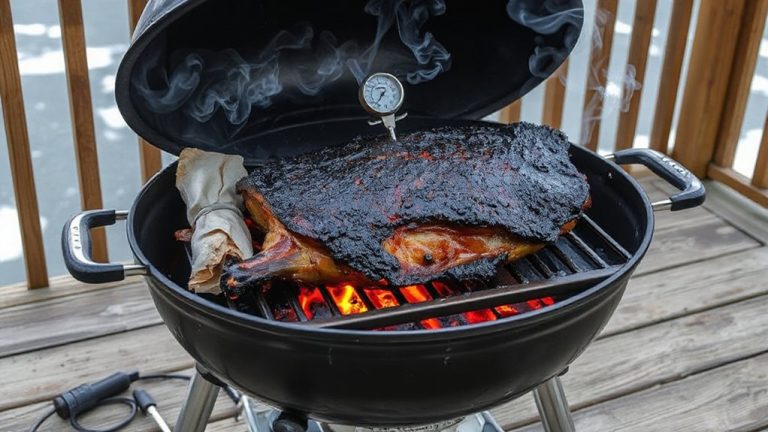
You can use green wood to cool a hot fire by placing split logs like green oak or hickory on the fire’s edge, where moisture absorbs heat and steams off without smothering flames. It reduces flare-ups better than water, which kills coals, or dirt, which chokes airflow. The steam release tempers heat gradually while sustaining embers-ideal for long cooks. Just avoid overloading the fire, and you’ll keep control without losing momentum. There’s more to mastering this balance just ahead.
Notable Insights
- Green wood cools fires by absorbing heat to evaporate moisture, reducing flames without killing embers.
- Place green logs on the fire’s edges to control intensity while maintaining core heat.
- Use split, small pieces of green wood to avoid smothering and ensure gradual cooling.
- Choose high-moisture woods like green oak or hickory for steady, predictable heat reduction.
- Avoid overloading the fire; add green wood gradually to prevent flare-ups and creosote buildup.
Why Green Wood Cools a Hot Fire
While it might seem counterintuitive, tossing a green log on a blazing fire actually does more to dampen the heat than sustain it. You’re not feeding the flames-you’re triggering heat absorption as the moisture within the wood turns to steam, drawing energy from the surrounding fire. This process causes noticeable flame reduction, lowering the fire’s intensity without choking it entirely. Unlike dry seasoned wood, green wood doesn’t combust efficiently, making it unsuitable for maintaining high heat. But in controlled situations-like tempering a too-hot grill for delicate foods-this trait is useful. You gain precise control, avoiding flare-ups while slowing cooking. It’s not ideal for long burns, but as a temporary moderator, green wood acts like a natural heat sink. Use it sparingly, though, as excessive moisture leads to smoke and soot. When handled thoughtfully, it’s a practical tool, not a fuel source.
How Green Wood’s Moisture Slows Burning
Since green wood holds a significant amount of moisture-often between 30% and 50% when freshly cut-it doesn’t ignite the way seasoned wood does, and you’ll notice the fire has to work harder just to get through the surface. That high moisture content absorbs heat as it turns to steam, effectively cooling the fire instead of feeding it. You’ll see this slow the combustion rate, meaning the wood burns cooler and less unpredictably. This isn’t ideal if you’re after a hot, fast flame, but it can help temper an overly aggressive fire. The sap content in green wood also contributes to erratic burning, sometimes causing pops or spurts of flame. While this lack of consistency makes green wood poor for steady heat, its dampness gives you leverage when you need to reduce intensity without killing the fire. It’s not about fueling progress-it’s about strategic control, letting you fine-tune the burn when precision matters more than power. For best results when managing fire intensity, consider pairing green wood with best fire pit wood picks to balance control and efficiency.
When to Use Green Wood Instead of Water or Dirt?
Why reach for green wood when you could just toss on dirt or douse flames with water? Because sometimes, you need to reduce fire intensity without killing the heat entirely. Water can cool too aggressively, turning embers to ash and ending your cook too soon. Dirt risks smothering your fire and contaminating your pit. Green wood, though, releases steam slowly, lowering flames while maintaining ember preservation-ideal when you’re managing a long barbecue session. You’re not extinguishing; you’re regulating. This makes green wood a precise tool, especially when flare-ups threaten to char your meat. It’s not a fix for every situation, but when control matters more than quick action, green wood offers a balanced response. You keep the core heat alive, steady, and ready for the next phase of cooking, making it a smarter tactical choice over blunt methods. For those refining their barbecue technique, selecting the right best prime rib rubs can further enhance flavor control during extended cooks.
Best Types of Wet Wood for Fire Control
A few well-chosen types of wet wood can make all the difference when you’re fine-tuning a live fire for slow cooking. Smart wood selection helps regulate heat without killing the flame. The key is balancing moisture content-too much and the wood steams; too little and it burns too fast. Green hardwoods are best, as they resist immediate combustion and release steady steam. Here’s a quick guide:
| Wood Type | Moisture Content |
|---|---|
| Green Oak | 35–45% |
| Green Hickory | 30–40% |
| Green Mesquite | 25–35% |
| Green Apple | 30–38% |
| Green Cherry | 28–36% |
These woods cool fires effectively while adding subtle flavor. Oak and hickory are tops for stability and smoke output. Mesquite runs hotter but demands attention. Fruitwoods like apple and cherry offer mild control with aromatic perks. Always prioritize consistent moisture content to avoid flare-ups or cooling too much. Your fire stays alive, controlled, and ready for long cooks.
Where to Place Green Logs for Cooling
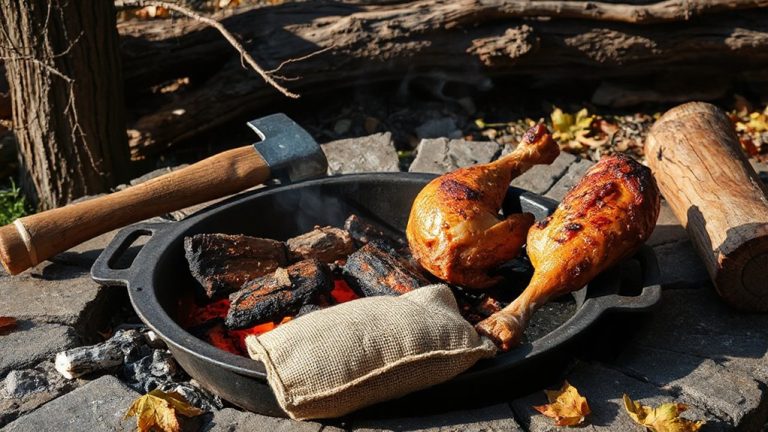
You’ve picked the right wet hardwood-oak, hickory, or maybe a fruitwood like apple-with moisture levels in the sweet spot to slow your burn without choking the fire. Now, fire placement matters: set green logs toward the outer edges of the stack, not dead center. This keeps the core hot while the damp wood steams and cools the perimeter, moderating radiant heat. Log positioning should allow airflow-nestle them parallel to glowing coals, leaving gaps for oxygen to circulate. Too close, and you risk smothering; too far, and they won’t influence temperature. Think of them as heat sponges, not fuel sources. For BBQ, this method gives you more control, especially during long cooks. The gradual steam release also adds subtle flavor, without overwhelming the meat. Proper positioning balances cooling and combustion, letting you maintain a stable, workable fire longer. It’s not just about where you place logs-it’s how they interact with heat dynamics.
Add Green Wood Without Killing the Fire
Though adding green wood demands caution, doing it right means you can cool the fire without snuffing out the burn you need for steady cooking. You’re aiming for fire balance-enough moisture to temper the heat, but not so much that flames drown. Place green logs on the upwind side, where airflow helps steam escape without smothering coals. This method supports precise heat management, especially useful when searing meats or maintaining a consistent smoke profile. Don’t dump large quantities at once; instead, add small, split pieces gradually. You’ll notice the flames dip briefly, then rebound as surface moisture burns off. Hardwoods like hickory or oak work best-they resist collapse under heat and release vapor more evenly. With practice, you’ll read the fire’s response, adjusting to maintain output without losing momentum. It’s not just about temperature reduction; it’s control. Smart green wood use refines your ability to manage long burns efficiently.
Stop These Green Wood Mistakes
Getting the balance right with green wood means more than just tossing logs on the fire-it demands attention to detail. You might think any log will do, but improper green wood storage leads to excess moisture, uneven burning, and frustrating smoke surges. Storing it directly on damp ground or without cover invites mold and prolongs drying, which compromises performance. When green wood hasn’t been managed properly, it introduces serious fire safety risks, like creosote buildup in chimneys or flare-ups that escape containment. You’re better off seasoning wood for at least six months before heavy use. If using green wood to cool a fire, do it sparingly and with precise placement-never dump it haphazardly. Monitor airflow closely, as restricted oxygen can smother coals instead of tempering them. Smart storage and cautious application guarantee control, flavor, and safety in your outdoor cooking.
On a final note
You can effectively use green wood to moderate a fire’s intensity without snuffing it out. Its high moisture content cools flames gradually, unlike water or dirt, which may douse the heat entirely. Strategically place seasoned wet logs toward the fire’s edge to absorb excess heat while maintaining combustion. Hardwoods like maple or birch work best, offering controlled steam without sudden flare-ups. Avoid overloading the fire-balance green with dry wood. Proper placement and timing make green wood a practical tool for fine-tuning cooking temperatures in outdoor grilling, ensuring steady, manageable heat for better results.